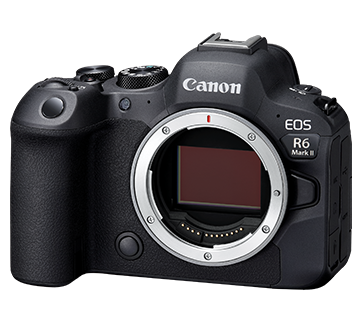
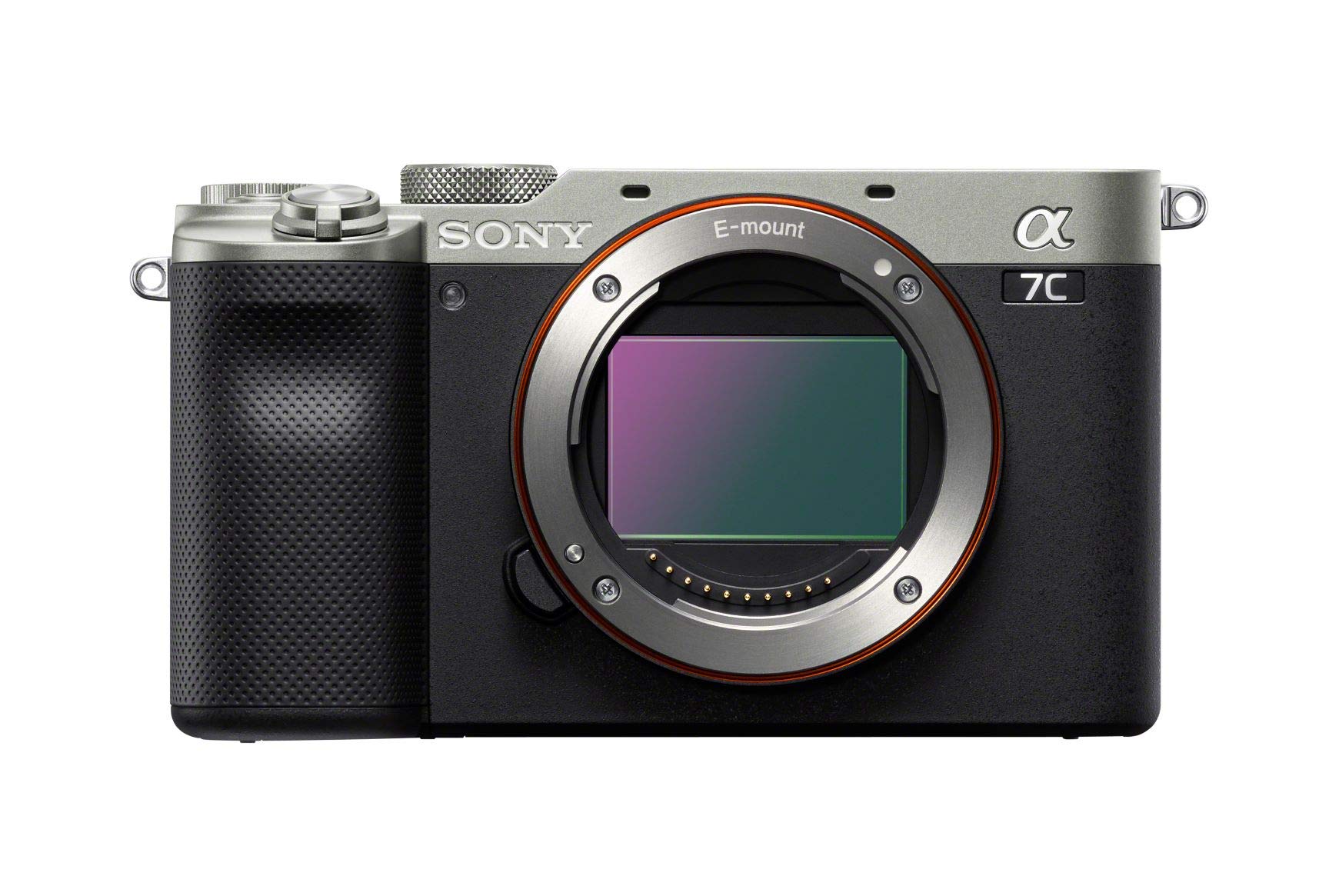
The Canon EOS R6 Mark II and the Sony A7C are two popular full-frame mirrorless cameras that frequently come up in discussions among enthusiasts and professionals alike, particularly those looking for versatile and high-performance options. Both models bear similar price points and target audiences, making them contenders in the competitive space for compact full-frame cameras. Buyers are often drawn to the impressive low-light capabilities, image quality, and advanced features these cameras offer for various photography styles, from landscapes to portraits and video work. However, key differentiators such as autofocus performance, video specifications, and overall ergonomics can sway decision-making between the two.
Specifications Comparison
Detailed Comparison
Image Quality
Both cameras offer a resolution of 24 megapixels, producing excellent image quality for a broad range of applications. The Canon EOS R6 Mark II comes with a full-frame sensor measuring 36 x 24 mm, while the Sony A7C has a slightly smaller sensor at 35.6 x 23.8 mm. In terms of ISO performance, the R6 Mark II has a competitive range of 100-102400, expandable to 204800, allowing for exceptional low-light shooting capabilities. Meanwhile, the A7C offers an ISO range of 100-51200, expandable to 50-204800, which also performs well in low light but may not match the superior functionality of the R6 Mark II in extreme conditions. Color rendering and dynamic range can be subjective, with many users favoring Canon's colors for more natural skin tones, while Sony is often praised for its color science in post-processing. Both cameras yield excellent results, but Canon may have a slight edge in certain lighting situations due to its broader native ISO range.
Autofocus System
The autofocus systems of these two cameras significantly differentiate them. The Canon EOS R6 Mark II boasts an impressive 4897 autofocus points, ensuring fast and accurate focusing across the frame. This system relies on Canon's Dual Pixel AF technology, which is known for tracking moving subjects effectively-especially beneficial for sports and wildlife photography. In contrast, the Sony A7C features 693 phase-detection autofocus points, which also deliver rapid and reliable focusing. However, many users cite that while the A7C's autofocus is capable, it may not match the exceptional tracking and performance of the R6 Mark II, particularly in challenging lighting scenarios or with fast-moving subjects. Thus, while both systems are advanced, the Canon's autofocus capabilities offer additional precision.
Video Capabilities
In video capabilities, the Canon EOS R6 Mark II holds a distinct advantage, offering 4K 60p video recording, which is crucial for content creators seeking high frame rates for smoother footage. Additionally, it has 8 stops of in-body stabilization, which helps reduce camera shake during handheld shooting. The Sony A7C, while supporting 4K video, is limited to 30p, which may leave some videographers wanting more in terms of frame rate options. The 5 stops of stabilization on the A7C are decent but are less effective compared to the R6 Mark II, particularly for dynamic shooting conditions like vlogging or action scenes. With the advancements in video technology, those focusing on motion work will find the R6 Mark II far more versatile.
Build & Ergonomics
When it comes to build quality and ergonomics, both cameras are durable and weather-sealed, making them suitable for outdoor photography. The Canon EOS R6 Mark II weighs in at 670g, while the Sony A7C is lighter at 509g, making it more portable for travel and daily carry. The dimensions also reflect this, with the A7C being more compact, featuring a smaller grip that may appeal to photographers who prefer a lightweight setup. Canon's design, however, is often praised for its comfortable grip, which can be advantageous during prolonged shooting sessions. Ultimately, the choice between the two can depend on user preferences regarding weight versus handling comfort.
Battery & Storage
In terms of battery life, the Sony A7C leads with approximately 740 shots per charge compared to the Canon EOS R6 Mark II, which is rated at about 580 shots. This extended battery performance might be appealing for prolonged shooting without the need to swap batteries. Additionally, both cameras support CFexpress Type B storage, but the A7C also has the flexibility with UHS-II SD cards. This can be advantageous for photographers who want high-speed data transfer and storage without transitioning to more expensive CFexpress cards. Hence, in scenarios where longer shoot times without interruption is a priority, the A7C holds a distinct advantage.
Value for Money
When considering value for money, the Sony A7C is priced at approximately $1799, which makes it a more budget-friendly option compared to the Canon EOS R6 Mark II, which typically has a higher entry price. Both cameras deliver impressive performance, but the R6 Mark II justifies its cost through advanced features tailored towards professionals who require high-quality video and an exceptional autofocus system. The trade-off is significant; while the A7C is cost-effective for amateur photographers and casual users, the R6 Mark II represents a future-proof investment for serious photographers who want to prioritize quality and performance. Thus, the perceived value varies based on individual needs and budget constraints.
Our Verdict
In conclusion, the Canon EOS R6 Mark II surpasses the Sony A7C in crucial areas such as autofocus performance, video capabilities, and overall imaging excellence, solidifying its position as the better choice for professionals and dedicated enthusiasts. However, the Sony A7C remains a fantastic option for those seeking a lightweight and more affordable full-frame camera with commendable image quality and good battery life. Ultimately, the decision hinges on the specific needs of the buyer: those who prioritize advanced features and performance will lean towards the R6 Mark II, while those valuing portability and budget-friendly choices may find the A7C to be the perfect fit.
Canon EOS R6 Mark II
Sony A7C
Also Compare
Frequently Asked Questions
Which camera is better for video recording?
The Canon EOS R6 Mark II is better for video recording due to its ability to shoot 4K at 60p with superior in-body stabilization.
How do the autofocus systems compare?
The Canon EOS R6 Mark II has 4897 autofocus points and excels in tracking moving subjects, while the Sony A7C boasts 693 points, making both capable, but Canon's is generally considered superior.
Which camera has a longer battery life?
The Sony A7C has a longer battery life rating at about 740 shots per charge compared to the Canon EOS R6 Mark II's 580 shots.
Is the Canon EOS R6 Mark II worth the extra cost?
If you require advanced video capabilities, superior autofocus, and overall enhanced performance, the investment in the Canon EOS R6 Mark II may be justified. For casual users, the lower-priced A7C could be a better fit.
What is the weight difference between the two cameras?
The Canon EOS R6 Mark II weighs 670g, while the Sony A7C is lighter at 509g, appealing to those who prioritize a compact and lightweight camera.