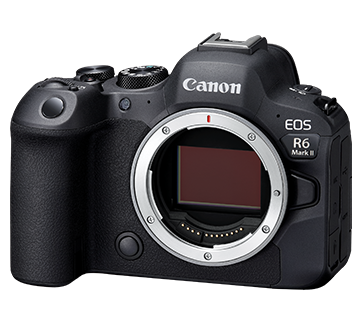
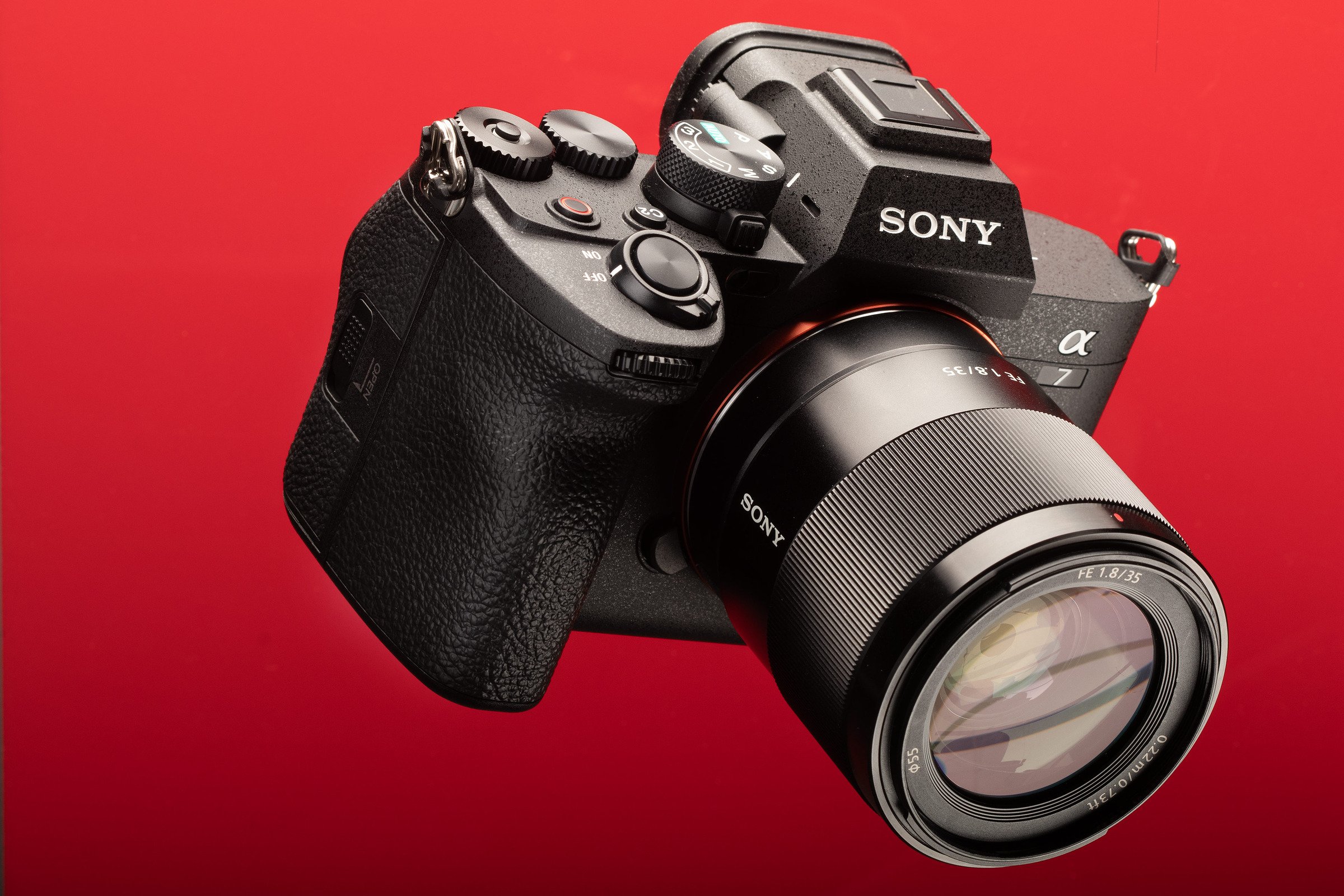
The Canon EOS R6 Mark II and the Sony A7 IV are two highly regarded full-frame mirrorless cameras that attract photographers and videographers looking for high image quality, advanced autofocus, and robust performance. They represent the latest advancements from their respective manufacturers, Canon and Sony, and are often compared due to their similar pricing and specifications. Users who are considering a switch from DSLRs to mirrorless systems or are upgrading their existing gear will find themselves weighing the pros and cons of these two capable cameras. Each has its unique strengths, making the decision dependent on specific use-case scenarios such as sports photography, portraiture, or videography.
Key differentiators between the two lie in their sensor resolution, autofocus systems, video features, and overall design. The R6 Mark II boasts a higher frame-per-second rate for continuous shooting, while the A7 IV offers a superior autofocus system and higher resolution sensor. Understanding how these attributes align with personal photographic goals is crucial for making an informed decision.
Specifications Comparison
Detailed Comparison
Image Quality
In terms of image quality, the resolution plays a significant role, with the Sony A7 IV featuring a 33MP sensor compared to the 24MP sensor in the Canon EOS R6 Mark II. This higher megapixel count allows the A7 IV to capture more detail, particularly beneficial for large prints or extensive cropping. Additionally, the A7 IV offers an ISO range that expands to 204800, slightly improving its performance in low-light conditions when compared to the R6 Mark II's maximum expansion to 204800. However, the Canon R6 Mark II is well-regarded for its color reproduction and skin tones, which can be particularly advantageous in portrait work.
Moreover, the dynamic range is another crucial aspect of image quality, and both cameras perform admirably in this category, although the A7 IV tends to give a slight edge in more challenging lighting conditions. Furthermore, real-world tests indicate that both cameras provide excellent JPEG outputs straight from the camera, while RAW files from both models allow for significant post-processing flexibility. Therefore, while the Sony A7 IV has the advantage in resolution, the Canon R6 Mark II excels in specific photographic scenarios.
When considering the overall image quality, particularly for typical shooting situations, it can be said that both cameras perform excellently but cater to slightly different needs. If resolution and detail capture are paramount, the Sony A7 IV is the clear choice. If you prioritize exceptional color rendering and skin tones, the Canon R6 Mark II shines impressive results.
Autofocus System
Autofocus performance is critical for both still and video capture, and in this aspect, the systems in each camera are notably different. The Canon EOS R6 Mark II is equipped with an impressive 4897 autofocus points, allowing for remarkable subject tracking and focusing speed on a variety of subjects, including moving targets. Its Dual Pixel CMOS AF II technology ensures smooth transitions and precise focusing, especially in dynamic shooting scenarios.
In contrast, the Sony A7 IV employs a total of 759 phase-detection autofocus points, paired with 425 contrast-detection points, which allows for precise, fast, and reliable autofocus in various lighting conditions. The A7 IV also benefits from Sony's tracking algorithms, making it particularly effective in the autofocus department, especially for action shots like wildlife or sports photography. The subject recognition and tracking capabilities further enhance its performance, often outperforming Canon in fast-paced environments.
Both cameras feature excellent face and eye detection functionality, resulting in exceptional results for portrait photography. However, the continuous tracking of moving subjects is where the A7 IV tends to have a slight edge due to its sophisticated algorithms and filter capabilities. Thus, for users who prioritize advanced autofocus features, the Sony A7 IV stands out as the winner in this comparison.
Video Capabilities
Both the Canon EOS R6 Mark II and the Sony A7 IV offer remarkable video capabilities, both capable of recording 4K video at a maximum of 60fps. However, the R6 Mark II has a significant advantage with its ability to achieve up to 40 frames per second in electronic shutter mode, which is ideal for fast action sequences. This higher frame rate gives it an edge for videographers shooting sports or action scenes.
The R6 Mark II also provides the option for internal 10-bit 4:2:2 recording and Canon Log 3, offering versatility in post-production for color grading and dynamic range enhancement. Meanwhile, the A7 IV also supports 10-bit 4:2:2 recording and includes S-Cinetone, catering to filmmakers looking for cinematic results right out of the camera. Its dual recording options allow for easy switching between formats, providing both high-quality and space-efficient file sizes.
However, while both cameras perform excellently in video, it's worth noting that the R6 Mark II can experience overheating during extended recording sessions. The A7 IV has been noted to manage heat more effectively, making it a preferable option for long-duration video shoots. Ultimately, depending on the user's video requirements-such as frame rate or recording duration-the R6 Mark II is beneficial for high-speed shooting, yet the A7 IV is more reliable for longer sessions.
Build & Ergonomics
When it comes to build quality, both cameras are weather-sealed and constructed to withstand environmental challenges, making them reliable for outdoor photography. The Canon EOS R6 Mark II weighs slightly more at 670g compared to the 659g of the Sony A7 IV, which may make a small difference during extended shooting sessions. The Canon's larger grip is often praised for its comfort, especially when using heavier lenses, while the A7 IV's body, though compact, provides a versatile shooting experience and good hand feel.
Both cameras feature an electronic viewfinder and a tilting touchscreen, but the A7 IV has a higher-resolution screen, offering a more precise view while shooting. Moreover, the Canon's touchscreen is slightly easier to navigate and offers better functionality in live view mode. The playback features on both devices are fairly comparable, enabling quick reviews of captured images.
In summary, both models are solid in terms of build and ergonomics, with the Canon having a slight advantage in grip comfort and user-friendliness. However, the Sony A7 IV's slightly lighter and compact design can be beneficial for traveling photographers. Thus, it's somewhat subjective depending on personal preference for ergonomics.
Battery & Storage
Regarding battery life, both the Canon EOS R6 Mark II and the Sony A7 IV feature a rated battery life of approximately 580 shots under CIPA standards. This performance is on par for both models, meaning they'll hold up similarly during day-long shoots without needing a recharge.
Both cameras utilize LP-E6NH and NP-FZ100 batteries, respectively, but the A7 IV typically allows for extended life when using optimized settings for stills versus video recording. In terms of storage, both cameras support SD UHS-II cards, allowing for rapid data transfer rates crucial for high-speed continuous shooting and 4K video recording. This is particularly valuable for photographers who frequently capture in burst mode or shoot high-resolution video footage.
However, the R6 Mark II allows for dual card slots, which is a significant advantage for users requiring redundancy or the ability to write to two cards simultaneously. On the other hand, the A7 IV, while equipped with dual slots, supports a broader range of media formats, potentially accommodating varied user needs in the field.
Overall, both cameras provide competitive battery life and robust storage capabilities, but the Canon R6 Mark II's dual slots provide extra versatility that can be crucial for professional use.
Value for Money
The pricing aspect considerably influences the decision-making process, especially for enthusiasts and professionals who need to justify their investment. The Sony A7 IV is priced at approximately $2499 USD, while the Canon EOS R6 Mark II is typically available at a similar price point but can vary slightly depending on specific retailer discounts and bundles. Given this similarity, the challenge lies in assessing which model presents better value based on the user's individual requirements.
Considering the features, the Canon R6 Mark II offers faster continuous shooting speeds and robust low-light performance, which may appeal more to action photographers and those who prioritize performance. Conversely, the A7 IV, with its superior autofocus system, higher resolution, and innovative features for video content creators, can represent a better value for users focused on sharper image detail and advanced video functionalities.
Ultimately, determining value depends on the photographer's priorities. The EOS R6 Mark II may better serve wildlife, sports, and event photographers, while the A7 IV could be more appealing for portrait artists and videographers looking for enhanced detail and advanced film capabilities. Therefore, the decision may hinge on whether users find more value in speed of shooting and low-light performance versus resolution and autofocus accuracy.
Our Verdict
Both the Canon EOS R6 Mark II and the Sony A7 IV present compelling capabilities for their respective target audiences, leaving the final choice to personal preferences and shooting requirements. The Canon excels in speed with its higher frame rate, making it ideal for capturing action seamlessly, while the Sony offers superior resolution and a more advanced autofocus system. Both cameras are well-built, offer similar performance in battery life, and come with robust video capabilities, making them great choices for either photographers or videographers. In conclusion, users should weigh the specific advantages of each camera against their individual needs, because both are capable of delivering excellent results across various genres.
Canon EOS R6 Mark II
Sony A7 IV
Also Compare
Frequently Asked Questions
Which camera has better low light performance?
The Canon EOS R6 Mark II has a slight advantage in low light performance thanks to its Dual Pixel CMOS AF, enabling quick and accurate focusing even in dim conditions, combined with effective noise control at higher ISO settings.
Can both cameras shoot in 4K?
Yes, both the Canon EOS R6 Mark II and Sony A7 IV can shoot 4K video at 60 fps, making them suitable for high-quality video production.
Which camera is easier to use for beginners?
The Canon EOS R6 Mark II is often regarded as more user-friendly due to its intuitive interface and touch screen functionality, making it a great choice for those new to photography.
Does either camera have better battery life?
Both cameras offer comparable battery life of around 580 shots per charge, making them reliable for daily shooting needs without significant differences.
Which is the better choice for wildlife and sports photography?
The Canon EOS R6 Mark II may be a better choice because of its higher continuous shooting rate, allowing for more frames to capture fast-moving subjects effectively.