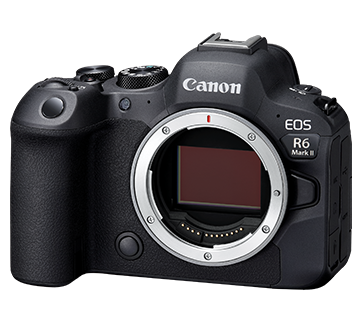
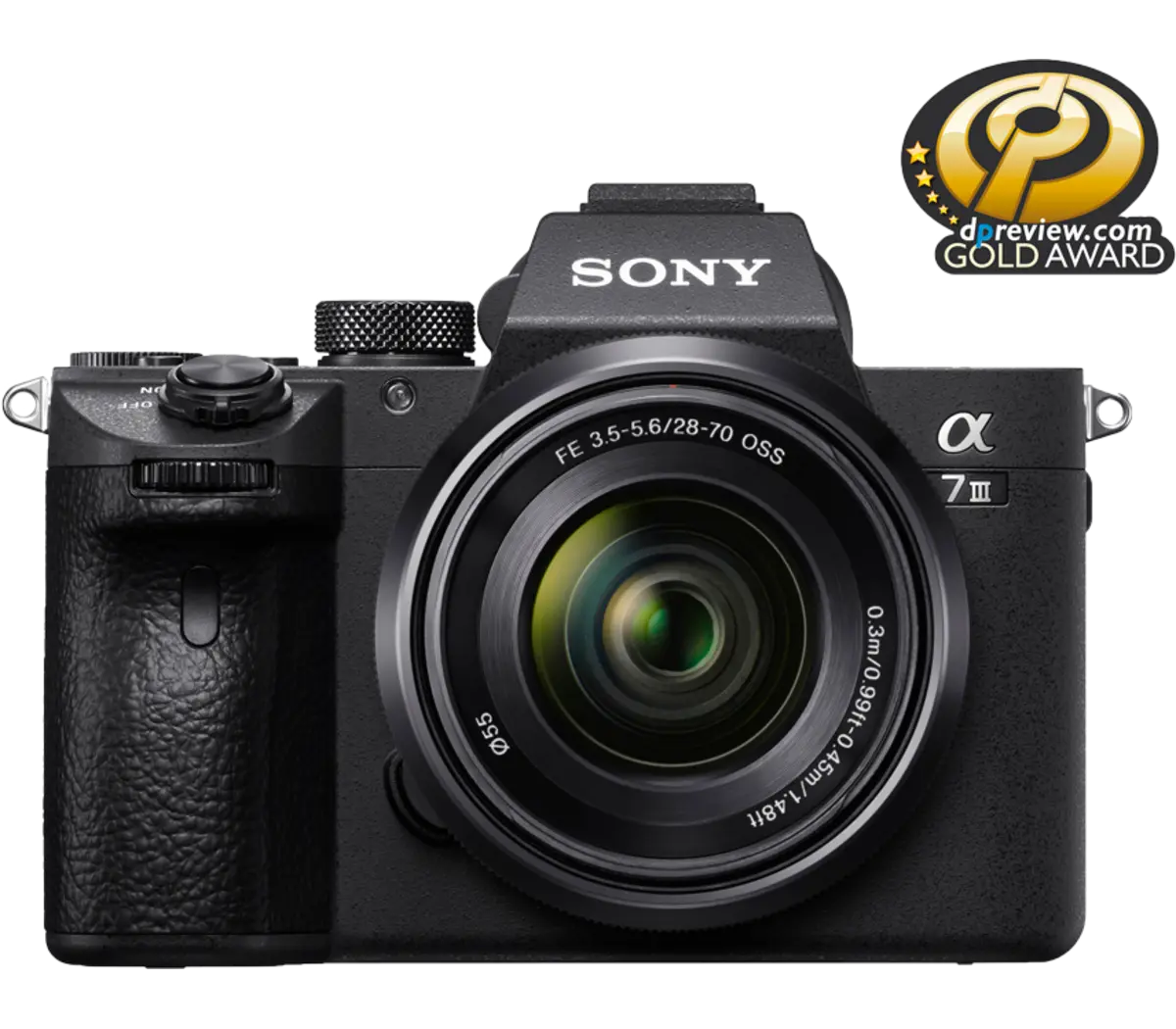
The Canon EOS R6 Mark II and the Sony A7 III are two popular choices among photography enthusiasts and professionals alike. Both cameras feature a full-frame sensor and offer impressive performance across a range of shooting conditions. Buyers often find themselves weighing the benefits of the latest technology and design found in the R6 Mark II against the established and reliable performance of the A7 III, which has been a staple in the mirrorless market since its release in 2018. Key differentiators include autofocus capabilities, video resolution, image stabilization, and overall usability, making this comparison vital for potential buyers selecting their next camera.
Specifications Comparison
Detailed Comparison
Image Quality
Both cameras feature a full-frame sensor with 24 megapixels, providing excellent image quality for a variety of shooting situations. The Canon EOS R6 Mark II has a broader ISO range, expanding from 100 to 102400 (with an additional option of 204800), making it exceptional in low-light conditions. In contrast, the Sony A7 III has an ISO range of 100 to 51200, which, while still impressive, doesn't match the R6 Mark II's capabilities. This broader range in the R6 Mark II allows for greater versatility in challenging lighting conditions and could lead to less noise in high-ISO images.
In terms of dynamic range and color science, both brands have their own signature styles. Canon tends to deliver warmer tones, while Sony's images often exhibit slightly cooler colors. Ultimately, the choice may come down to personal preference, but if low-light photography is a primary consideration, the R6 Mark II has a notable edge.
Autofocus System
The autofocus system is crucial for capturing sharp images, especially in dynamic scenarios. The Canon EOS R6 Mark II boasts an impressive 4897 autofocus points, significantly outperforming the A7 III's 693 points. This extensive coverage allows for better subject tracking and more locking points, particularly in fast-paced environments or when photographing moving subjects. Additionally, Canon's Dual Pixel autofocus technology provides swift and accurate tracking methods that greatly enhance the shooting experience.
On the other hand, the Sony A7 III is also renowned for its strong autofocus capabilities, particularly with its Eye-AF feature that targets human and animal eyes effectively. However, the R6 Mark II's superior autofocus point count and enhanced tracking make it a clear winner in this category, ideal for sports and wildlife photographers who need reliability and speed.
Video Capabilities
The Canon EOS R6 Mark II offers significant advancements in video capabilities, supporting 4K video at 60 frames per second. This allows for smooth motion capture, making it suitable for both professional filmmakers and content creators. The R6 Mark II also includes features like Canon Log (C-Log) for enhanced post-production flexibility and excellent color grading options.
In comparison, the Sony A7 III can record 4K at a maximum of 30 frames per second, which is good but less ideal for scenarios requiring high frame rates. Despite this limitation, the A7 III is still a competent choice for casual videography but simply doesn't match the advanced video features of the R6 Mark II. Therefore, for those focused on high-quality video capture, the R6 Mark II stands out as the better option.
Build & Ergonomics
Both the Canon EOS R6 Mark II and Sony A7 III feature robust weather-sealed bodies that can withstand various environmental conditions, making them reliable for outdoor photography. The R6 Mark II, however, is slightly larger and heavier at 670 grams compared to the A7 III's 650 grams, which some users may prefer for handling stability while shooting.
The layout of the controls and overall ergonomics also offer a distinct feel. The Canon is known for its intuitive design with a comfortable grip that many photographers appreciate, while the A7 III is compact and lightweight, appealing to those who prefer a more portable system. Ultimately, this section could be subjective based on personal preference, but the R6 Mark II provides an extra layer of comfort in handling over extended periods.
Battery & Storage
Battery life is an essential aspect for long-duration shooting sessions, and here the Sony A7 III takes the lead with an impressive rating of 710 shots compared to the R6 Mark II's 580 shots. This difference can be significant for photographers on extended outdoor sessions or with limited charging opportunities. Furthermore, the A7 III supports dual SD card slots, allowing for increased storage capacity and redundancy, which is crucial for long events like weddings.
The R6 Mark II does have dual card slots, but one card slot is a CFexpress Type B, which is aimed at those who need extreme speed for 4K video recording. While this is beneficial for video work, it could lead to higher costs associated with storage. In general, for still photographers focused on battery life and storage, the A7 III is the better choice.
Value for Money
When considering the price, the Sony A7 III is positioned as a more budget-friendly option at around $2000. As the R6 Mark II is priced higher, potential buyers must weigh the added features against the cost. However, the R6 Mark II brings advanced technology, particularly in autofocus and video capabilities, catering to professionals seeking higher performance and newer tech. For those photographers primarily focused on still photography who prioritize budget without sacrificing quality, the A7 III remains an excellent value, particularly for those less demanding of the latest advancements.
Ultimately, it comes down to what a user values more: the extensive features and improved performance of the R6 Mark II, or the A7 III's competitive, lower price point while still delivering phenomenal quality. In this section, the A7 III emerges as the more value-oriented option for many buyers.
Our Verdict
The Canon EOS R6 Mark II emerges as the overall winner due to its superior autofocus system, enhanced video capabilities, and overall image quality. It caters especially well to professional photographers and videographers seeking advanced features and performance flexibility in demanding conditions. However, the Sony A7 III delivers exceptional value, especially for those prioritizing battery life and cost-effectiveness. It remains a solid choice for still photographers and those who can forgo some of the latest technological advancements. Buyers should evaluate their specific needs to choose between the two models effectively.
Canon EOS R6 Mark II
Sony A7 III
Also Compare
Frequently Asked Questions
Which camera is better for low-light photography?
The Canon EOS R6 Mark II has a wider ISO range and superior low-light capabilities compared to the A7 III, making it the better choice for low-light situations.
Is 4K video important in my decision?
If you plan to shoot professional-level video, the R6 Mark II's 4K 60p will be a decisive feature compared to the A7 III's 4K 30p.
Which camera has better autofocus?
The Canon EOS R6 Mark II offers significantly more autofocus points and advanced tracking capabilities compared to the Sony A7 III, making it superior for action photography.
Are both cameras weather-sealed?
Yes, both the Canon EOS R6 Mark II and Sony A7 III are weather-sealed, providing durability for outdoor shooting.
What are the main differences in battery life?
The Sony A7 III offers a longer battery life with around 710 shots, compared to the Canon EOS R6 Mark II's 580 shots, making it better for extended shooting sessions.