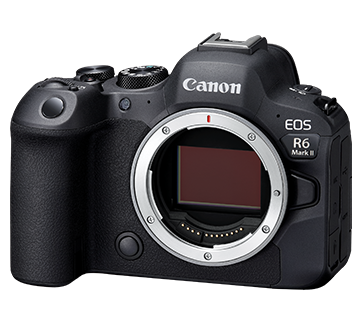
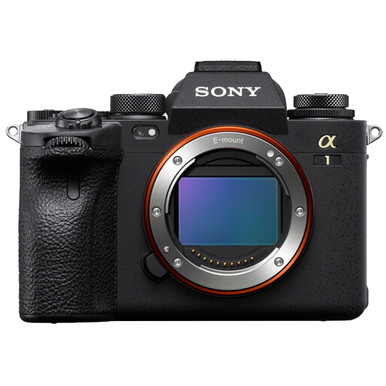
The Canon EOS R6 Mark II and the Sony A1 are two of the most advanced mirrorless cameras on the market, making them popular choices for both professional photographers and enthusiastic amateurs. These cameras are often compared due to their impressive specifications, image quality, and performance across various shooting scenarios. Professionals looking for high-speed shooting, robust autofocus, and stellar video capabilities frequently find themselves choosing between these models, as both offer compelling features tailored to different styles of photography and videography.
The key differentiators lie in their sensor resolutions, autofocus systems, video capabilities, and overall ergonomics. While the A1 boasts a higher megapixel count and 4K video at 120 frames per second, the R6 Mark II offers excellent low-light performance with its superior ISO range and impressive in-body stabilization, making it a formidable choice for action and wildlife photographers. This comparison aims to dissect and analyze these aspects to help potential buyers make an informed decision based on their specific needs and preferences.
Specifications Comparison
Detailed Comparison
Image Quality
The Canon EOS R6 Mark II features a 24-megapixel full-frame sensor, which strikes a balance between high dynamic range and excellent low-light performance. With an ISO range that expands up to 204800, it excels in challenging lighting conditions, making it a reliable choice for indoor events, night photography, and wildlife shooting. The image quality holds up remarkably well with minimal noise even at higher ISO levels, showcasing Canon's strengths in color science and skin tone rendering.
Autofocus System
The Sony A1's autofocus system is a standout feature with 759 phase-detection points, delivering incredibly fast and accurate focusing capabilities, crucial for capturing fast-moving subjects in sports and wildlife photography. Meanwhile, the Canon EOS R6 Mark II employs a groundbreaking Dual Pixel autofocus system with an astonishing 4,897 points. Both systems offer excellent subject tracking, but Canon's implementation is often praised for its reliability in low-light conditions, giving it an edge when shooting after sunset or indoors.
Video Capabilities
When it comes to video, the Sony A1 is capable of recording 4K at 120p, appealing to professionals aiming for high-frame-rate footage for slow motion. While the R6 Mark II can record 4K at 60p and boasts in-body stabilization, which ensures smooth footage even during handheld shooting, many videographers might find themselves drawn to the A1's more advanced options for video resolution and frame rates. Thus, if high-speed video shooting is a priority, the A1 takes the lead.
Build & Ergonomics
Both cameras come with weather sealing, making them suitable for outdoor use in diverse environments. The Canon R6 Mark II, weighing 670g, feels slightly more compact and comfortable in hand during prolonged shooting. It features intuitive controls that make it easy to navigate menus and adjust settings on the fly. The Sony A1, while slightly heavier at 737g, has a solid build quality and well-placed controls that will appeal to those already familiar with the Sony ecosystem. Overall, this category leans towards Canon for ergonomics due to its lightweight design.
Battery & Storage
Battery life is an area where the Canon R6 Mark II shines, offering around 580 shots per charge, compared to the A1's 530 shots. This slight advantage can be beneficial for extensive shooting sessions where changing batteries may not be practical. In terms of storage, both cameras utilize SD cards, with the A1 supporting CFexpress Type A for higher-speed write capabilities, enhancing performance in continuous shooting or 4K video recording. However, the Canon's longer battery life is a more significant consideration for most users.
Value for Money
The price point is a significant factor when considering these two models. The Canon EOS R6 Mark II is priced more moderately than the Sony A1, which sits at $6500. For photographers who may not need the ultra-high resolution or video capabilities of the A1, the R6 Mark II presents a compelling option with many elements that satisfy both stills and video needs at a lower price. The A1's advanced features may justify its cost for professional videographers and photographers who work with high-resolution imagery regularly.
Lens Ecosystem
Both brands have developed extensive lens ecosystems. Canon's RF mount has seen rapid growth with numerous high-performing lenses that are tailored for the R-series cameras, while Sony's E-mount lenses are well-regarded for their optical quality and a wide variety of options. While experienced photographers with an established lens collection may lean towards the system they are already invested in, those starting fresh might weigh the future lens availability and compatibility as a crucial deciding factor.
Our Verdict
Overall, the Canon EOS R6 Mark II emerges as the winner of this comparison due to its strong performance across most categories, particularly in image quality, autofocus system, ergonomics, and battery life. It is well-suited for a versatile range of photography needs, making it an excellent all-rounder. The Sony A1 stands out with its superior video capabilities and high-resolution output, which makes it the ideal choice for those who prioritize these aspects, especially in professional video production and detailed photography. Buyers should consider their individual priorities and shooting styles to determine which camera best meets their photographic needs.
Canon EOS R6 Mark II
Sony A1
Also Compare
Frequently Asked Questions
Which camera is better for low-light photography?
The Canon EOS R6 Mark II is better for low-light photography due to its wider ISO range and excellent high-ISO performance.
What is the major advantage of the Sony A1?
The major advantage of the Sony A1 is its high resolution of 50 megapixels and advanced video capabilities, including 4K at 120 frames per second.
How do the battery lives compare?
The Canon EOS R6 Mark II offers a longer battery life at 580 shots compared to the Sony A1's 530 shots, making it a better option for extended shooting sessions.
Is the autofocus better on one over the other?
Both cameras feature excellent autofocus systems, but the Canon EOS R6 Mark II provides greater reliability in low-light conditions with its higher number of autofocus points.
Are both cameras weather-sealed?
Yes, both the Canon EOS R6 Mark II and the Sony A1 are weather-sealed, making them suitable for outdoor photography in various weather conditions.