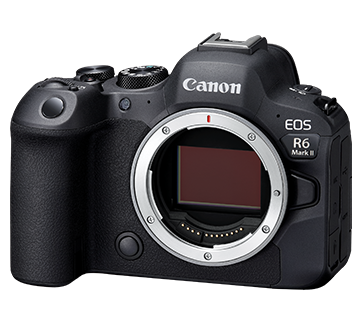
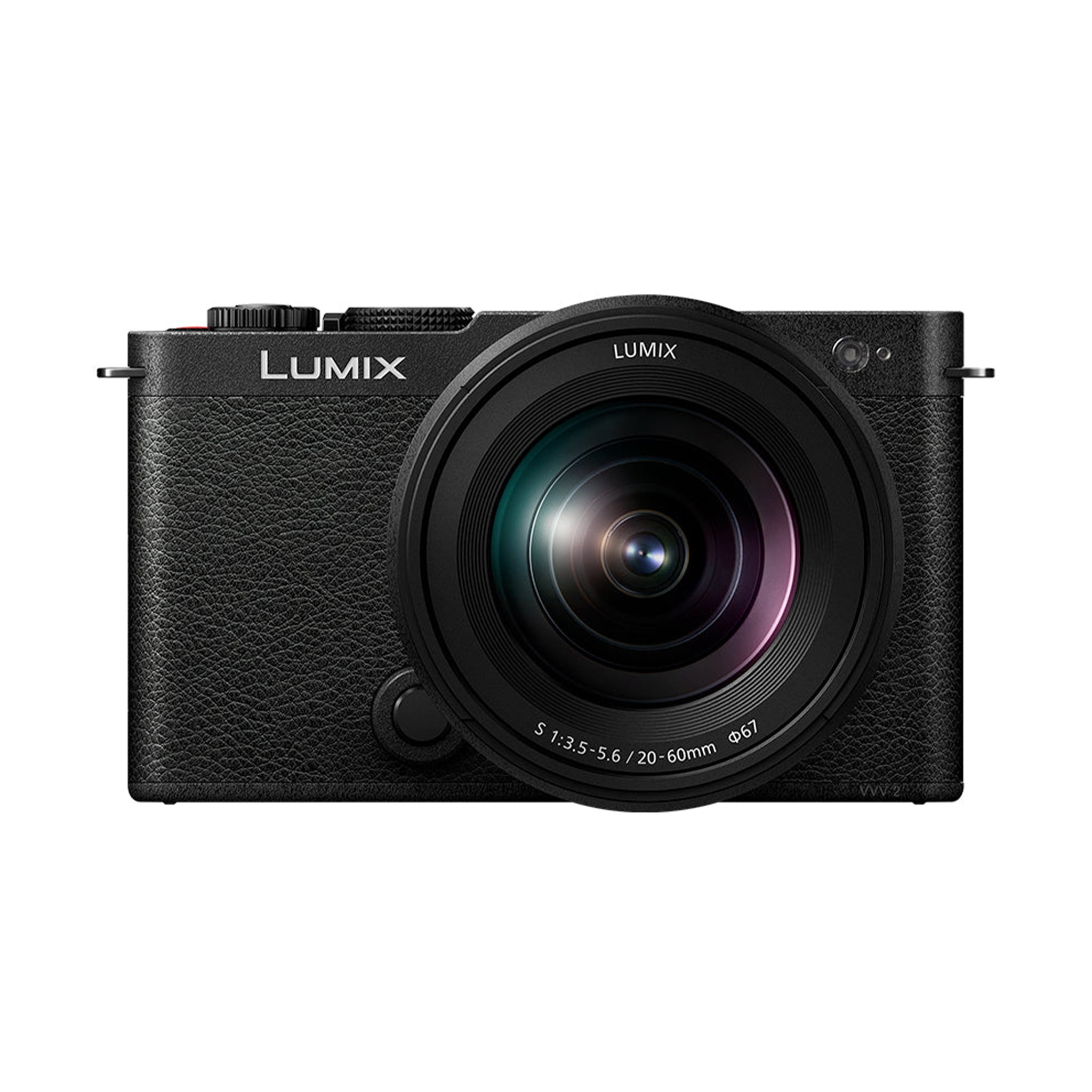
The Canon EOS R6 Mark II and Panasonic S9 are two highly regarded full-frame mirrorless cameras that cater to serious photography enthusiasts and professionals alike. They are frequently compared due to their similar specifications, such as megapixel counts and sensor sizes, as well as their purpose-driven designs for various types of photography, including landscape, portrait, and action shots. Those deciding between the two will benefit from understanding their individual strengths, particularly in image quality, autofocus systems, video capabilities, and overall ergonomics, as both cameras are targeted at advanced users seeking high-performance features.
Specifications Comparison
Detailed Comparison
Image Quality
Both the Canon EOS R6 Mark II and the Panasonic S9 boast a 24-megapixel full-frame sensor, which is standard for high-quality image capture in this segment. The Canon's sensor offers an ISO range from 100 to 102400, with expansion up to 204800, making it exceptionally adept at low-light performance, while the Panasonic S9's slightly smaller sensor size (35.6mm x 23.8mm compared to Canon's 36 x 24 mm) does not significantly impact image quality but may influence depth of field subtly. In practical use, the R6 Mark II may produce slightly better dynamic range and color depth, particularly in challenging lighting conditions, thanks to its advanced processing algorithms and ISO handling. Overall, both cameras deliver excellent image quality, but the Canon has a slight edge in high ISO performance.
Autofocus System
The Canon EOS R6 Mark II features an impressive autofocus system with 4897 autofocus points, providing extensive coverage across the frame and outstanding tracking abilities, especially useful for fast-moving subjects. Its Dual Pixel AF technology ensures rapid subject acquisition and reliable focus in diverse shooting environments. On the other hand, the Panasonic S9's autofocus system, while commendable, does not match the Canon in terms of point density and advanced tracking capabilities. Users focusing on wildlife or sports photography may lean towards the R6 Mark II for its superior autofocus performance, making it more suitable for those who prioritize speed and accuracy during action shots.
Video Capabilities
In the realm of video capabilities, the Panasonic S9 stands out with its ability to record in 5.9K resolution, giving filmmakers more flexible options for high-resolution content creation. It also supports various formats such as UHD 4K and DCI 4K, making it versatile for different cinematic needs. Meanwhile, the Canon R6 Mark II offers 4K video recording at 60p, which is impressive but lacks the higher resolution that the S9 provides. For those heavily invested in video production and looking to shoot at higher resolutions and data rates, the Panasonic S9 becomes the clear choice, making it ideal for more advanced videography.
Build & Ergonomics
The Canon EOS R6 Mark II is slightly heavier at 670 grams and has a bulkier dimensions (138 x 98 x 88 mm), which can provide a robust feel but may not appeal to all photographers. Its weather-sealed body stands up to challenging shooting conditions, making it a reliable choice for outdoor photographers. In contrast, the Panasonic S9 is more compact and lighter at 486 grams (126x73.9x46.7 mm), offering greater portability without sacrificing essential features. Though the build quality of both cameras is excellent, the decision may come down to user preference regarding weight and handling comfort, especially during extended shooting periods.
Battery & Storage
The Canon EOS R6 Mark II offers a commendable battery life of 580 shots, which is above average and supports longer shooting sessions without frequent recharging. Its dual card slots also facilitate ample storage space, allowing photographers to optimize for speed or backup options. Conversely, the Panasonic S9, while lightweight, does not specify battery performance but emphasizes efficient power management with advanced technologies. However, if extended battery usage is a critical factor, the Canon R6 Mark II's endurance gives it the advantage in this regard, being especially beneficial for event and travel photographers who may not have frequent access to charging facilities.
Value for Money
Considering the features offered, the Canon EOS R6 Mark II positions itself as a formidable all-rounder for both photography and videography, boasting advanced autofocus, robust build quality, and impressive battery life. The added benefits often justify its price point for users seeking top-tier performance. In comparison, the Panasonic S9, released in 2024, also appeals to video-centric content creators with its 5.9K recording capability, yet can be seen as a potential overkill for those primarily focused on photography. Both cameras have their unique strengths, and thus, value will highly depend on the specific needs of the user, whether they prioritize photography or videography.
Our Verdict
Overall, the Canon EOS R6 Mark II emerges as the winner with its superior autofocus performance, longer battery life, and robust build quality, making it an excellent choice for photographers who require real-time responsiveness and versatility. The Panasonic S9 does excel in video capabilities, appealing to filmmakers and content creators, but its advantages may not compensate for the overall balance provided by the Canon system. Ultimately, buyers should choose the Canon for a well-rounded photography experience while the Panasonic would serve videographers seeking higher resolution and versatile filming options.