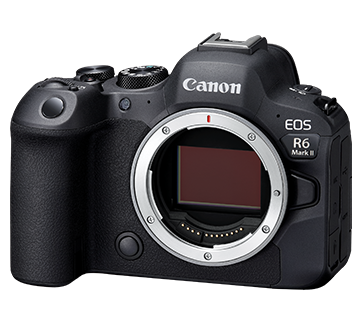
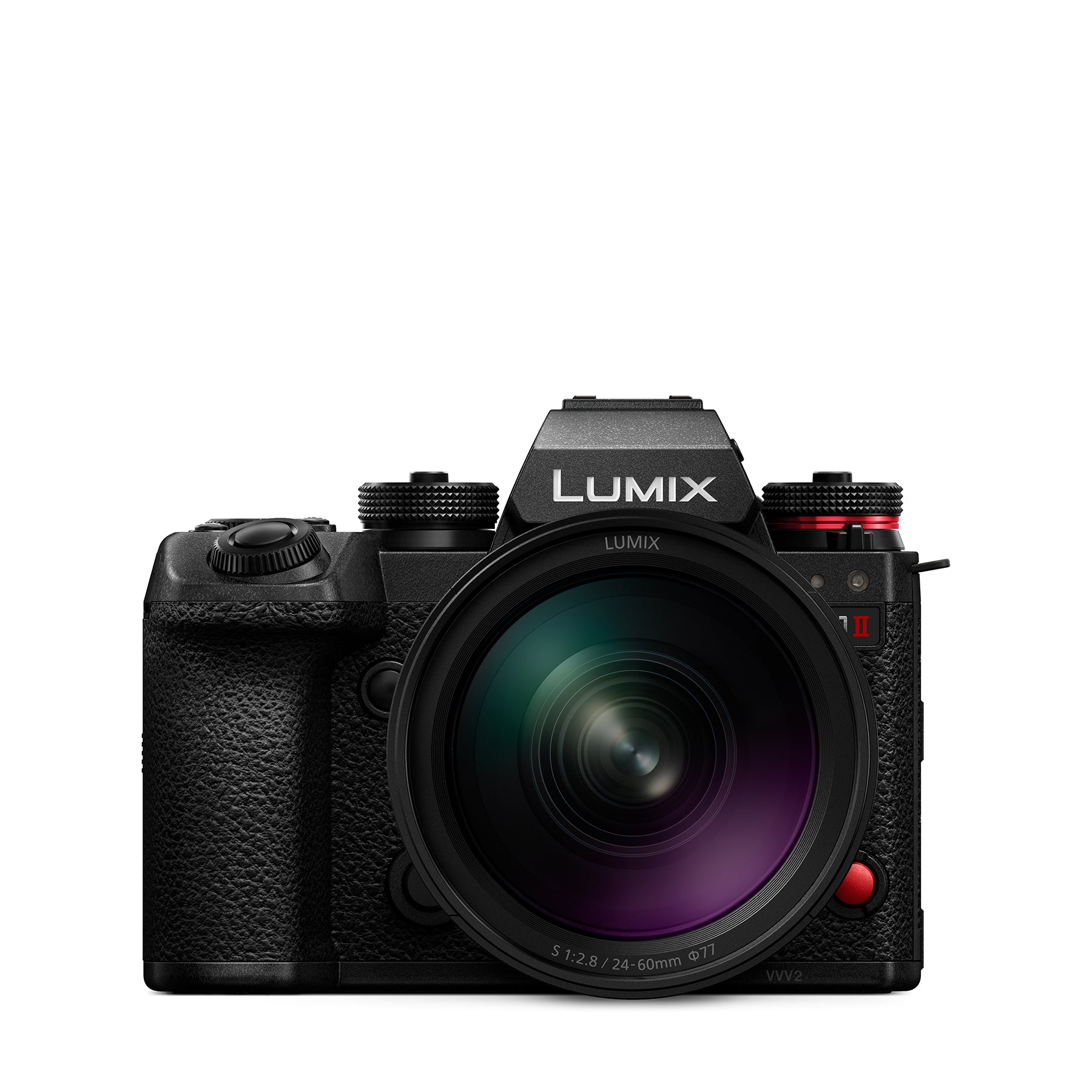
The Canon EOS R6 Mark II and Panasonic S1 II are two well-regarded mirrorless cameras that cater to the needs of both enthusiasts and professionals. With their full-frame sensors and impressive specifications, they stand out in the competitive landscape, making them common contenders for buyers looking for high-quality imaging capabilities, robust autofocus systems, and versatile video recording options. Photographers and videographers who are deciding between these units often prioritize specific aspects like image quality, autofocus performance, and overall build quality that best suit their shooting style and particular use cases.
Specifications Comparison
Detailed Comparison
Image Quality
Both the Canon EOS R6 Mark II and the Panasonic S1 II feature full-frame sensors with closely matched resolutions, the Canon offering 24 megapixels and the Panasonic slightly ahead with 24.1 megapixels. In terms of low-light performance, the R6 Mark II boasts an impressive maximum ISO range of 100-102400 (expandable to 204800), which may provide better low-light capabilities for nighttime or indoor shooting scenarios. The S1 II, while also excellent, offers a more standard ISO range without the same high-end capabilities. The color science of Canon is often favored for skin tones and vibrant color reproduction, whereas Panasonic's approach tends to deliver more neutral colors which can be advantageous for post-processing. This subtle difference in color and dynamic range may sway users depending on their shooting preferences.
Autofocus System
The Canon EOS R6 Mark II leads the pack in autofocus performance with a staggering 4897 autofocus points, utilizing Canon's Dual Pixel CMOS AF technology for rapid and precise focusing. This extensive coverage allows for seamless tracking of moving subjects, an essential feature for action photography. The S1 II, while robust in its own right, is known for its contrast-detection AF system complemented by a smaller number of focus points, limiting its adaptability in fast-paced environments. Photographers who shoot sports, wildlife, or other dynamic subjects might find the R6 Mark II's autofocus capability a worthwhile advantage, solidifying its status as the preferred choice for fast-action photography.
Video Capabilities
Video enthusiasts may favor the Panasonic S1 II with its ability to record at 5.1K 60p, providing higher resolution and flexibility for filmmakers requiring superior detail in their footage. The Canon EOS R6 Mark II, while limited to 4K at 60p, still delivers remarkable video quality affording excellent image stabilization and low-light performance. The R6 Mark II features advanced video options such as log profiles, making it suitable for color grading in post-production. The S1 II, with its more extensive recording capabilities, may appeal to those who prioritize high-resolution video, while the R6 Mark II offers practical benefits for hybrid shooters balancing both photography and video without compromising on quality.
Build & Ergonomics
When considering ergonomics, the Canon EOS R6 Mark II weighs 670g and features a compact design that is comfortable for prolonged periods of use. Its controls are intuitively laid out, appealing to those who prefer quick adjustments while shooting. The S1 II, on the other hand, is slightly bulkier and heavier, which some users may find cumbersome, though others appreciate the robust build quality that feels sturdier in tough conditions. Both cameras are weather-sealed, making them suitable for outdoor photography. Ultimately, the choice here comes down to personal preference regarding hand feel and balance while shooting.
Battery & Storage
Battery life is a crucial aspect for many photographers, and the Canon EOS R6 Mark II offers an impressive capacity with about 580 shots per charge. This provides ample power for daily shooting or events where charging options might be limited. The Panasonic S1 II does not have its battery life specified but is known to be efficient during practical use. Both models utilize dual card slots for storage, allowing for seamless backup and extended shooting which is particularly valuable during event shootings. The R6 Mark II takes the edge due to its more documented and reliable battery performance.
Value for Money
Pricing is an essential consideration for many buyers. While specific prices may vary over time, the Canon EOS R6 Mark II typically offers a slightly more affordable option when factoring in its feature set and performance. It excels with its vast autofocus coverage and low-light capabilities, translating to excellent value for photographers who need versatility in different shooting conditions. The Panasonic S1 II, although higher-priced, justifies its cost through superior video capabilities and robust build quality, making it a great investment for dedicated videographers. However, for hybrid shooters looking for a balance between still photography and video, the R6 Mark II holds an edge in overall value proposition.
Our Verdict
The Canon EOS R6 Mark II emerges as the overall winner in this comparison, primarily due to its superior autofocus performance, practical battery life, versatile imaging capabilities, and balanced value for hybrid shooters. While the Panasonic S1 II shines in video resolution, delivering higher quality output for dedicated videographers, the Canon model is more versatile for those who are also focused on photography. For buyers who prioritize fast action, low-light shooting, and comfort during extended use, the R6 Mark II is the recommended choice. However, those knowing they will focus solely on video production might still find the S1 II's higher resolution beneficial for their specific needs.
Canon EOS R6 Mark II
Panasonic S1 II
Also Compare
Frequently Asked Questions
Which camera is better for low-light photography?
The Canon EOS R6 Mark II has a wider ISO range, making it more suitable for low-light photography compared to the Panasonic S1 II.
How do the autofocus systems compare?
The R6 Mark II features a much larger number of autofocus points (4897) and better tracking capabilities than the S1 II, giving it a clear advantage for action photography.
Is one camera better for video than the other?
The Panasonic S1 II excels in video resolution with 5.1K 60p, making it superior for video-focused users, while the Canon R6 Mark II offers robust video features suited for photographers who also shoot video.
Which camera has better battery life?
The Canon EOS R6 Mark II generally offers better battery life with about 580 shots per charge, which is valuable for long shooting sessions.
Are both cameras weather-sealed?
Yes, both the Canon EOS R6 Mark II and the Panasonic S1 II are weather-sealed, making them suitable for outdoor photography in various conditions.