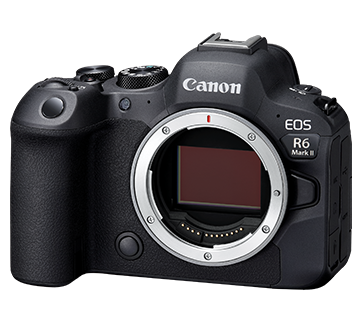
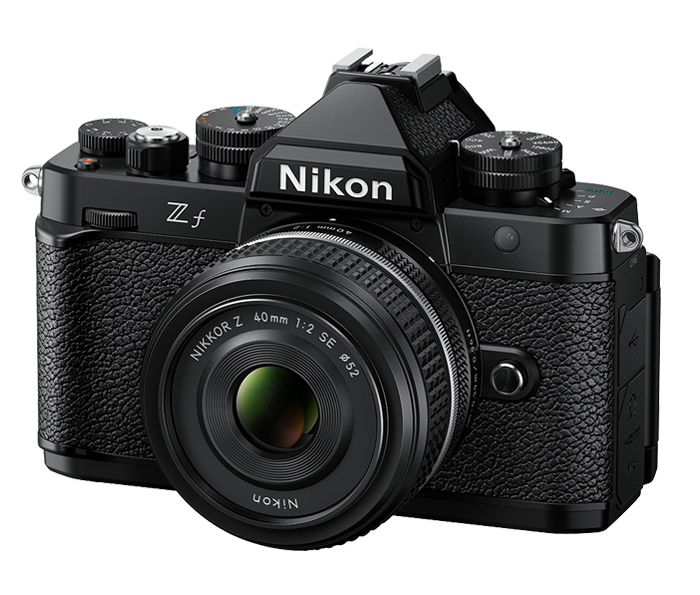
In the competitive landscape of full-frame mirrorless cameras, the Canon EOS R6 Mark II and the Nikon Zf are two standout options that appeal to both amateur and professional photographers. Users are often faced with the choice between these two models due to their advanced specifications and reputation for quality. Photographers seeking a reliable tool for both photography and videography will find themselves weighing factors such as image quality, autofocus capabilities, video performance, build quality, and price. The key differentiators in this comparison lie in the specific features and preferences that align with an individual's shooting style and usage scenarios.
Specifications Comparison
Detailed Comparison
Image Quality
Both the Canon EOS R6 Mark II and the Nikon Zf utilize full-frame sensors, with the R6 Mark II featuring a sensor size of 36 x 24 mm and delivering 24 megapixels, while the Zf offers 25 megapixels with a slightly different sensor dimension of 35.9 x 23.9 mm. The differences in megapixel count are minimal, with the Nikon Zf providing slightly higher resolution, potentially offering more detail for large prints or heavy cropping. However, the Canon R6 Mark II excels in low-light performance due to its wider ISO range, which spans from 100 to an impressive 102,400, and it can also be expanded to 204,800. This capability is crucial for photographers who frequently shoot in challenging light conditions. In terms of overall image performance, the Canon tends to produce images with slightly better dynamic range and color rendition, which is favored by many portrait and landscape photographers.
Autofocus System
The Canon EOS R6 Mark II boasts a remarkable autofocus system with 4,897 focus points, which allows for incredibly precise and fast focusing across the entire frame. This extensive covering makes the R6 Mark II particularly adept at following fast-moving subjects, making it a strong choice for wildlife and sports photographers. The Nikon Zf, while featuring a capable autofocus system with 273 points, does not quite match the Canon's performance in this regard. While the Nikon performs well in general use and also includes face and eye detection capabilities, its autofocus speed and tracking efficiency can sometimes lag behind the R6 Mark II, especially in demanding shooting scenarios. The superior autofocus system of the EOS R6 Mark II cements its reputation in fast-paced photography environments.
Video Capabilities
Both cameras are equipped for 4K video recording at 60 frames per second, which is a standard expectation in this class of camera. However, the Canon EOS R6 Mark II offers better cooling options, allowing for longer recording times without overheating during extended shoots. In practical application, this feature can be a game-changer for videographers and content creators. The Nikon Zf, while also capable of 4K video, may not handle longer durations as reliably as its Canon counterpart due to its slightly lower thermal management capabilities. Furthermore, the R6 Mark II's post-processing flexibility provides greater latitude in color grading, making it an excellent choice for professional video production.
Build & Ergonomics
In terms of build quality, both cameras are well-constructed and weather-sealed, ensuring durability in a variety of shooting conditions. The Canon EOS R6 Mark II has slightly more compact dimensions at 138 x 98 x 88 mm and weighs in at 670 grams, which can be advantageous for portability, especially during long shooting sessions. The Nikon Zf, however, is larger and heavier at 144 x 103 x 49 mm and 710 grams, possibly offering a more substantial grip for users with larger hands. The Zf's screen, measuring 3.2 inches and featuring 2,100,000 dots resolution, provides a clearer image compared to the R6 Mark II's 3-inch display with 1,620,000 dots. In terms of user interaction, both models feature electronic viewfinders, but the ergonomics might vary based on personal preference and usage style.
Battery & Storage
The Canon EOS R6 Mark II boasts an impressive battery life, capable of capturing approximately 580 shots per charge, making it suitable for long shooting days without frequent need for battery changes. In contrast, the Nikon Zf has a shorter battery life of around 380 shots. This difference can impact the usability for photographers who are often in the field or shoot events where changing batteries is inconvenient. Both cameras use dual card slots, which is beneficial for professionals who require backup options or those who work with high-resolution video. The stronger battery performance of the R6 Mark II provides an advantage in terms of extended shooting capabilities without interruptions.
Value for Money
The Canon EOS R6 Mark II currently holds a stronger value proposition when considering its features and performance, especially since it was released in 2022. While the Nikon Zf is priced at $1999, the R6 Mark II tends to provide a more versatile choice for both stills and video, potentially justifying its price tag. The R6 Mark II's superior autofocus, longer battery life, and overall image quality make it a robust option for professionals and serious enthusiasts alike. Although the Nikon Zf does offer a higher megapixel count and a slightly larger display, these advantages may not outweigh the overall performance and reliability of the EOS R6 Mark II, making it the better investment for most users.
Our Verdict
The Canon EOS R6 Mark II emerges as the overall winner in this comparison due to its exceptional autofocus capabilities, better low-light performance, longer battery life, and robust video features. While the Nikon Zf does offer higher resolution and some ergonomic advantages, the Canon's strengths align more closely with the needs of a wider range of photographers, especially those needing reliable performance across diverse shooting scenarios. The R6 Mark II is an ideal choice for anyone looking for a versatile and high-performing mirrorless camera, while the Zf may still appeal to users who prioritize resolution and a slightly larger touchscreen experience.
Canon EOS R6 Mark II
Nikon Zf
Also Compare
Frequently Asked Questions
Which camera has better low-light performance?
The Canon EOS R6 Mark II offers a superior ISO range (100-102400, expandable to 204800), making it more effective in low-light situations compared to the Nikon Zf, which has a standard range that does not extend as far.
Is the autofocus better on the R6 Mark II or the Zf?
The autofocus system on the Canon EOS R6 Mark II is significantly more advanced with 4,897 focus points compared to the 273 on the Nikon Zf, providing faster and more reliable tracking for moving subjects.
How does video quality compare?
Both cameras can record 4K video at 60p, but the R6 Mark II has better thermal management, allowing for longer recording times without overheating, which is crucial for serious videographers.
Which camera is better for portability?
The Canon EOS R6 Mark II is lighter and more compact than the Nikon Zf, making it easier to carry around during long shoots or travel.
What is the difference in battery life?
The Canon EOS R6 Mark II offers approximately 580 shots per charge, significantly more than the Nikon Zf, which only allows for around 380 shots, making the R6 Mark II a better choice for extended shooting sessions.