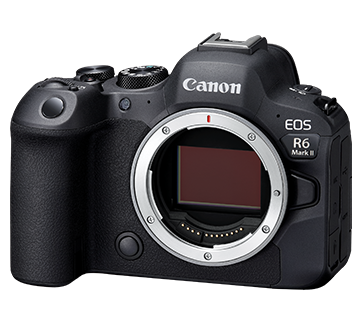
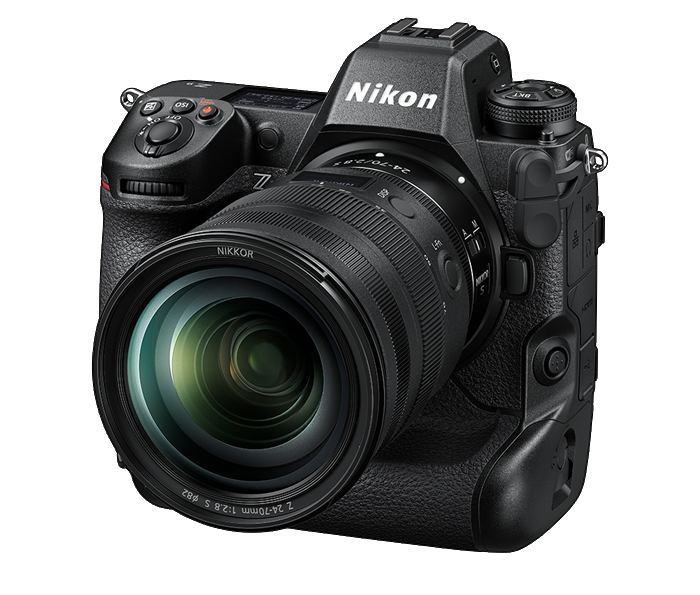
The Canon EOS R6 Mark II and the Nikon Z9 are two of the most prominent offerings in the full-frame mirrorless camera market, and they are frequently compared by photographers and videographers alike. Both cameras cater to enthusiasts and professionals looking for high performance, but they target slightly different needs. The R6 Mark II focuses on versatility and ease of use, while the Z9 appeals to users seeking high resolution and incredible burst capabilities. The decision between the two often hinges on specific requirements such as image quality, autofocus capabilities, and video features.
Specifications Comparison
Detailed Comparison
Image Quality
In terms of image quality, the Nikon Z9 significantly outshines the Canon EOS R6 Mark II with its 46 megapixels compared to the R6 Mark II's 24 megapixels. The higher resolution of the Z9 allows for greater detail in images, making it a better choice for large prints and high-end commercial work. The Nikon also benefits from a slightly larger sensor size, which can contribute to better dynamic range and low-light performance, reducing noise at higher ISO settings.
On the other hand, the Canon R6 Mark II offers a more extensive ISO range, expanding up to 204800 compared to the Z9's maximum ISO range capabilities, making it more versatile in varying light conditions. Many photographers may find the lower pixel count of the R6 Mark II provides less noise in low-light scenarios due to the sensor's large individual pixel size.
Overall, while both cameras provide excellent image quality, the Nikon Z9 leads with resolution and detail, whereas the Canon excels in low-light capability and usability, making it an excellent choice for event photography.
Autofocus System
Canon's EOS R6 Mark II boasts an impressive autofocus system with a staggering 4897 autofocus points, allowing for virtually complete coverage of the frame. This feature, combined with Canon's Dual Pixel AF technology, enables exceptional tracking of subjects, especially moving ones, making it ideal for action photography or sports.
In comparison, the Nikon Z9 offers 493 autofocus points which, while fewer, are well-optimized for speed and accuracy. The Z9 also features advanced subject detection, including animal and vehicle tracking, proving to be highly effective in varied shooting scenarios. However, the number of focus points alone doesn't tell the whole story; Canon's implementation in real-world situations often results in snappier and more reliable autofocus performance.
Ultimately, while both systems are robust and feature-rich, the Canon EOS R6 Mark II wins in terms of sheer autofocus capability and user experience-key factors for photographers focused on action and spontaneity.
Video Capabilities
Video capabilities are a crucial aspect of camera performance, especially among newer generations of photographers and videographers. The Canon EOS R6 Mark II supports 4K video at 60 frames per second, which is excellent for most creators looking to produce high-quality footage. Its video capabilities are also bolstered by advanced features such as in-body stabilization offering up to 8 stops, which helps in producing smoother video without a gimbal.
However, the Nikon Z9 takes video performance to the next level with the ability to shoot 4K video at 120 frames per second, a feature that is particularly advantageous for filmmakers interested in capturing high-speed action or creating slow-motion sequences. The Z9 also includes raw video output and a higher color depth, which can appeal to professional video editors.
The standout feature here is clearly the Nikon Z9's superior video performance, making it the preferred choice for serious videographers needing higher frame rates and more versatility in their filming capabilities.
Build & Ergonomics
The Canon EOS R6 Mark II is lighter at 670 grams, making it more portable and easier to handle for long periods, crucial for event and travel photographers. Its dimensions provide a more compact design that can be an advantage in tighter shooting situations. The build quality is excellent, featuring a well-sealed weather-resistant body, meaning it's reliable in various environmental conditions.
By contrast, the Nikon Z9 is heavier at 1340 grams but compensates with a robust build that exudes durability. It has a larger grip which may provide a more secure hold, especially when using larger lenses. Both cameras feature weather sealing, which is critical for outdoor photographers.
In terms of ergonomics, the choice between the two will depend on personal preference regarding size and weight. Those who prioritize portability might favor the Canon EOS R6 Mark II, while users looking for a more substantial and durable device may prefer the Nikon Z9. Thus, this is somewhat of a tie in terms of usability and build due to the diverging priorities of potential users.
Battery & Storage
When it comes to battery life, the Nikon Z9 has a clear advantage with a rated capacity of approximately 740 shots. This makes it a reliable choice for long shoots where changing batteries frequently can be cumbersome. The Z9's powerful battery allows photographers to shoot for extended periods without worrying about power management.
In contrast, the Canon EOS R6 Mark II offers a respectable battery life of around 580 shots. While this is adequate for most situations, heavy users, especially in fast-paced environments, may find themselves needing to swap batteries more often. This can be a consideration, especially for those who often shoot in remote locations without easy access to recharging options.
In terms of storage, both cameras utilize interchangeable memory cards; however, the Z9 supports CFexpress Type B cards, allowing for high-speed data transfer rates that are essential for 8K video recording and high-burst rate shooting. The R6 Mark II utilizes standard SD cards, which can be a limitation for tasks requiring rapid data transfer and storage. Overall, the Nikon Z9 edges out the Canon R6 Mark II in terms of battery longevity and speed of data management.
Value for Money
Value for money is an essential consideration for buyers, especially given the price differences between the two models. The Canon EOS R6 Mark II tends to be more affordable, positioned as a versatile camera suitable for both photography and videography. It provides an excellent balance of features for its price, making it appealing to enthusiasts looking for top-quality performance without the professional price tag.
On the other hand, the Nikon Z9 comes at a premium price point of around $5500. This camera is targeted directly at professionals who demand the highest quality in both images and video. With significantly higher resolution, advanced video features, and superior build quality, it represents a significant investment that may be justified for professional users or serious enthusiasts.
In summary, while both cameras deliver exceptional quality, the Canon EOS R6 Mark II offers better value for photographers seeking a reliable and versatile tool at a more accessible price point, while the Nikon Z9 justifies its cost through exceptional capabilities and professional-grade features.
Our Verdict
Overall, the Nikon Z9 is the overarching winner for professionals who prioritize image resolution, video capabilities, and high-speed performance. Its advanced features cater excellently to serious videographers and commercial photographers demanding the best from their equipment. However, the Canon EOS R6 Mark II holds its own as a versatile, user-friendly camera that offers exceptional value for those who do not require the absolute highest resolution or premium video specifications. For photographers focusing on flexibility, low-light shooting, and overall usability, the Canon R6 Mark II remains an attractive and wise choice.
Canon EOS R6 Mark II
Nikon Z9
Also Compare
Frequently Asked Questions
Which camera offers better low-light performance?
The Canon EOS R6 Mark II offers a greater maximum ISO range and typically excels in low-light conditions, making it preferable for nighttime photography.
Is the Nikon Z9 worth the higher price?
For professionals needing high resolution and advanced video capabilities, the Nikon Z9's features justify its higher price tag, making it a solid investment.
Which camera is better for video recording?
The Nikon Z9 is superior for video recording due to its ability to shoot 4K at 120fps, making it an excellent choice for filmmakers.
How does the autofocus system compare between the two cameras?
The Canon EOS R6 Mark II features a higher number of autofocus points and generally provides better tracking for dynamic subjects compared to the Z9.
What is the battery life like on each camera?
The Nikon Z9 offers longer battery life at around 740 shots, whereas the Canon R6 Mark II has a life of about 580 shots.