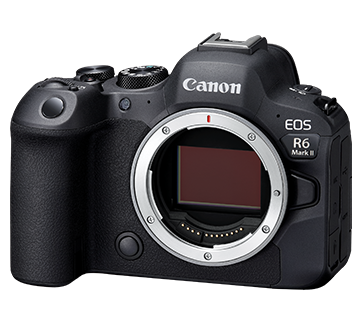
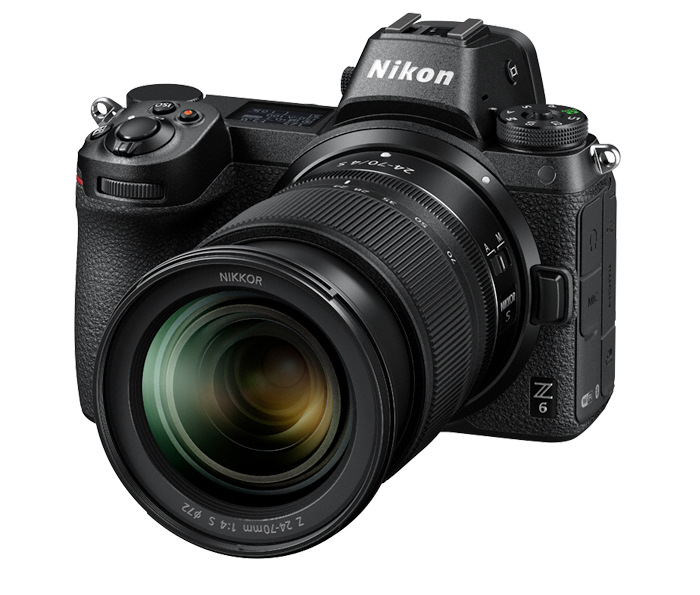
The Canon EOS R6 Mark II and the Nikon Z6 are two full-frame mirrorless cameras that are frequently compared by photography enthusiasts and professionals alike. Both cameras have unique strengths and features that cater to various shooting styles and preferences. Users who are contemplating between these two models typically look for advanced performance, image quality, and overall system compatibility, especially since both Canon and Nikon have rich histories in the camera industry, making these models appealing to loyal customers of either brand. The key differentiators include autofocus systems, video capabilities, and battery life, which are critical in today's fast-paced photography and videography landscape.
Specifications Comparison
Detailed Comparison
Image Quality
Both the Canon EOS R6 Mark II and the Nikon Z6 deliver remarkable image quality, yet they differ slightly in specifications. The Canon R6 Mark II has a 24MP sensor, which tends to deliver vibrant colors and excellent dynamic range. In contrast, the Nikon Z6 boasts a marginally higher 25MP sensor that can slightly enhance detail in images. However, many users may not notice this difference in day-to-day shooting since both cameras handle low-light conditions very well. The Canon model's impressive ISO range of 100-102400 that expands to 204800 is superior to Nikon's maximum of 204800 with excellent noise control, making it a more flexible option for varied lighting environments.
Regarding color science, many photographers prefer Canon's color rendition for skin tones, while Nikon offers excellent contrast and vibrancy. The choice often comes down to personal preference and intended use. Overall, both cameras produce images that are more than satisfactory for professional use, but the Canon offers slight advantages in flexibility and performance in low-light shooting.
Autofocus System
The autofocus systems of both the EOS R6 Mark II and Z6 are impressive, but Canon takes the lead with its advanced Dual Pixel CMOS AF technology, featuring an enormous 4897 autofocus points. This provides superior tracking and focus accuracy, especially for moving subjects, making it a better option for sports and wildlife photography. In comparison, the Nikon Z6 has 273 autofocus points, which are effective but less extensive than those found in the Canon. Nikon's face and eye detection features have improved over time, but users may find Canon's system offers faster and more reliable results in challenging situations.
Another point to consider is the low-light performance of their autofocus systems, where Canon again excels by maintaining accuracy in dim conditions, allowing creative freedom during night shoots. The sophistication of Canon's autofocus algorithms means it usually locks focus quicker and more accurately in a variety of environments, further showcasing its strengths. Overall, while Nikon's autofocus is respectable, Canon's R6 Mark II shines in this aspect.
Video Capabilities
When it comes to video recording, the Canon EOS R6 Mark II offers more advanced features, allowing 4K recording at 60 frames per second as opposed to Nikon's maximum of 30 fps. This gives Canon users greater options for high-speed video capture, which can enhance production quality for filmmakers. Both cameras support a variety of video recording formats, but the Canon's comprehensive options make it more suitable for videographers aiming for higher frame rates and better slow-motion capabilities.
Additionally, the Canon EOS R6 Mark II has better in-body stabilization, rated at 8 stops, compared to Nikon's 5 stops, which helps produce smoother footage even when shooting handheld. This feature is crucial for shooting dynamic scenes and will be appreciated by videographers who prefer mobility. When considering features such as 10-bit internal recording, Canon edges out, making it more attractive for serious video work. Given all these aspects, Canon's video capabilities stand out significantly over Nikon's.
Build & Ergonomics
Both Canon and Nikon have designed their cameras with durability and ease of use in mind. The Canon EOS R6 Mark II, weighing 670g and measuring 138 x 98 x 88 mm, feels robust yet comfortable in hand, perfect for extended shooting sessions. It features thorough weather sealing, making it suitable for various shooting conditions. The layout is intuitive, catering to photographers who appreciate accessible controls and good grip.
On the other hand, the Nikon Z6, while slightly heavier at 675g and smaller in some dimensions (134 x 101 x 68 mm), also boasts excellent weather sealing and comfortable ergonomics. While the Nikon's dials and buttons provide satisfactory feedback, some users find Canon's controls slightly more intuitive due to the camera's overall layout. In terms of aesthetic appeal, both cameras have modern designs with electronic viewfinders that provide accurate previews. Therefore, while both cameras are ergonomically sound and well-built, the Canon offers a marginally better user experience.
Battery & Storage
Battery life is an essential aspect of any camera, especially for those on long shooting days. The Canon EOS R6 Mark II is rated for approximately 580 shots per charge, which is significantly more than the Nikon Z6's 310 shots. This extended battery life is a significant deciding factor for photographers who may find themselves shooting without the opportunity to recharge or swap batteries frequently. Additionally, the R6 Mark II uses the LP-E6NH battery, which provides excellent performance for high-function cameras.
Storage options are comparable for both cameras, supporting SD UHS-II cards, which ensure fast write speeds essential for both fast burst shooting and high-quality video recordings. While both options are capable, the improved battery life of the Canon makes it more favorable for those looking to maximize their shooting time during events, trips, or weddings.
Value for Money
The Nikon Z6 is priced at $1995, while the Canon EOS R6 Mark II is positioned in a higher tier within the competitive landscape. While the Z6 offers a great feature set, including excellent image quality and build quality for the price, many buyers often consider the advanced features of the R6 Mark II to justify the higher cost. The significant differences in autofocus performance, video capabilities, and battery life contribute to a better value proposition for those willing to invest more upfront.
Furthermore, the overall systems each camera belongs to can affect long-term value and support. Canon has been actively expanding its RF lens lineup, which may incentivize buyers to consider the EOS R6 Mark II as a part of a future-proof investment. However, Nikon's lens ecosystem is robust and has many adapted F-mount options for existing Nikon users, adding value to current Nikon system owners. Ultimately, considering what each user values most will define their decision regarding which camera provides better value.
Our Verdict
The Canon EOS R6 Mark II emerges as the overall winner in this comparison due to its superior autofocus system, advanced video capabilities, extended battery life, and refined image quality, aligning it closely with the needs of modern photographers and videographers. While the Nikon Z6 offers excellent image quality and a strong build, its limitations in autofocus and video performance may deter users looking for the latest features. The R6 Mark II is an outstanding choice for anyone looking to invest in a high-performance camera that caters to versatility across photography and videography.