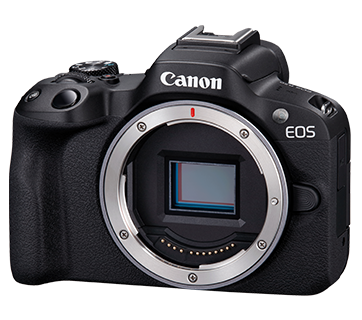

The Canon EOS R50 and the Sony A6700 are two prominent mirrorless cameras that cater to photographers looking for high-quality APS-C sensors in a compact format. As more users transition from smartphone photography to dedicated cameras, these models are often compared by enthusiasts and professionals who want the flexibility of interchangeable lenses without compromising on performance. While the R50 is positioned as an entry-level option with a competitive price point, the A6700 offers advanced features desirable for videographers and more experienced photographers. Key differentiators such as autofocus capabilities, video performance, and overall build quality might influence buyers looking for specific strengths in their camera systems.
Specifications Comparison
Detailed Comparison
Image Quality
Both the Canon EOS R50 and the Sony A6700 produce impressive image quality, but they differ slightly in specifications. The R50 features a 24 MP APS-C sensor, while the A6700 boasts a slightly higher resolution at 26 MP. This resolution advantage can be beneficial for users requiring larger prints or extensive cropping capabilities without losing detail. Additionally, both cameras share an ISO range that tops out at 32,000, allowing for decent low-light performance, but the A6700 offers an expandable ISO of 50-102,400, providing incredible versatility in challenging lighting conditions.
From a color science perspective, Canon tends to produce vibrant skin tones and pleasing colors, which is a strong point for portrait photography or lifestyle images. On the other hand, Sony's sensors often excel in detail retention in high-contrast scenes. Ultimately, the A6700 appears to edge out in terms of overall resolution and low-light flexibility, particularly with its ability to expand the ISO range. However, both cameras will satisfy most everyday photography needs, making this a relatively close comparison.
Autofocus System
The autofocus capabilities are pivotal in today's fast-paced photography environments, and here is where the Sony A6700 really shines. With 759 autofocus points, the A6700 offers a more sophisticated system with higher coverage, making it more efficient in tracking moving subjects seamlessly. Its Real-Time Eye autofocus, which works for both humans and animals, adds to its appeal for wildlife and portrait photographers.
In comparison, the Canon EOS R50 boasts 651 autofocus points, which are competent but slightly less impressive than the A6700's system. While it still offers reliable subject tracking and focus capabilities, it cannot match the precision and speed of Sony's offerings. For scenarios involving fast action or quick changes in subject distance, the A6700's autofocus performance is a game-changer. Thus, for serious photographers focusing on speed and accuracy, the A6700 takes the crown in this category.
Video Capabilities
When it comes to video capabilities, the Sony A6700 clearly outperforms the Canon EOS R50. The A6700 supports 4K recording up to 120 frames per second, allowing for high-frame-rate video and smooth slow-motion footage, appealing to filmmakers and content creators alike. It also provides advanced features like 10-bit 4:2:2 recording, making it suitable for professional video workflows.
In contrast, the Canon EOS R50 offers 4K video recording at 30 frames per second. While still capable of producing attractive video quality, its limitations in frame rates restrict more dynamic video creativity. Furthermore, the absence of advanced video features, such as high bit rates, means it may not suffice for those who prioritize video performance in their work. Overall, for videographers seeking versatility and advanced features, the A6700 is the evident choice.
Build & Ergonomics
In terms of build quality, the Sony A6700 features a weather-sealed body that enhances durability and reliability in various environmental conditions, providing peace of mind for outdoor photographers. On the other hand, the Canon EOS R50, while compact and lightweight, does not offer weather sealing, which may be a consideration for buyers who often shoot outdoors.
In terms of weight, the R50 is significantly lighter at 375 g compared to the A6700's 493 g, making it a more portable option for travel and casual photography. Both cameras have electronic viewfinders, but the R50's EVF may have a slight edge in terms of clarity and refresh rate. The ergonomic design of both cameras is generally comfortable, but user preference for grip and button placement can weigh heavily, making this aspect somewhat subjective but essential to consider.
Battery & Storage
The battery life of the Sony A6700 is rated at approximately 570 shots, which is commendable for a camera in this class, allowing photographers to shoot for extended periods without frequent battery changes. The A6700 also supports dual card slots, giving users the flexibility for backup or increased storage capacity, which is a significant advantage for those who shoot large volumes of images or video.
In contrast, the Canon EOS R50 does not specify battery life categorically, but it is expected to perform competently for casual use. However, it lacks the dual card slot system, which can be limiting for professional users who prioritize backup capabilities for important shoots. Therefore, for long sessions and high-volume shooting, the A6700 serves better with its superior battery life and storage options.
Value for Money
When considering price, the Canon EOS R50 is considerably more accessible with a price point of $679, making it an appealing option for entry-level photographers and those on a budget. The value it offers includes a solid set of features for both photography and videography, making it a strong contender for newer enthusiasts looking to invest in serious photography.
The Sony A6700, priced at $1400, incorporates advanced features that justify its higher price tag, particularly for professionals who demand superior autofocus and video capabilities. However, for casual shooters or photographers just stepping into the world of dedicated cameras, the value proposition of the A6700 may not be as compelling. Therefore, in terms of overall value for both price and performance, the R50 stands out, particularly for beginners and casual users who prioritize affordability above premium features.
Lens Ecosystem
Both Canon and Sony provide extensive lens ecosystems for their respective mounts. The Canon RF mount is continually expanding with high-quality lenses; however, at the time of this review, Canon's RF lens lineup tends to be more expensive, and options for APS-C lenses are somewhat limited compared to Sony's offerings.
Sony's E mount benefits from a wider array of lenses available at various price points, including several third-party lenses that enhance its versatility. This advantage allows A6700 users to explore multiple lens options readily suited for different styles, such as macro, telephoto, and ultra-wide photography. If adaptability and lens choice are a determining factor for buyers, the A6700's ecosystem could be a significant advantage for long-term investment.
Our Verdict
Considering the overall balance of features and performance, the Sony A6700 emerges as the overall winner of this comparison, particularly for serious photographers and videographers looking for advanced capabilities. Its stronger autofocus system, excellent video performance, and solid build quality position it as the go-to choice for professionals needing high reliability and flexibility. However, the Canon EOS R50 provides fantastic value for the money, especially for beginners entering the world of photography and those who prioritize ease of use and affordability. In conclusion, if you are an entry-level photographer or prioritize budget, the R50 is an excellent choice, while any serious enthusiast or aspiring professional should strongly consider the A6700.
Canon EOS R50
Sony A6700
Also Compare
Frequently Asked Questions
Which camera is better for video work?
The Sony A6700 is superior for video due to its 4K 120p recording capability, advanced features, and higher bit rates.
Is the Canon EOS R50 suitable for beginner photographers?
Yes, the Canon EOS R50 is an excellent choice for beginners due to its lower price point and user-friendly features.
How does autofocus performance compare?
The A6700 has a more advanced autofocus system with 759 points, providing better tracking and accuracy compared to the R50's 651 points.
Which camera has better low-light performance?
While both cameras perform well in low light, the A6700's expandable ISO range gives it a significant advantage.
What should I consider when choosing between these two cameras?
Consider your primary use case: If you need advanced video capabilities and superior autofocus, the A6700 is the better choice. If you want an entry-level camera with good performance at a lower price, choose the R50.