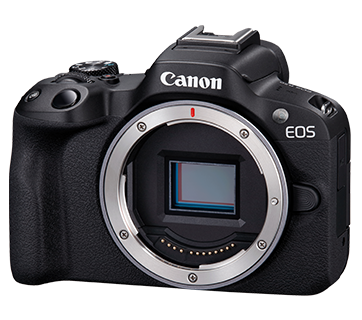
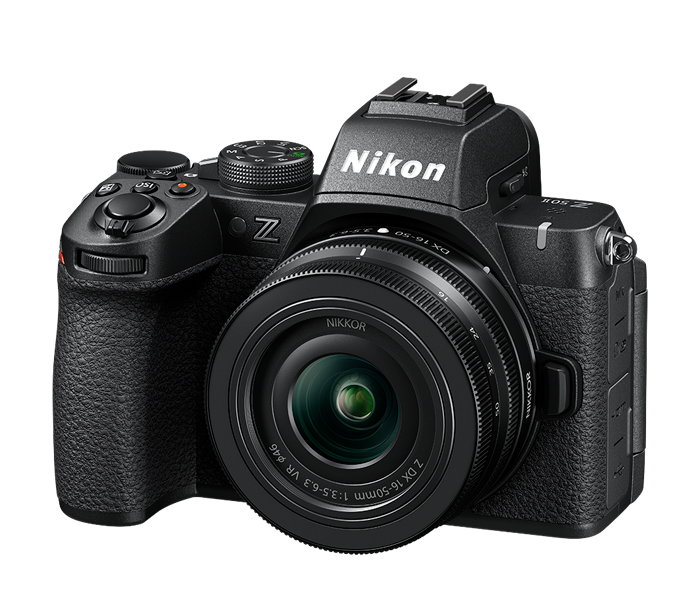
The Canon EOS R50 and Nikon Z50II are two prominent mirrorless cameras in the APS-C segment, appealing to both enthusiasts and those stepping into photography. As compact and versatile options, they often attract photographers considering portability coupled with robust performance. The key differentiators lie in their imaging capabilities, autofocus systems, video functionalities, and build quality. Thus, users seeking an entry point into the mirrorless world or an upgrade from entry DSLRs will find themselves weighing the advantages of each model carefully.
Specifications Comparison
Detailed Comparison
Image Quality
Both the Canon EOS R50 and Nikon Z50II deliver excellent image quality, characteristic of the APS-C format, though they do so with some differences. The Canon EOS R50 features a 24-megapixel sensor, which is slightly higher than the 21-megapixel sensor on the Z50II. This can translate into finer details and more flexibility in cropping when using the R50. The ISO range of the R50 extends from 100 to 32000, while the Nikon offers Auto settings and a wider range of 100 to 51200 (expandable to 204800), potentially giving it an edge in low-light scenarios. However, in practice, both cameras produce photographs with commendable dynamic range and sharpness, making them suitable for various shooting conditions.
The R50's higher megapixel count may appeal to those focused on detailed landscape photography or larger prints, while the flexibility of the Nikon's ISO could attract low-light shooters or event photographers who might require extended sensitivity. Ultimately, both cameras excel, but the choice may lean towards specific photographic needs-higher resolution from Canon or broader low-light capability from Nikon.
Autofocus System
The autofocus systems of the Canon EOS R50 and Nikon Z50II stand in stark contrast, showcasing key strengths in their respective designs. The Canon boasts an impressive 651 autofocus points, facilitating fast and precise focusing, especially in challenging environments. This capability is particularly beneficial for action shots or moving subjects. On the other hand, the Nikon Z50II, with its 231 autofocus points, still delivers reliable performance but with fewer options for coverage across the frame.
A significant factor in favor of the R50 is its more advanced eye-detection autofocus, which can enhance portrait photography by ensuring that the subject's eyes are crisply in focus. This feature is especially beneficial in a variety of settings, from casual portraits to more structured photography sessions. Although the Nikon does offer eye detection, it may not match the efficacy of Canon's implementation in some scenarios.
Given the Canon's superior autofocus capabilities, particularly in terms of point count and implementation, it stands out for users who often engage in fast-paced photography or require intricate focusing options for more detailed work.
Video Capabilities
When comparing video capabilities, both cameras have distinct offerings that might appeal differently to users. The Canon EOS R50 supports 4K video at 30 frames per second, providing excellent resolution for vlogging or short films. The R50 also stands out due to its compact size and functionality, making it a more versatile choice for creators who utilize video as a significant part of their workflow. However, the model lacks in-body stabilization, which can lead to shaky footage without the use of external stabilizers.
Conversely, the Nikon Z50II has comparable 4K capabilities but delivers a solid frame rate that caters well to cinematic needs. While both models lack in-body stabilization, users may favor the Nikon if they prefer its overall video color science or additional frame rate options. In practical situations, both options serve well for casual videography, but the CANON may provide a slight user experience advantage due to this model's emphasis on hybrid shooting.
Build & Ergonomics
In terms of build quality, the Nikon Z50II has an edge with its weather-sealed body, which makes it more suitable for outdoor photographers worried about adverse weather conditions. On the flip side, the Canon EOS R50 is lighter, weighing in at just 375 grams compared to Nikon's 550 grams, making the R50 a clear winner for those who prioritize portability. The dimensions further showcase this compactness, with the Canon being smaller and less cumbersome to carry around for extended periods.
Both cameras feature electronic viewfinders, but the small difference in screen size might cater to different user preferences. The R50's screen is slightly smaller at 3 inches compared to the Z50II's 3.2 inches. However, the Nikon's display has a lower resolution of 1,040,000 dots against the R50's 1,620,000 dots, indicating sharper resolution. Halfway between these features, individual users may weigh the importance of weather sealing against weight and compactness. Overall, those looking for portability may prefer the lighter R50, while ruggedness seekers might go for the Z50II.
Battery & Storage
Battery performance serves as an essential consideration for any photographer. The Nikon Z50II claims a modest battery life of approximately 250 shots per charge, which may necessitate frequent battery changes on lengthy shoots. In contrast, the Canon EOS R50, while not explicitly rated for battery life in shots, typically benefits from newer technology that generally enhances longevity compared to its older competitors. Additionally, the EOS R50 supports a dual-card slot, providing flexibility for storage through various shooting conditions.
The single card slot in the Nikon could lead to storage limitations during extensive shooting, factoring into how each camera might fit into different workflows. Users who often shoot in environments where changing batteries or memory cards are challenging may lean toward the R50 for its practical advantages in those regards. Given these differences, the choice may hinge on how crucial battery life and storage options are to the photographer's workflow.
Value for Money
When evaluating the price points, the Canon EOS R50, listed at $679, presents itself as a competitively priced option for individuals entering the mirrorless realm or upgrading from entry-level DSLRs. Its blend of features, from a high megapixel count to excellent autofocus capability, solidifies its position as a strong contender for value in its segment. This pricing makes it accessible while offering functionalities that can meet the needs of both beginners and intermediate users alike.
Conversely, the Nikon Z50II, while released at a slightly later date, doesn't have a clear price advantage over the R50, which could hinder its appeal to budget-conscious customers. However, users valuing weather sealing and ruggedness might consider the Z50II's build quality worth the price. Nonetheless, for pure capability and performance relative to its cost, the Canon truly edges out the competition, marking it as an exceptional value in its class.
Lens Ecosystem
Lens ecosystems can significantly influence a buyer's decision, as available lenses affect creativity and functionality. The Canon RF mount on the R50 presents newer lens availability that adheres to Canon's increasing range of RF lenses, which are lauded for their optical quality. The lens lineup is expanding rapidly, providing users with versatile options that cater to various photographic styles, including primes and zooms. However, users might need to consider adapters if they own older EF lenses, which may somewhat compromise performance.
On the other hand, the Nikon Z mount for the Z50II has access to its own growing collection of Z lenses as well. Users can also utilize F-mount lenses via an FTZ adapter, which expands compatibility significantly for those with previous Nikon collections. Fans of either brand will appreciate the new lens offerings but can be challenged by initial costs depending on the desirable lens options.
Ultimately, both lens ecosystems are viable, so the choice may ultimately align with existing ownership and user preferences between the two brands.
Our Verdict
Overall, the Canon EOS R50 emerges as the winner in this comparison, largely due to its superior image resolution, autofocus system, and overall lightweight design. It presents itself as a compelling value proposition for newcomers and those upgrading from older systems. While the Nikon Z50II offers weather sealing and stellar low-light capabilities that cater to specific users, the Canon's blend of technology and price makes it a more balanced choice for a broader audience of photographers. The R50's advantages shine through in fast-paced environments, hybrid video work, and general photography, suggesting it may serve as a better long-term investment for many users.
Canon EOS R50
Nikon Z50II
Also Compare
Frequently Asked Questions
Which camera has better low-light performance?
The Nikon Z50II has a wider ISO range, which allows for better low-light performance, but both cameras perform well in low light situations.
Can I use my old lenses on these cameras?
Yes, the Nikon Z50II supports F-mount lenses via an adapter, while the Canon EOS R50 can use EF lenses with an adapter, but performance experiences vary.
Is the Canon EOS R50 suited for video production?
Yes, the Canon EOS R50 supports 4K video at 30fps, making it a solid choice for casual video production despite the lack of in-body stabilization.
Which camera is more portable?
The Canon EOS R50 is lighter and more compact than the Nikon Z50II, making it more portable for travel photography.
Should I choose based on weight or weather sealing?
If portability is your main concern, the EOS R50 is better due to its lighter weight. However, if you shoot in varied weather conditions, the weather-sealed Z50II might be a preferable option.