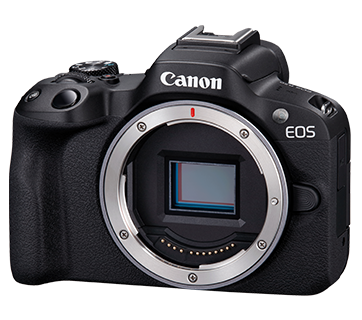
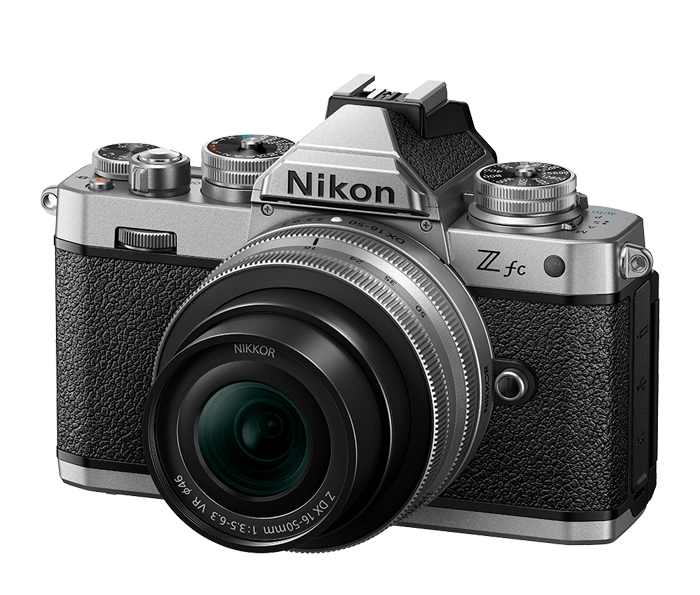
The Canon EOS R50 and the Nikon Z fc are both compelling mirrorless cameras aimed at enthusiasts and aspiring photographers. Canon's R50, released in 2023, offers modern specifications and features that cater to users looking for a lightweight and user-friendly camera. On the other hand, the Nikon Z fc, released in 2021, appeals to those who appreciate vintage styling combined with capable performance. Buyers often face a tough choice between these two models, as they both deliver exceptional image quality and advanced features in the APS-C category. Key differentiators lie in their sensor specifications, autofocus capabilities, overall build quality, and value for the money.
Specifications Comparison
Detailed Comparison
Image Quality
The Canon EOS R50 boasts a 24-megapixel APS-C sensor, delivering slightly higher resolution compared to the Nikon Z fc's 21 megapixels. This makes the R50 potentially better for printing larger images and cropping without noticeable loss of detail. The R50's ISO range of 100-32000 offers good performance in low-light conditions, although the Z fc provides a broader expandable ISO range of 100-51200, which can reach up to 204800 in extreme situations. This extended flexibility allows the Z fc to be advantageous in scenarios where capturing images in darker environments is critical.
In terms of color reproduction and dynamic range, both cameras perform admirably under a variety of settings. However, user preferences may vary, as Canon tends to have a reputation for warm tones while Nikon is often favored for cooler, more neutral color accuracy. Ultimately, while both cameras provide excellent image quality, the Canon EOS R50 edges out with its higher megapixels, but the flexibility of the Nikon Z fc in high ISO sensitivity is noteworthy.
Autofocus System
Autofocus is a crucial feature for photographers, particularly for those who shoot moving subjects or capture fleeting moments. The Canon EOS R50 offers an impressive 651 autofocus points, significantly outpacing the Nikon Z fc's 209 points. This extensive coverage means that the R50 can lock onto a subject more effectively across the frame, providing greater accuracy and speed in various shooting conditions.
The EOS R50 also benefits from Canon's Dual Pixel autofocus technology, which is known for its smooth and reliable focus tracking. In contrast, while the Z fc's autofocus system is competent, with good face detection capabilities, it may struggle with fast-moving subjects when compared to the R50. Therefore, for users focused on action photography or vlogging, the Canon EOS R50 is the clear choice due to its superior autofocus capabilities.
Video Capabilities
Both the Canon EOS R50 and the Nikon Z fc can record 4K video at 30 frames per second, catering well to videographers looking for high-resolution footage. However, the R50 features a more modern approach with its video capabilities, supporting a variety of frame rates and offering smoother recording options without significant crop factors.
In addition, the EOS R50 integrates modern video assistance features, such as customizable shooting modes and Canon's Digic X image processor that optimizes video performance. The Z fc, while also capable and producing competent video output, may lack the extensive video-centric features of the R50, making it generally less appealing to serious video content creators. Therefore, for videographers looking for more versatility and options, the Canon EOS R50 provides a more robust offering.
Build & Ergonomics
Build quality and ergonomics play a significant role in the user experience, especially for extended shooting sessions. The Nikon Z fc is slightly heavier at 445 grams compared to the R50's 375 grams, which may affect portability for some users. However, the Z fc's dimensions provide a more substantial grip, reminiscent of classic film cameras, making it comfortable for those who prefer a vintage aesthetic and tactile feel.
Conversely, the Canon EOS R50 has a more contemporary design and a slightly smaller footprint, appealing to those seeking a lightweight option for travel and everyday use. Both cameras feature electronic viewfinders, although the ergonomics may vary based on personal preference. Ultimately, while both designs accommodate different user groups, the Nikon Z fc offers more in terms of grip comfort, while the R50 provides a sleek and modern user-friendly experience.
Battery & Storage
The Nikon Z fc boasts a battery life rating of approximately 300 shots on a single charge, while the Canon EOS R50 benefits from improved power management, though Canon has not specified an exact figure in the data provided. For users focused on long shooting sessions without the need to swap batteries frequently, this can be a crucial aspect. The ability to shoot more images before requiring a recharge might favor the R50, making it potentially more advantageous for extensive photography trips.
In regard to storage, both cameras utilize SD cards, allowing users to choose between fast write speeds that suit both video and continuous shooting. However, the Canon's more efficient use of battery could mean less downtime during shoots. Consequently, while battery performance remains critical for photographers, the vague data on the R50's battery life indicates that users should consider their shooting habits and environments when choosing between these two options.
Value for Money
The Canon EOS R50 is priced at $679, making it a more budget-friendly option compared to the Nikon Z fc, which retails at $959. For beginners and enthusiasts, the R50 presents a very attractive entry point into mirrorless photography with robust features suitable for varied shooting styles. Its combination of advanced autofocus, slightly higher resolution, and a modern design make it a great choice for those prioritizing value.
While the Z fc's higher price may reflect its vintage aesthetic and solid performance, buyers must weigh whether the added cost justifies the benefits it offers, such as unique design and slightly more flexibility in high-ISO scenarios. Ultimately, when considering overall features versus price, the Canon EOS R50 stands out as the more value-driven option, particularly for those who are relatively new to photography or video.
Our Verdict
In conclusion, the Canon EOS R50 emerges as the overall winner in this comparison, excelling in key areas such as image quality, autofocus performance, and value for money. While the Nikon Z fc holds its own with a classic design and solid video capabilities, it ultimately succumbs to the advantages offered by the more modern EOS R50, particularly for beginners or those seeking a lightweight, feature-rich camera. The R50's advanced specs and lower price point make it the ideal choice for photographers who want a reliable and versatile tool that can grow with them, while the Z fc may still appeal to those who prioritize style and ergonomics.