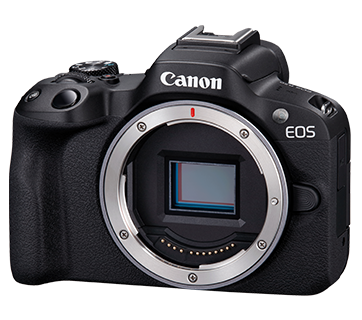

The Canon EOS R50 and the Fujifilm X-H2S are two popular options in the APS-C mirrorless camera market, each attracting amateur photographers and enthusiasts alike. The R50 appeals to those seeking a compact, lightweight camera with a simple user interface, making it suitable for casual shooting. In contrast, the X-H2S targets those who want advanced features, robustness, and high-speed capabilities, catering to serious photographers, videographers, and content creators. These distinctions illustrate that while both cameras serve similar audiences, their core objectives differ significantly, making a direct comparison valuable to potential buyers.
Key differentiators between the two cameras include image quality, autofocus performance, video capabilities, and overall build quality. The R50's affordability and ease of use appeal to beginners, while the X-H2S's advanced features such as superior video specs and stabilization make it a standout choice for professionals. This comparison will delve into these areas to help buyers weigh their options effectively.
Specifications Comparison
Detailed Comparison
Image Quality
Both the Canon EOS R50 and the Fujifilm X-H2S have APS-C sensors, but they vary slightly in terms of specifications. The R50 features a 24-megapixel sensor, while the X-H2S boosts that to 26 megapixels, allowing for marginally higher resolution images. In terms of ISO performance, the R50 has a native range of 100-32000, whereas the X-H2S offers an extended range from 80 all the way to 51200, which means it can perform better in low-light situations. This results in less noise at higher ISO settings for the Fujifilm camera, providing greater versatility for night photography or indoor events.
Additionally, Fujifilm cameras are known for their color science and film simulations, which tend to deliver rich and vibrant colors, often preferred by enthusiasts and professionals alike. The Canon EOS R50, while capable of producing excellent images, does not have a distinct advantage in this area and may require post-processing to achieve that extra depth in colors. Overall, the X-H2S presents more opportunities for image quality, especially in challenging environments.
Autofocus System
Another significant difference arises in the autofocus systems of the two cameras. The Canon EOS R50 boasts an impressive 651 autofocus points, which enhances tracking and subject recognition, especially for moving subjects. This system benefits casual users and beginners who may not have extensive experience with manual focusing techniques. The X-H2S offers a more modest 425 AF points but includes advanced features such as AI-based subject detection, enabling it to reliably track subjects like humans and animals with remarkable precision, especially during video recording.
In real-world testing, the Canon's autofocus is responsive, making it suitable for still photography and casual video use. However, the Fujifilm's advanced AI-assisted tracking and face/eye detection systems provide superior reliability for both photography and video work in dynamic situations. This gives the Fujifilm X-H2S a clear edge when capturing rapid action, making it the better choice for sports and wildlife photography.
Video Capabilities
When it comes to video capabilities, the Fujifilm X-H2S is a powerhouse. It can shoot 4K video at up to 60p, making it suitable for high-quality video production, while the Canon EOS R50 is limited to 4K at 30p. Additionally, the X-H2S supports advanced video features, including 10-bit color depth, which allows for superior post-production flexibility, making it an excellent tool for filmmakers and videographers who require high-end video quality.
The stabilization system in the X-H2S also deserves mention-equipped with in-body stabilization rated at 7 stops, it provides a significant advantage, allowing users to capture smoother footage even when shooting handheld. Conversely, the R50 lacks any form of stabilization, which could result in shakier images during manual shooting. Given these differences, the X-H2S clearly outweighs the R50 in the video department, particularly for users serious about video work.
Build & Ergonomics
The Canon EOS R50 is notably lighter at 375 grams and has a compact design, making it highly portable and user-friendly for beginners or casual shooters. Its dimensions (116 x 86 x 69 mm) allow for easy handling, which is crucial for beginners unfamiliar with larger camera systems. However, the more minimalist build does mean it lacks weather sealing, which can be a concern in challenging environments.
In contrast, the Fujifilm X-H2S, while heavier at 660 grams and bulkier in size (136 x 93 x 95 mm), is constructed with robust materials and offers weather sealing capabilities. This durability is ideal for outdoor photographers who may encounter adverse weather conditions. The X-H2S also boasts a superior grip and more extensive customization, which may appeal to advanced users seeking a more professional feel. While Canon wins on weight and portability, Fujifilm excels in build quality and resilience against the elements, making it a better choice for demanding environments.
Battery & Storage
Battery life is another critical factor for photographers and videographers. The Canon EOS R50 reportedly offers a battery life capable of approximately 400 shots, which is quite satisfactory for casual use. However, the Fujifilm X-H2S leaps ahead with a robust battery life rated for about 580 shots, which benefits those on extended shoots without access to charging facilities.
Both cameras utilize SD card slots for storage; however, the X-H2S supports dual card slots, enabling simultaneous recording or overflow capabilities-this is particularly beneficial for professionals who don't want to risk losing important files. The R50's single card slot may limit some users' workflow efficiency, especially in critical shooting conditions. Given these differences, Fujifilm takes the win in this category, offering greater flexibility and longer shooting sessions.
Value for Money
When it comes to price, the Canon EOS R50 is priced at $679, offering an attractive entry point for beginners and those on a budget. It provides solid features for the price, making it a great choice for casual photography and videography. The compact size and user-friendly experience also contribute to its value proposition, ensuring new users can start shooting without feeling overwhelmed by complexity.
In contrast, the Fujifilm X-H2S, with a price tag of $2499, clearly positions itself as a premium offering with numerous advanced features. While it excels in nearly every technical aspect, its high cost puts it out of reach for many amateur photographers. However, for those who demand performance, flexibility, and longevity in their equipment, the investment may be justifiable. Overall, the R50 offers superior value for beginners, while the X-H2S appeals to a niche market of serious users willing to pay for premium capabilities.
Our Verdict
The overall winner is the Fujifilm X-H2S, which excels in critical areas such as image quality, autofocus performance, video capabilities, build quality, and battery life. For serious photographers and videographers who demand high performance and are willing to invest more, the X-H2S is the clear choice. Conversely, the Canon EOS R50 serves as an outstanding entry-level option, providing excellent value, ease of use, and portability, making it suitable for casual users or new photographers looking to hone their skills without breaking the bank.
Canon EOS R50
Fujifilm X-H2S
Also Compare
Frequently Asked Questions
Is the Canon EOS R50 good for beginners?
Absolutely! The R50 is designed with novice users in mind, featuring an intuitive interface, lightweight body, and a pricing structure that is accessible and appealing to those new to photography.
What type of photography is the Fujifilm X-H2S best for?
The X-H2S is ideal for professional photography and videography, making it great for sports, wildlife, and any situation needing fast autofocus and top-notch image quality, particularly in low-light conditions.
Does the R50 have video stabilization?
No, the Canon EOS R50 does not feature any built-in stabilization, which might result in shakier videos during handheld shooting, making it less favorable for video work.
Can I use Canon EF lenses on the R50?
Yes, with an appropriate adapter, you can use Canon EF lenses on the R50. However, it is designed primarily for RF lenses for optimal performance.
How does the battery life compare between both cameras?
The Fujifilm X-H2S has a superior battery life, capable of approximately 580 shots compared to the R50's 400 shots, making it better suited for extended shooting sessions.