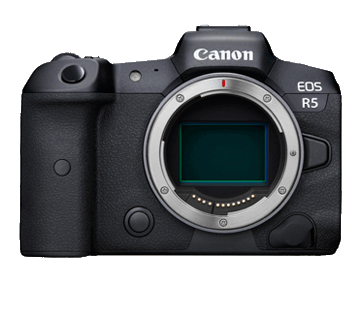

The Canon EOS R5 and the Sony A9 III are two flagship mirrorless cameras that represent the pinnacle of each brand's technology. With their full-frame sensors and advanced features, they are often compared by professional photographers and serious enthusiasts who require high performance in a range of situations, from sports and wildlife photography to videography. Both cameras offer unique strengths that can greatly influence a buyer's choice depending on their specific needs and shooting style, making the comparison essential for informed decision-making.
Key differentiators include sensor resolution, autofocus capabilities, burst shooting speeds, ergonomics, and battery life. The Canon EOS R5 boasts a higher megapixel count suited for detailed images, while the Sony A9 III excels in speed and real-time tracking capabilities. Additionally, the A9 III's more recent release allows it to integrate some of the latest advancements, which may appeal to those seeking the newest technology.
Specifications Comparison
Detailed Comparison
Image Quality
The Canon EOS R5 features a 45-megapixel full-frame sensor, which delivers strikingly detailed images, making it an excellent choice for photographers who prioritize high resolution for large prints or detailed cropping. This higher megapixel count allows for exceptional dynamic range and tonal depth, trying to extract fine details in both highlights and shadows.
In contrast, the Sony A9 III comes with a 25-megapixel full-frame sensor. While lower in resolution compared to the R5, it still provides impressive image quality suitable for various applications. The A9 III focuses on speed and agility, which could be advantageous for action sequences and real-time shooting since files are smaller and easier to handle during fast-paced situations.
Ultimately, while the R5 is a clear winner for high-resolution image quality, the A9 III offers sufficient performance for those who prioritize speed over resolution. If high detail is critical, the Canon EOS R5 stands out as the preferred choice.
Autofocus System
Both the Canon EOS R5 and the Sony A9 III are equipped with sophisticated autofocus systems that cater to fast-paced photography. The R5 features an impressive 1053 autofocus points, which provide a wide coverage for focusing across the frame, suitable for various scenarios including portrait, landscape, and wildlife photography.
The A9 III, on the other hand, excels with its fast phase-detection autofocus system. It is generally regarded as one of the best in its class, allowing up to 120 continuous shots per second with minimal shutter lag, making it an outstanding choice for capturing fleeting moments in sports and action photography.
Due to the exceptional speed and tracking capabilities of the A9 III's autofocus system, particularly in dynamic environments, it effectively claims the title here. Although both cameras perform remarkably well, the A9 III outshines in tracking moving subjects, making it the superior option for photographers heavily focused on action.
Video Capabilities
When it comes to video capabilities, both cameras support 4K video at up to 120 frames per second, making them adept for high-frame-rate videography. The R5, however, boasts additional features like 8K video recording, which opens up new creative avenues for filmmakers and content creators who prefer to work with a higher resolution to downscale in post-production.
Furthermore, the R5 includes advanced video options such as Canon Log, which provides greater flexibility during color grading. This flexibility is appreciated by filmmakers wanting more control over their work.
While the A9 III supports 4K 120p, the absence of 8K recording may limit the versatility for those looking to future-proof their work. In terms of creative video capabilities, the Canon EOS R5 takes the lead, primarily because of its higher resolution and greater range of video features.
Build & Ergonomics
The Canon EOS R5 is designed with a robust weather-sealed body that can withstand varying environmental conditions, making it suitable for outdoor and adventure photography. Its dimensions at 138 x 98 x 88 mm and a weight of 738 grams also provide a substantial grip that many photographers find comfortable over extended shooting sessions.
Conversely, the Sony A9 III, while slightly smaller and lighter at 136 x 97 x 83 mm and 617 grams, also features weather sealing but caters to users who prefer a more compact design without sacrificing essential functionality. Both cameras offer excellent build quality; however, the choice will often come down to personal preference regarding weight and ergonomics.
If portability is more critical to the photographer, the Sony A9 III's lighter design may be preferable. However, the R5's slightly bulkier build could provide a more substantial feel, particularly when using larger lenses.
Battery & Storage
Battery life is a crucial aspect in the field where both of these cameras have different approaches. The Canon EOS R5 offers a battery life of approximately 320 shots per charge, which is somewhat lower than the industry standard for high-performance mirrorless cameras. It utilizes Canon's LP-E6NH battery, which is also compatible with earlier models, providing some flexibility for those upgrading.
The Sony A9 III, being a newer model, features improved battery efficiency and offers an impressive battery life, often reaching around 500 shots, making it more reliable for extended shoots and reducing the frequency of battery changes in the field.
On the storage side, both cameras utilize their respective formats, with the R5 using CFexpress and SD cards for broader compatibility, while the A9 III supports CFexpress Type A and SD, offering speed suitable for high burst rates. In terms of longevity and efficiency, the A9 III's superior battery performance can be a deciding factor for many professionals.
Value for Money
The price of Canon EOS R5 currently sits at around $3899, while the Sony A9 III is also aimed at the premium market as its latest offering. While both cameras are investments in high-end photography, the decision of value for money often depends on the specific features prioritized by photographers.
The R5, with its higher resolution sensor and robust video capabilities, emphasizes versatility for both still and video applications, making it appealing to multimedia creators. On the other hand, the A9 III's focus on speed is attractive for sports and action shooters, potentially making it the better option for niche markets without the extras that the R5 offers.
Considering these factors, photographers looking for comprehensive versatility might find greater value in the R5, while those primarily interested in high-speed action and performance may lean towards the A9 III. The final decision around value rests on the individual's primary needs and shooting style.
Our Verdict
In conclusion, while each camera excels in different areas, the Canon EOS R5 and Sony A9 III cater to distinct types of photographers. The R5 is advantageous for those who require high-resolution images and skilled video performance, establishing itself as a versatile choice for multimedia work. Conversely, the A9 III shines in speed and action, making it ideal for sports and wildlife photographers who value autofocus precision and rapid burst shooting. Ultimately, the decision between these two exceptional cameras comes down to the specific needs and shooting styles of the user, presenting a tie overall in versatility and application.