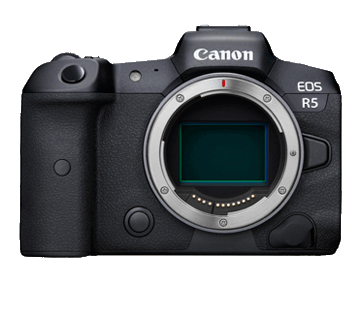

The Canon EOS R5 and the Sony A7S III are two of the most sought-after full-frame mirrorless cameras on the market, catering to a diverse range of photographers and videographers. The Canon EOS R5 stands out with its high-resolution sensor and advanced image quality features, making it ideal for enthusiasts and professionals working with stills. On the other hand, the Sony A7S III is designed with video creators in mind, offering superior low-light performance and videography features. The common ground between these cameras fuels debate among potential buyers, as both target users wanting high performance in their respective areas.
Specifications Comparison
Detailed Comparison
Image Quality
The Canon EOS R5 features a 45-megapixel full-frame sensor, which delivers stunning image quality with remarkable detail capture, making it perfect for landscape, portrait, and commercial photography. Its high pixel count also allows for significant cropping without loss of detail. Additionally, the EOS R5's ISO performance is impressive, with a native range of 100-51200, expandable to 102400, providing versatility in varying light conditions. In contrast, the Sony A7S III has a 12-megapixel sensor optimized for low-light environments. While its resolution is lower than that of the R5, it excels in high ISO performance, with a native range of 80-102400 that expands all the way to 409600. This makes the A7S III an excellent choice for video production in challenging lighting situations. Thus, if high-resolution still images are your priority, the EOS R5 takes the lead. However, for low-light performance and clean high ISO images, the A7S III provides exceptional quality despite its lower resolution.
Autofocus System
The Canon EOS R5 boasts an impressive autofocus system with 1053 AF points, utilizing Dual Pixel CMOS AF II technology. This system offers faster and more reliable focus locking even in challenging environments, thanks to eye-detection autofocus for both humans and animals. The extensive number of autofocus points ensures wide coverage across the frame, improving tracking and focus accuracy for moving subjects. In comparison, the Sony A7S III features 759 phase-detection points paired with contrast-detection to enhance focus accuracy. While the autofocus system is fast and reliable, it may not cover as much area as the R5's system. However, Sony's Real-Time Eye autofocus technology is robust and offers excellent performance for both humans and animals, making it a solid performer in its own right. While both systems excel, the EOS R5's superior number of AF points lends to slightly better performance in diverse shooting situations, establishing it as the better autofocus choice.
Video Capabilities
Both the Canon EOS R5 and the Sony A7S III excel in video capabilities, offering 4K video at 120 frames per second. However, the R5 can also shoot 8K video, a feature that provides a significant edge for professional filmmakers looking for high-resolution footage. The R5 features advanced video recording options, including C-Log and HDR capabilities. On the contrary, the Sony A7S III's strength lies in its handling of high ISO settings and dynamic range, making it an excellent choice for filmmakers who operate in low-light conditions. It also features S-Cinetone color rendering, which is well-regarded for creating great skin tones straight out of the camera, saving time in post-production. In this head-to-head, though both cameras offer exceptional video capabilities, the EOS R5 wins due to its 8K recording, particularly for users seeking that additional resolution in their projects.
Build & Ergonomics
Both the Canon EOS R5 and Sony A7S III are built to professional standards, featuring weather-sealed designs that offer protection against dust and moisture. The R5 is slightly larger and heavier at 738 grams compared to the A7S III's 699 grams, which may influence portability, particularly for long shoots. The dimensions of the R5 (138 x 98 x 88 mm) provide a grip that some users find more comfortable, especially during extended use. Furthermore, both cameras have electronic viewfinders and tilting touchscreens, but the R5's screen is larger at 3.2 inches with 2,100,000 dots compared to the A7S III's 3 inches and 1,440,000 dots. This can make a difference in setup ease and focus accuracy in the field. While both cameras are well-designed with ergonomics in mind, the Canon EOS R5's slightly larger display and comfortable grip could provide an advantage for longer shooting sessions.
Battery & Storage
The Canon EOS R5 features a CIPA-rated battery life of approximately 320 shots, which is somewhat on the lower side compared to the A7S III. The R5 uses the LP-E6NH battery, which is compatible with a wide range of Canon cameras and ensures that users can find easily replaceable batteries. Conversely, the Sony A7S III excels with a battery life rated at 600 shots, significantly benefiting those who shoot extensively on location without frequent access to charging solutions. It utilizes the Z-type battery, known for its longevity. Additionally, both cameras accommodate dual card slots, but the A7S III supports CFexpress Type A cards, allowing for faster read and write speeds that cater to high-bitrate video recording. In this category, the A7S III clearly takes the win, with superior battery life and faster storage options that favor long shooting days.
Value for Money
The Canon EOS R5 is priced at $3899, reflecting its high-resolution capabilities and advanced hybrid features suitable for both videographers and photographers. Given its performance, the price is justified, particularly for professionals needing a versatile tool capable of delivering top-notch image quality. On the other hand, the Sony A7S III retails for $3499, making it a more attractive option for dedicated videographers with its renowned low-light capabilities and focus on video features. While both cameras are high-end options, the A7S III's pricing may offer better value for those solely focused on videography due to its specialized features and lower cost. Considering price versus performance, the Sony A7S III earns the title of better value, particularly for specific use cases focused on video.
Our Verdict
The Canon EOS R5 emerges as the overall winner due to its superior image quality, autofocus capabilities, and additional video features like 8K recording. It is well-suited for hybrid shooters who require high-resolution stills and advanced video functionality. However, the Sony A7S III offers excellent value, particularly for dedicated videographers, thanks to its exceptional low-light performance and longer battery life. Users need to consider their primary focus, whether it's high-resolution stills or videography, as both cameras excel in their respective domains.
Canon EOS R5
Sony A7S III
Also Compare
Frequently Asked Questions
Which camera is better for low light photography?
The Sony A7S III is designed specifically for low light performance, with a larger acceptable ISO range and better handling of noise at high ISO settings.
Is the Canon EOS R5 worth the extra cost?
If you are a hybrid shooter looking for high-resolution images along with advanced video features, the EOS R5 is worth the investment. If you primarily shoot video, the A7S III may be the more affordable option.
How do the video capabilities compare?
Both cameras can shoot 4K at 120fps, but the EOS R5 also offers 8K recording, appealing to professionals looking for extreme resolutions.
Which camera is heavier?
The Canon EOS R5 is slightly heavier at 738 grams, compared to the Sony A7S III, which weighs 699 grams, making the A7S III more portable for extended use.
What are the battery lives like?
The A7S III offers a better battery life of 600 shots compared to the R5's 320 shots, making it more suitable for long shooting sessions without recharging.