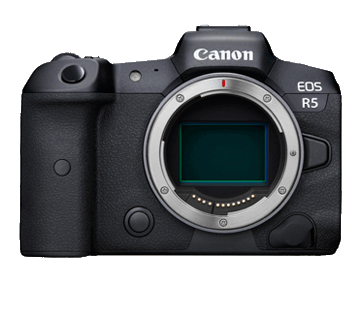
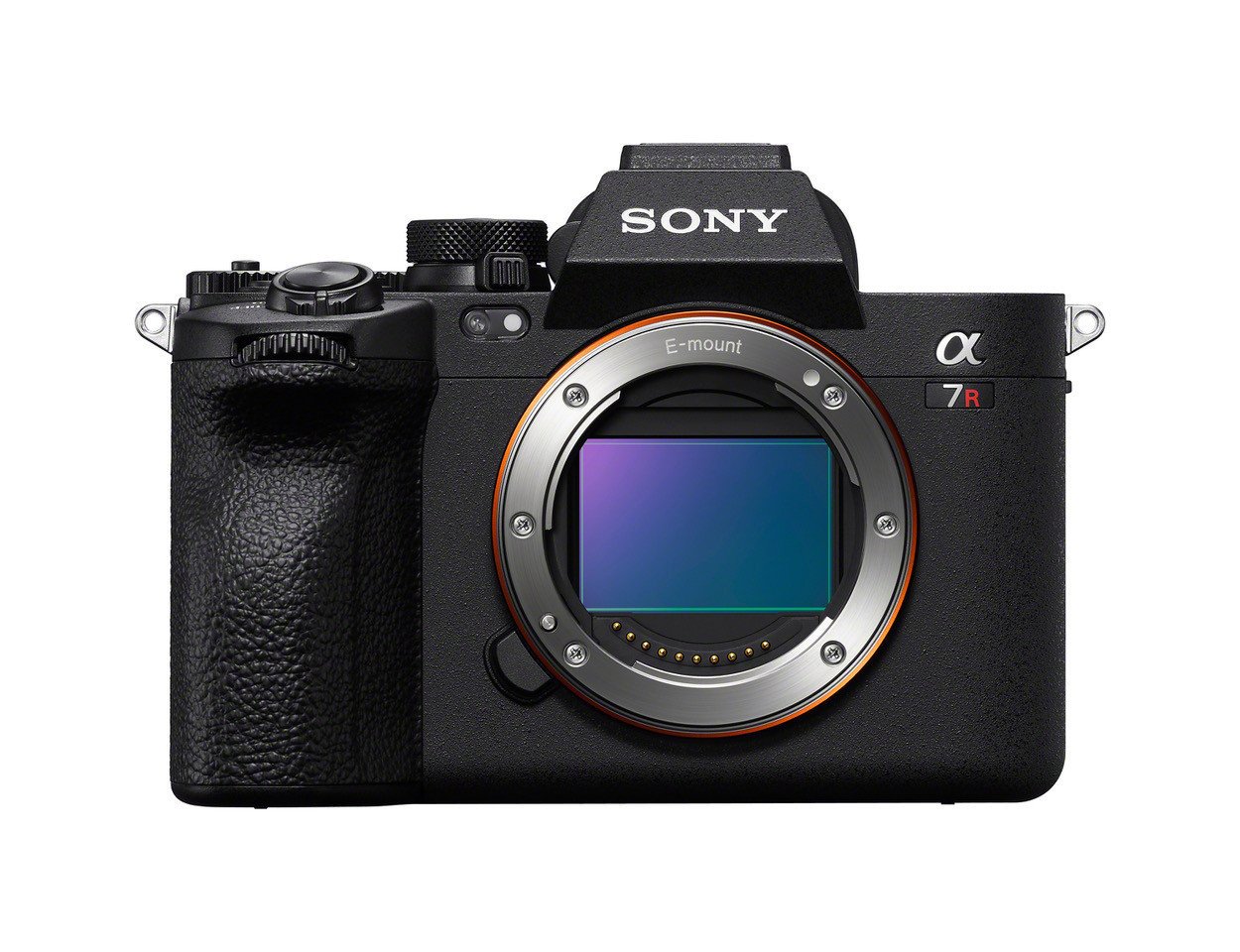
The Canon EOS R5 and Sony A7R V are among the top full-frame mirrorless cameras on the market, commonly compared by professional photographers and enthusiasts alike. Both cameras cater to a wide range of photography genres, including portrait, landscape, and wildlife, making them appealing to those who demand high quality in imaging, build, and functionality. The comparison not only highlights differences in specifications but also aims to provide insights into how each camera performs in real-world scenarios. Key differentiators, such as resolution, autofocus capabilities, video features, and battery performance, play significant roles in choosing between the two systems.
Specifications Comparison
Detailed Comparison
Image Quality
When it comes to image quality, the Sony A7R V takes the lead with its 60 megapixels, offering an incredible level of detail that surpasses the 45 megapixels of the Canon EOS R5. This higher resolution can be particularly advantageous for large prints or extensive cropping without sacrificing image integrity. However, the Canon R5 still produces stunning images, especially in low-light conditions due to its wider ISO range extending up to 102400 compared to the A7R V's maximum of 102400. While both cameras produce exceptionally vibrant colors and sharp details, the lesser resolution of the R5 may result in a smoother experience for standard-sized prints or social media sharing. It's important to note that real-world performance can be influenced by the lenses used and the shooting conditions.
Autofocus System
The Canon EOS R5 boasts an impressive autofocus system with 1053 AF points, providing highly accurate focus across the frame. This makes it an excellent choice for fast-moving subjects, such as wildlife or sports photography. In contrast, the Sony A7R V has 693 autofocus points, which is also robust, but it may not match the coverage and responsiveness of the R5 in fast scenarios. Nonetheless, the A7R V's autofocus benefits from Sony's exceptional Eye-AF technology that tracks subjects with precision, especially in portrait photography, making it a strong contender. Overall, while both systems are highly capable, the extensive AF points and responsiveness of the R5 typically give it a slight edge in diverse shooting conditions.
Video Capabilities
For videographers, the Canon EOS R5 offers a more versatile experience with 4K video recording at 120p, allowing for high frame rate slow-motion capture. It is also capable of 8K video recording, further showcasing its prowess for high-resolution video work. In contrast, the Sony A7R V supports 4K at 60p, which may suffice for many creators, but lacks the higher frame rate capabilities that may be essential for dynamic content. Both cameras feature in-body stabilization, rated at 8 stops, giving stability during handheld footage, but the R5's superior video specs make it the stronger choice for advanced videographers.
Build & Ergonomics
Both the Canon EOS R5 and Sony A7R V are built with a sturdy, weather-sealed design, appealing to outdoor photographers. The R5 is slightly bulkier and heavier, weighing in at 738g compared to the A7R V's 723g, which may affect portability for some users. Both models have similar dimensions, with the R5 being slightly larger. The handling experience varies as well; Canon's users often appreciate the more pronounced grip and button layout, which can enhance usability during longer shooting sessions. Alternatively, the A7R V has an excellent build quality and a more compact design, making it easier to carry for extended periods. Ultimately, comfort can be subjective, and preferences may depend on the user's hand size and familiarization with each brand.
Battery & Storage
In terms of battery performance, the Sony A7R V stands out with a notably higher battery life of approximately 530 shots compared to the R5's 320 shots. This extended battery life can be crucial for long sessions in the field, reducing the need for frequent battery changes. Both cameras use high-capacity batteries (the Sony NP-FZ100 and Canon LP-E6NH), but the A7R V has a clear advantage here. Storage options are similar, as both cameras allow dual card slots, which can be essential for professional workflows, especially with high-resolution images. However, the longer-lasting battery could influence buyers who prioritize operational longevity in the field.
Value for Money
Both cameras are priced similarly, with the Canon EOS R5 at $3899 and the Sony A7R V at $3900. Considering the specifications, such as the resolution and video recording capabilities, buyers may feel that the A7R V provides slightly better value for those emphasizing higher resolution images. However, the R5's advanced video capabilities and superior autofocus can justify its price for professionals needing versatility in both photography and videography. Depending on user needs for resolution or video specs, the perceived value may vary, but both represent substantial investments in high-end mirrorless systems.
Our Verdict
Overall, the Canon EOS R5 edges out the Sony A7R V in several critical areas, particularly in autofocus and video capabilities, making it the preferred choice for versatility in both photography and videography. However, the A7R V excels in resolution and battery life, appealing to those who prioritize high-detail images and longer operational sessions. Depending on the specific needs, both cameras offer exceptional performance; the R5 is ideal for those seeking a hybrid camera, while the A7R V suits users who focus heavily on resolution and standalone photography.
Canon EOS R5
Sony A7R V
Also Compare
Frequently Asked Questions
Which camera is better for high-resolution photography?
The Sony A7R V, with its 60 megapixels, offers superior resolution compared to the Canon EOS R5's 45 megapixels, making it the better choice for high-resolution photography.
Is the Canon EOS R5 suitable for videography?
Yes, the Canon EOS R5 is highly suitable for videography, offering 4K recording at 120p and 8K capabilities, providing versatility for video creators.
Which camera has better autofocus performance?
The Canon EOS R5 features more autofocus points (1053) compared to the A7R V (693), generally providing better coverage and responsiveness for fast-moving subjects.
How do the battery lives compare?
The Sony A7R V has a significantly longer battery life, offering around 530 shots per charge, while the Canon EOS R5 offers approximately 320 shots.
Are both cameras weather-sealed?
Yes, both the Canon EOS R5 and Sony A7R V are weather-sealed, making them suitable for outdoor photography under various conditions.
What is the price difference between the two cameras?
The Canon EOS R5 is priced at $3899, and the Sony A7R V is just slightly higher at $3900, making them competitively priced within the high-end mirrorless camera market.