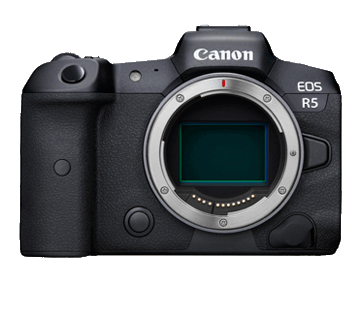
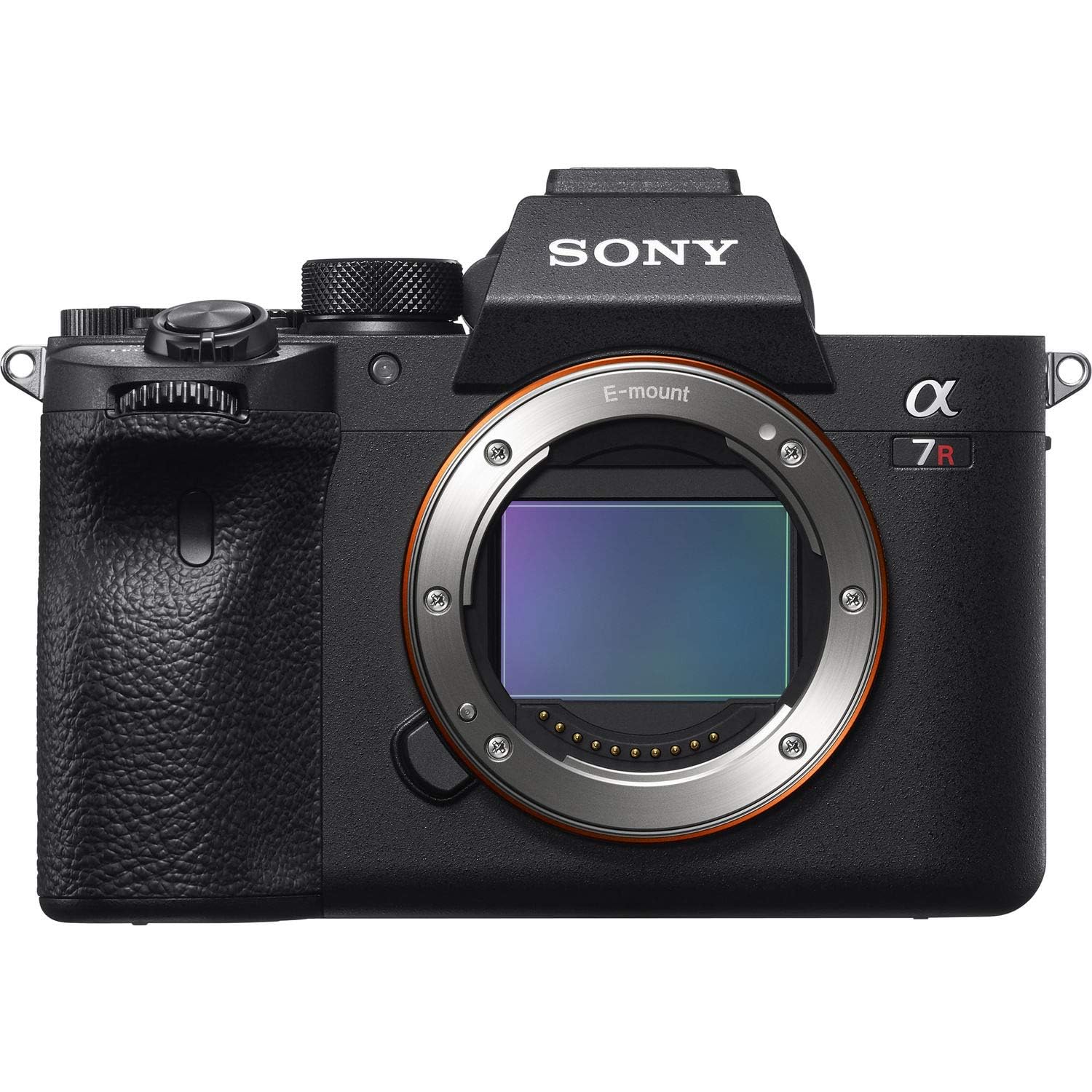
The Canon EOS R5 and Sony A7R IV are two of the most sought-after full-frame mirrorless cameras available on the market today. Both models cater to advanced photographers and videographers looking for excellent image quality, high performance, and robust features. With the Canon EOS R5 launched in 2020 and the Sony A7R IV in 2019, these cameras often find themselves in head-to-head comparisons among enthusiasts and professionals. Key factors influencing a buyer's decision include resolution, autofocus systems, video capabilities, and overall ergonomics.
Specifications Comparison
Detailed Comparison
Image Quality
When it comes to image quality, the Canon EOS R5 boasts a 45-megapixel sensor, slightly lower than the Sony A7R IV, which delivers a staggering 61 megapixels. This means that while the R5's resolution is impressive, the A7R IV is aimed at those who require the utmost detail, particularly for large print work or cropping. Both cameras deliver excellent dynamic range and color accuracy, but the A7R IV's higher resolution can capture finer details in high-resolution scenarios, arguably making it the better choice for specific professional applications.
In real-world use, however, the R5 performs exceptionally well at higher ISO settings, with an ISO range of 100-51200 (expandable to 102400) compared to the A7R IV's 100-32000 (expandable to 50-102800). This trait enhances the R5's ability to produce cleaner images in low-light situations, giving it a slight edge in various lighting conditions.
Ultimately, those prioritizing resolution might lean towards the A7R IV, while those focusing on versatility and superb low-light performance may find the R5 more appealing. Both cameras deliver superb image quality across their specifications, making this category competitive.
Autofocus System
The Canon EOS R5 features an advanced autofocus system with 1053 AF points, offering superior tracking performance, especially with moving subjects. This makes it particularly attractive to sports and wildlife photographers, who benefit from consistent and rapid focus during dynamic shooting situations. On the other hand, the Sony A7R IV, while equipped with fewer autofocus points (567), still offers a robust system with accurate eye focus technology that has become a favorite for portrait and event photography.
In practice, both models provide excellent autofocus capabilities with fast acquisition times. The R5 also incorporates subject tracking innovative machine learning technology. Yet the overall complexity and performance of the Canon's system in challenging lighting scenarios slightly edge out the A7R IV in terms of versatility and usability, particularly in difficult conditions.
For users who prioritize sports and action photography, the R5 will likely serve better, whereas those focused on studio and portrait photography may appreciate the A7R IV's effective eye detection features. Both options showcase strengths, but the R5's wider autofocus point coverage provides an advantage in terms of flexibility.
Video Capabilities
Video features are a significant differentiator between these two cameras. The Canon EOS R5 excels in this category with 4K video capabilities up to 120 frames per second, allowing for stunning slow-motion footage. It offers support for 10-bit 4:2:2 video output over HDMI, thus appealing to content creators and professionals who require high-quality video recording standards. Additionally, the R5 includes advanced features like in-body stabilization and various recording formats, adding heaps of value for videographers.
In contrast, the Sony A7R IV is limited to 4K video at 30 frames per second, which, while still capable, does not match the high frame rate options available in the R5. The A7R IV supports 10-bit 4:2:0 recording, but for professionals focusing heavily on video production, it may feel somewhat restrictive compared to the R5.
Overall, the Canon EOS R5 stands out as the superior option for videographers wanting to explore creative filmmaking, while the A7R IV, although acceptable for video, caters to those whose primary focus remains on high-resolution photography.
Build & Ergonomics
Both the Canon EOS R5 and the Sony A7R IV showcase a solid build quality, with weather sealing that ensures durability against the elements. The R5 is slightly heavier at 738 grams compared to the A7R IV's 665 grams, which may be a consideration for those who favor a lightweight camera for extended shooting sessions. The dimensions also reflect this difference, with the R5 being marginally larger, which could impact handling, particularly for those with smaller hands.
In terms of ergonomics, many photographers appreciate the grip and button layout of the R5, which incorporates a large, tilting touchscreen with higher resolution graphics, making operation intuitive and user-friendly. On the other hand, the A7R IV presents a minimalist approach that some may find sleek but, depending on preference, could lead to a steeper learning curve for less experienced users.
Ultimately, personal preference for grip size and ergonomics will guide user choice; the A7R IV may be more appealing to those preferring a lighter system, while the R5 offers a grip that supports extensive use.
Battery & Storage
The battery life is a crucial factor for many photographers, and here the Sony A7R IV outperforms the Canon EOS R5 significantly, offering a rated battery life of 670 shots compared to the R5's 320 shots per charge. This discrepancy may influence workflow for users who shoot for long periods without access to charging facilities, such as event photographers or those on extended shoots in the field.
Storage options are worth noting too; both models utilize high-speed SD cards, supporting UHS-II for faster write speeds. However, the R5 has dual card slots, providing more flexibility and safety for storing high-resolution images and videos-a feature particularly beneficial for professional work where redundancy is crucial.
Given the limitation in battery life, the A7R IV may attract those who prioritize long shooting sessions, but the dual card slots in the R5 provide a critical edge for managing storage effectively in professional photography.
Value for Money
In the realm of price, the Canon EOS R5 comes with a higher price tag of $3899, making it a premium investment for photographers who require top-tier features and performance. Conversely, the Sony A7R IV, priced at $3500, presents a more budget-friendly alternative while still providing impressive performance, particularly in resolution and dynamic range.
For those just entering the professional scene or valuing quality over extreme specifications, the A7R IV offers a compelling value, particularly given its robust image quality and adequate features for both photography and videography. Meanwhile, the R5's additional features, particularly in video capabilities, may justify its higher price for users who can leverage its unique functions efficiently.
Ultimately, buyers will need to weigh their specific needs against the financial investment; those seeking high-resolution images and robust performance may find the A7R IV to be a more prudent purchase, while those focused on the highest level of innovation and video capabilities might deem the R5 worth the extra cost.
Our Verdict
After careful analysis, the Canon EOS R5 comes out as the overall winner due to its superior video capabilities, more advanced autofocus system, and better low-light performance. While the Sony A7R IV offers higher resolution and better battery life, the R5 is more versatile for both photographers and videographers alike. The choice ultimately comes down to the user's specific needs: those focused on resolution and battery longevity may prefer the A7R IV, while users seeking cutting-edge technology and video performance will lean toward the R5.
Canon EOS R5
Sony A7R IV
Also Compare
Frequently Asked Questions
Which camera is better for low-light photography?
The Canon EOS R5 has better low-light performance due to its wider ISO range and superior autofocus in low-light conditions.
Is the higher price of the Canon EOS R5 justified?
The R5 offers enhanced video capabilities, better autofocus, and versatile features that many videographers and high-end photographers find worth the investment.
How do the video capabilities differ between the two cameras?
The R5 supports 4K at up to 120p, while the A7R IV is limited to 4K at 30p, making the R5 a superior choice for advanced videography.
Can the A7R IV compete with the R5 for professional work?
Absolutely, the A7R IV's high resolution and excellent image quality make it highly suitable for professional photography, especially where detail is paramount.
Which camera has better battery life?
The Sony A7R IV significantly outperforms the R5 in battery life, rated at 670 shots compared to the R5's 320.