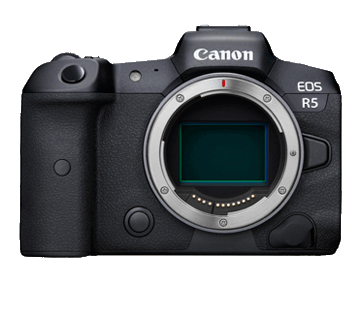
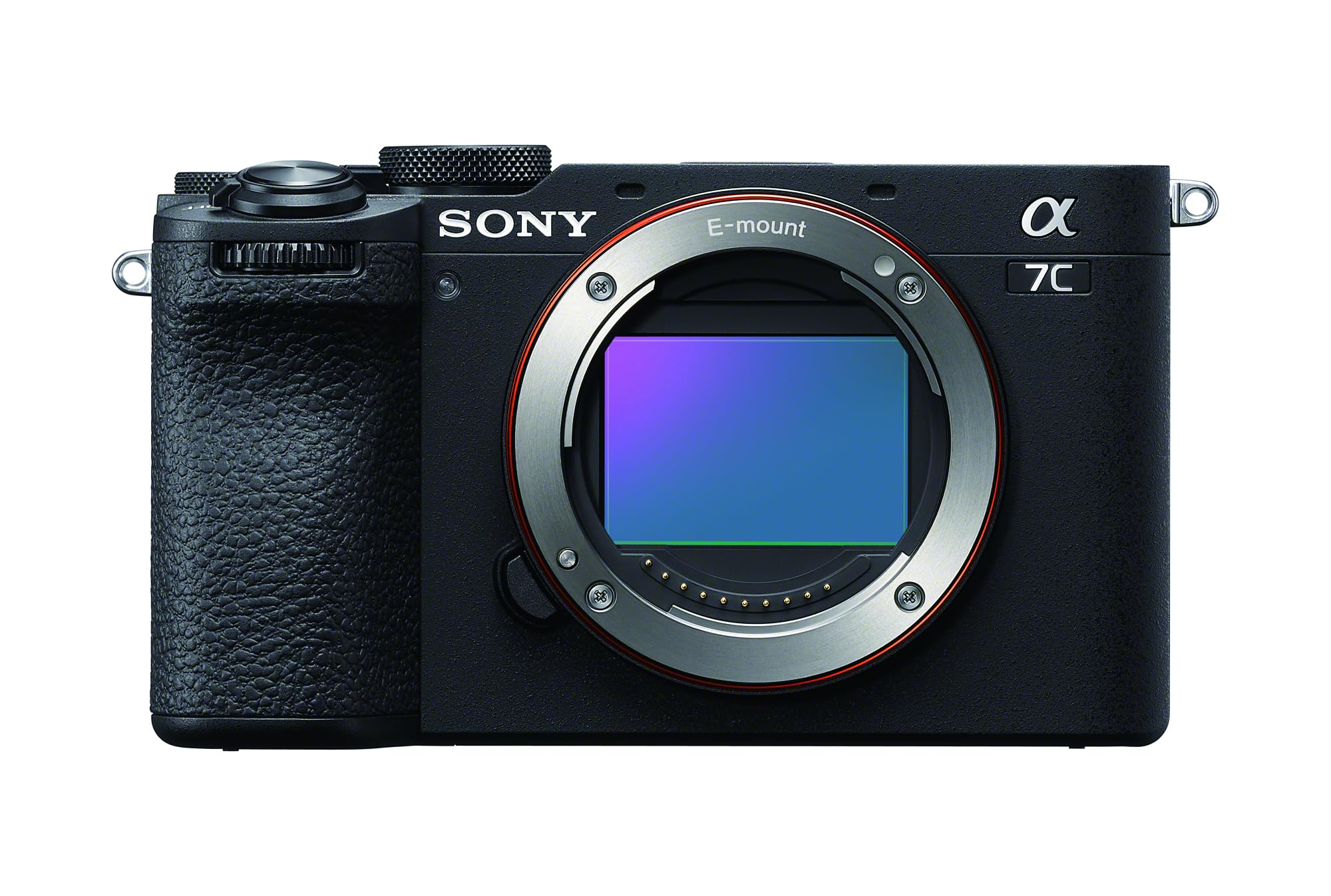
The Canon EOS R5 and the Sony A7C II are two powerful full-frame mirrorless cameras that target photographers and videographers looking for top-tier performance and versatility. Both models cater to advanced users, from professionals to enthusiasts serious about imaging quality and features. The EOS R5, released in 2020, has established itself as a flagship model with its impressive specifications, particularly in resolution and video capabilities. On the other hand, the A7C II, released in 2023, offers a compact design along with modern features, appealing to those who prioritize portability without sacrificing performance. As buyers evaluate these two options, key differentiators come down to image quality, autofocus performance, video capabilities, build quality, battery life, and overall value for money.
Specifications Comparison
Detailed Comparison
Image Quality
The Canon EOS R5 boasts a higher resolution with its 45-megapixel full-frame sensor, delivering exceptionally detailed images that are ideal for large prints and cropping flexibility. This sensor also stands out for its performance in low light, offering a native ISO range of 100-51,200, which expands to 102,400. In contrast, the Sony A7C II features a 33-megapixel sensor, which, while slightly lower in resolution, still performs competitively, especially at higher ISO settings, thanks to its extended range reaching 204,800. Both cameras provide excellent dynamic range and color accuracy, making them suitable for a variety of shooting conditions.
Real-world performance highlights the strengths of each camera: the R5's high resolution significantly benefits landscape, studio, and commercial photographers who require fine detail, while the A7C II strikes a balance that works well for event photography where speed and agility are critical. Overall, users who prioritize maximum resolution and detail will lean towards the EOS R5, while those who find the lower resolution acceptable may appreciate the slight edge in high-ISO performance on the A7C II due to its newer sensor technology.
Autofocus System
The Canon EOS R5 features an impressive autofocus system with 1,053 points, which translates to exceptional coverage and accuracy. Its Dual Pixel AF system allows for reliable face and eye detection, making it particularly effective for portrait and action photography. The camera's focus speed is quick and responsive, appealing to both stills and video users.
In comparison, the Sony A7C II's autofocus system includes 759 points, which still provides commendable performance but does not match the extensive coverage of the R5. However, it incorporates improvements over its predecessor, especially in real-time tracking and animal eye autofocus, making it a strong contender for wildlife and sports shooting. Users often report that the precision and tracking consistency of the A7C II is excellent, though slightly less comprehensive than the R5's.
Both systems perform admirably, but the EOS R5 offers a broader range with more points, making it the winner in an autofocus showdown, especially for users looking to capture fast-moving subjects in varied conditions.
Video Capabilities
When it comes to video performance, the Canon EOS R5 is a powerhouse, supporting up to 4K video at an impressive 120 frames per second, making it well-suited for high-frame-rate video projects. It also provides extensive features like C-Log for improved dynamic range, 10-bit 4:2:2 recording, and advanced tools for videographers, solidifying its position as a top choice for filmmakers.
The Sony A7C II, while slightly limited in comparison, still offers robust video features, including 4K recording up to 60 frames per second and 10-bit 4:2:2 output. It also has in-body stabilization that performs well, enhancing handheld shooting scenarios. However, for those who focus on high-end video production, the R5's capabilities are richer, making it more appealing for professionals and serious creatives.
In the realm of video, the EOS R5 decisively takes the lead, especially for those looking to leverage high frame rates and advanced video features in their work.
Build & Ergonomics
The Canon EOS R5 emphasizes durability and professional ergonomics, sporting a robust weather-sealed body weighing in at 738 grams, which feels solid in hand. Its larger size accommodates a comfortable grip and provides ample control buttons, making it suitable for extended shooting sessions. Additionally, the R5 features a high-resolution electronic viewfinder (EVF) and an articulate touchscreen, enhancing usability for various shooting angles.
The Sony A7C II, on the other hand, is designed with portability in mind, weighing significantly less at 514 grams. Its compact size makes it easier to carry around, which is a major plus for travel photographers or those who prefer a lighter setup. However, the tradeoff is that the smaller body can feel cramped during prolonged use. The A7C II also has solid weather-sealing and an electronic viewfinder, but the smaller screen and viewfinder resolution are areas where Canon's R5 excels.
In the context of build and ergonomics, it will largely come down to user preference-those seeking a sturdy, professional body may prefer the R5, while those who value a lightweight and compact system may opt for the A7C II.
Battery & Storage
The Canon EOS R5 features a CIPA-rated battery life of approximately 320 shots, which can be a limitation for long shoots or events without access to charging. It supports dual card slots, allowing for simultaneous recording and backup with CFexpress and SD UHS-II cards, which is beneficial for high-volume shooters.
In contrast, the Sony A7C II boasts an impressive battery life of around 540 shots, making it a strong option for extended use without frequent recharging. It also supports dual card slots, but only for SD UHS-II cards. This can still cater well to most users' needs but lacks the speed benefits available through CFexpress used in the R5.
When considering battery endurance and storage options, the A7C II offers greater shot capacity, thus giving it the edge for long shooting days, though both systems are well-equipped for wedding or event photography with dual-card slots.
Value for Money
With a price point of $3,899, the Canon EOS R5 positions itself as a high-end camera that offers professional-level features and performance. This makes it a worthwhile investment for serious photographers and filmmakers looking for cutting-edge technology, high resolution, and versatile features that justify the high cost.
On the other hand, the Sony A7C II, priced significantly lower at $2,200, presents excellent value for entry-level full-frame users or those looking for a compact system that can still deliver solid performance. It strikes a balance between affordability and capability, making it a strong choice for content creators who prioritize portability along with good image quality.
In terms of overall value, while the R5 justifies its price for those who need advanced specifications, the A7C II provides an attractive option for those on a budget or who are starting their photographic journey. Thus, for individuals weighing cost against capability, the A7C II emerges as the better value choice.
Our Verdict
Overall, the Canon EOS R5 emerges as the winner due to its superior image quality, autofocus capabilities, and advanced video features, making it ideal for professional photographers and creatives looking to maximize their output. The A7C II, while commendable with its lightweight design and exceptional battery life, does not completely match the R5's qualifications in terms of performance and creative versatility. Therefore, while the A7C II is an excellent value and suitable for casual users and travelers, the Canon EOS R5 is the top choice for those seeking uncompromising quality and advanced features.
Canon EOS R5
Sony A7C II
Also Compare
Frequently Asked Questions
Which camera is better for low light performance?
The Canon EOS R5 typically excels in low light conditions due to its higher resolution and sensor performance. However, the Sony A7C II also handles low light well, particularly at higher ISO settings.
Is the video performance significantly better in the EOS R5?
Yes, the R5 supports 4K at 120fps and offers more advanced recording features compared to the A7C II, which maxes out at 4K 60fps.
Which camera is lighter and more compact?
The Sony A7C II is notably lighter and more compact, making it a better choice for photographers who prioritize portability.
Do both cameras support dual card slots?
Yes, both the Canon EOS R5 and Sony A7C II feature dual card slots. The R5 uses CFexpress alongside SD cards, offering faster write speeds.
Which camera offers better autofocus points?
The Canon EOS R5 has a higher number of autofocus points (1,053) compared to the Sony A7C II (759), making it more versatile for action photography.