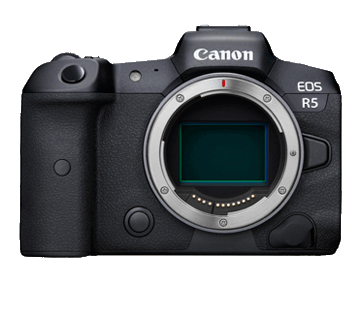
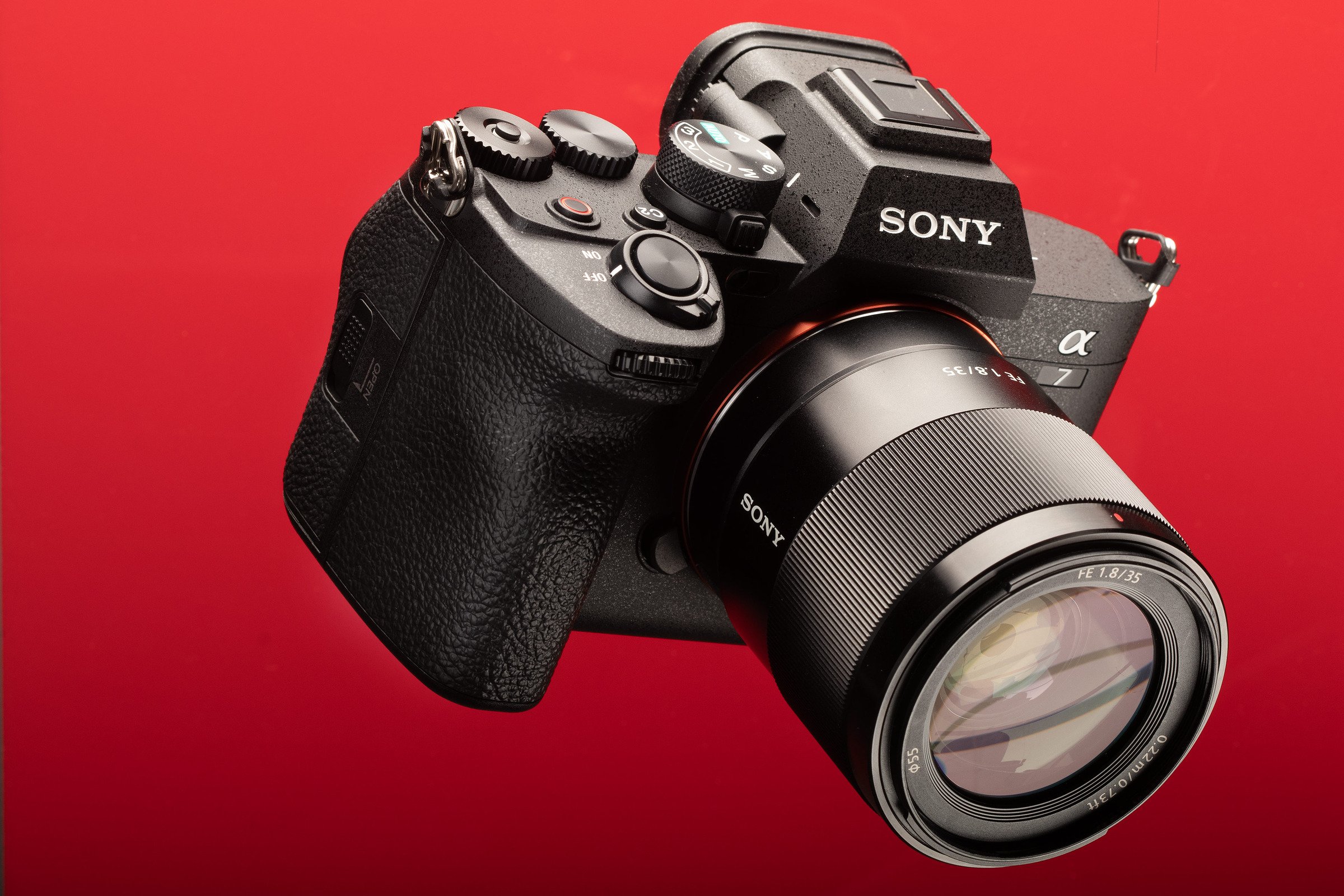
The Canon EOS R5 and Sony A7 IV are two of the most popular full-frame mirrorless cameras on the market, often compared by photographers and videographers alike due to their high performance and advanced features. The R5 appeals to those looking for unparalleled image quality and advanced video capabilities, while the A7 IV offers great versatility and a more competitive price point. Both cameras cater to a wide range of users from professionals to enthusiasts, making the choice between them a nuanced one.
Specifications Comparison
Detailed Comparison
Image Quality
The Canon EOS R5 boasts a high-resolution 45-megapixel sensor which allows for stunning detail and dramatic cropping flexibility, making it an excellent choice for landscape and portrait photographers alike. Its full-frame (36 x 24 mm) sensor delivers vibrant colors and impressive low-light performance, especially at its base ISO settings. In comparison, the Sony A7 IV features a 33-megapixel sensor, which, while slightly lower in resolution, still provides excellent image quality and a dynamic range that most photographers would find very satisfying. The A7 IV's sensor measures 35.6 x 23.8 mm, making it marginally smaller than the R5's. Both cameras perform well in low-light conditions, but the Canon has the edge when it comes to resolving finer details due to its higher megapixel count.
Autofocus System
Canon's EOS R5 features an impressive autofocus system with 1,053 AF points, delivering fast and accurate focusing across a wide area. Its Dual Pixel CMOS AF is highly effective, making it excellent for tracking moving subjects, a crucial feature for wildlife and sports photographers. The Sony A7 IV, on the other hand, also has a sophisticated autofocus system with 759 phase-detection points. While it may have fewer points than the R5, Sony's Real-Time Eye Autofocus is considered industry-leading, making it ideal for portrait and wildlife photography. Both systems are robust and capable, but in fast-paced shooting environments, the Canon R5's greater number of AF points can provide superior coverage and accuracy.
Video Capabilities
The Canon EOS R5 is a powerhouse for video, offering 4K recording at up to 120p with no crop, which is particularly appealing for filmmakers looking to achieve smooth slow-motion effects. Additionally, it supports 10-bit 4:2:2 internal recording, giving creators more flexibility in post-production. The Sony A7 IV also supports 4K video but is limited to 60p, which may suffice for many users, but it doesn't surpass the R5 in high-frame-rate recording. Both cameras feature excellent in-body stabilization, however, the R5 offers an impressive 8 stops of stabilization compared to the A7 IV's 5.5 stops, which may make the R5 more favorable for handheld shooting in dynamic environments.
Build & Ergonomics
Both cameras have a sturdy build quality and are weather-sealed, providing durability for outdoor shooting conditions. The Canon EOS R5 weighs slightly more at 738 grams, but it has a slightly larger grip that many users find comfortable for extended shooting sessions. The dimensions of the R5 (138 x 98 x 88 mm) also support a larger screen, which is a plus for those who prefer using the LCD for shooting. The Sony A7 IV, at 659 grams and dimensions of 131 x 96 x 80 mm, is a bit more compact and lighter, which could appeal to traveling photographers. Overall, while the R5 offers a more premium feel, the A7 IV's lighter weight and comfortable ergonomics make it a worthy competitor.
Battery & Storage
When it comes to battery performance, the Sony A7 IV excels with a rating of approximately 580 shots on a single charge, compared to the Canon EOS R5, which offers only around 320 shots. This extended battery life can be critically beneficial for photographers on long shoots or in situations where charging options are limited. Furthermore, both cameras use dual card slots for storage, but the A7 IV supports CFexpress Type A and SD UHS-II cards, increasing flexibility for different workflows. While the R5 does have dual slots as well, it primarily operates with CFexpress Type B and SD UHS-II cards, which are generally more expensive.
Value for Money
The pricing also sets these two models apart significantly; the Canon EOS R5 retails for approximately $3,899 while the Sony A7 IV is priced at about $2,499. Given the much lower price point of the A7 IV, it represents a more accessible option for many photographers, especially those new to full-frame mirrorless systems. While the R5 provides capabilities that may suit high-end professionals, the A7 IV's feature set strikes a solid balance between performance and affordability. Overall, for budget-conscious consumers, the A7 IV offers excellent value, whereas the R5 appeals more to those who require advanced features and are willing to invest substantially.
Our Verdict
In conclusion, while both the Canon EOS R5 and Sony A7 IV are exceptional full-frame cameras, the R5 edges ahead thanks to superior image quality, more advanced video capabilities, and an outstanding autofocus system. For professional photographers and filmmakers who demand the highest performance and are willing to invest, the R5 is undeniably a better option. However, the A7 IV offers a compelling choice for those who prioritize value for money, portability, and impressive battery life, making it ideal for enthusiasts and those who do not require the full extent of the R5's capabilities.
Canon EOS R5
Sony A7 IV
Also Compare
Frequently Asked Questions
Which camera is better for video recording?
The Canon EOS R5 is better for video recording, offering 4K 120p support, while the Sony A7 IV is limited to 4K 60p. Both cameras provide excellent quality, but the R5 is more suitable for advanced video projects.
Is the Canon EOS R5 worth its higher price tag?
The R5's advanced features such as higher resolution, superior autofocus, and video capabilities make it worth the investment for professional use, while enthusiasts may find the A7 IV sufficient for their needs.
How does low-light performance compare between the two models?
Both cameras perform well in low light, but the R5's greater megapixel count can provide slightly better detail retention in high ISO settings.
Which camera has a better autofocus system?
While both cameras have strong autofocus systems, the Canon R5 has more autofocus points, making it potentially more effective for fast-moving subjects, while the Sony A7 IV excels in real-time eye tracking.
Can I use Canon EF lenses on the R5?
Yes, with an appropriate adapter, you can use Canon EF lenses on the R5, giving you access to a broad lens ecosystem without sacrificing performance.