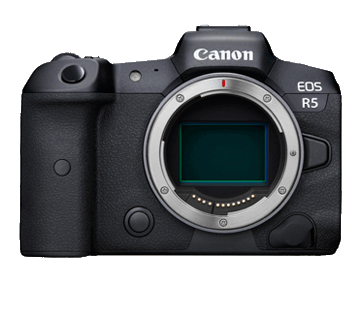
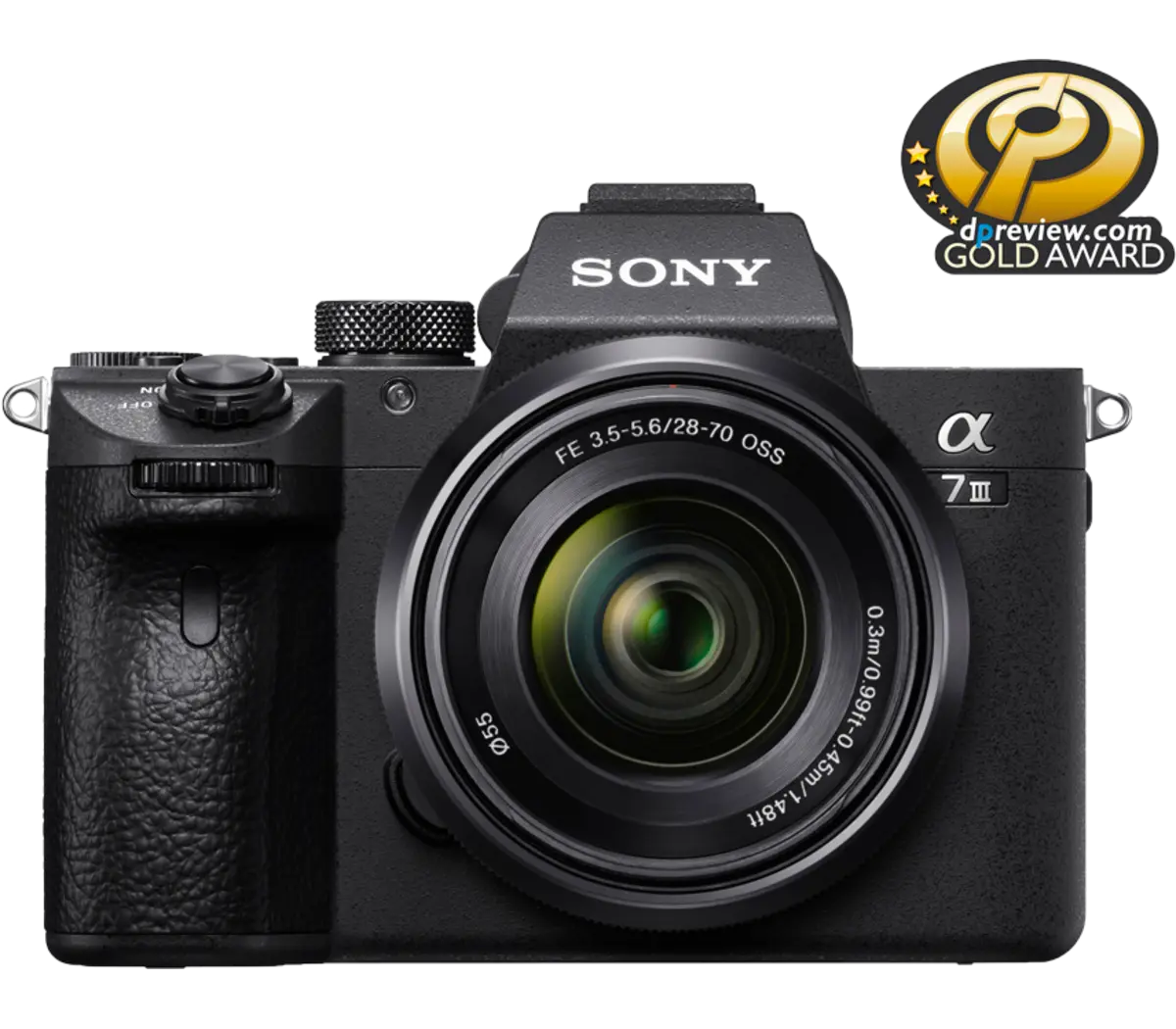
The Canon EOS R5 and Sony A7 III are two of the most praised full-frame mirrorless cameras available, often vying for the attention of professional photographers and enthusiasts alike. The R5, released in 2020, features advanced specifications that cater to both videographers and photographers looking for high-resolution images. In contrast, the A7 III, introduced in 2018, stands out for its exceptional battery life and solid performance, making it a favorite among those prioritizing versatility and value. With these two cameras, users frequently find themselves weighing features such as image quality, autofocus capabilities, and price to find the right fit for their needs.
Key differentiators between the R5 and A7 III lie in their sensor resolution, autofocus performance, and video recording capabilities. The R5's impressive 45-megapixel sensor provides stunning detail and clarity, whereas the A7 III offers a more modest 24-megapixel sensor that still delivers excellent image quality. Autofocus systems also vary; with the R5 boasting a higher number of autofocus points, while the A7 III excels in battery performance and overall affordability. These distinctions can significantly influence a photographer or videographer's decision based on their specific requirements and shooting conditions.
Specifications Comparison
Detailed Comparison
Image Quality
When it comes to image quality, the Canon EOS R5 leads with its 45-megapixel full-frame sensor, offering exceptional detail and resolution. This makes it particularly suitable for large prints or cropping in post-production without sacrificing clarity. The R5's higher resolution allows for more flexibility in various photography styles, including landscapes and commercial work. Additionally, the R5 performs well at higher ISO settings, with an ISO range extending from 100 to 51,200 and a maximum expansion to 102,400.
In comparison, the Sony A7 III features a lower 24-megapixel sensor, which still produces vibrant and detailed images suitable for most applications. Its ISO range is also commendable, but it does not have the same high-performance edge at extreme ISO settings as the R5. However, the A7 III remains a strong competitor, especially when considering its ability to produce excellent low-light images due to its proven sensor technology and effective noise management.
For most everyday scenarios, both cameras deliver stunning images; however, for professional photographers needing top-tier resolution, the R5 is the preferred choice. Consequently, in terms of image quality, the Canon EOS R5 holds a decisive advantage, making it the winner in this category.
Autofocus System
The Canon EOS R5 features an outstanding autofocus system with 1,053 autofocus points, allowing for rapid and accurate focusing across a wide area of the frame. This advanced system is particularly useful in dynamic shooting situations, such as wildlife or sports photography, where quick subject acquisition is critical. With its dual pixel technology, the R5 ensures smooth and reliable tracking of subjects, even in challenging lighting conditions.
On the other hand, the Sony A7 III has a robust autofocus system with 693 phase-detection points, which still perform admirably for most shooting conditions. It includes a reliable Eye-AF feature that enhances portrait photography by maintaining sharp focus on a subject's eye. While the A7 III's autofocus is effective, it may not match the speed and accuracy of the R5, particularly in demanding scenarios.
In summary, the EOS R5's superior autofocus capabilities give it the edge over the A7 III, making it the winner in this aspect. For those who prioritize fast and reliable autofocus system performance, the R5 is the clear choice.
Video Capabilities
The Canon EOS R5 excels in video capabilities with the ability to record 4K video at an impressive 120 frames per second (fps), which is a significant advantage for filmmakers and content creators looking to produce high-quality slow-motion footage. Additionally, the R5 supports 8K video recording, showcasing its versatility and future-ready technology. Its in-body image stabilization (IBIS) also contributes to smoother footage, making it an ideal choice for handheld video work.
In contrast, while the Sony A7 III offers 4K video recording, it is limited to 30 fps and does not provide 8K capabilities. Its video performance is still strong, shining with low-light conditions and dynamic range, but it lacks the advanced features found in the R5. The A7 III's stabilization system, rated at 5 stops, does help in reducing shake but is less effective compared to the 8 stops in the R5.
In the autofocus system for video, both cameras provide reliable performance; however, the R5's superior focus tracking and higher frame rates clearly delineate it as the better choice for video. Thus, in terms of video capabilities, the Canon EOS R5 emerges as the winner.
Build & Ergonomics
Both the Canon EOS R5 and Sony A7 III feature durable and weather-sealed bodies, making them suitable for outdoor and challenging shooting conditions. The R5, with dimensions of 138 x 98 x 88 mm and a weight of 738 g, provides a larger grip and a more substantial feel, which many photographers find comfortable during long shooting sessions. It also has a high-resolution 3.2-inch touchscreen that offers excellent usability, especially for selecting focus points and navigating menus.
On the other hand, the A7 III is more compact, measuring 127 x 96 x 74 mm and weighing 650 g, which enhances its portability, making it a preferred option for travel and street photography. Its smaller screen at 3 inches and lower dot resolution might not offer the same clarity as the R5, but many users still find it functional and easy to use.
Ultimately, the choice between build and ergonomics can depend heavily on personal preference. Some photographers may favor the larger, more ergonomic build of the R5, while others might appreciate the lightweight and compact nature of the A7 III. Because both cameras bring significant advantages to the table, this category can be considered a tie.
Battery & Storage
In terms of battery performance, the Sony A7 III takes a clear lead with a battery life of approximately 710 shots per charge. This makes it an excellent choice for long shooting days, especially for event and travel photographers looking to minimize downtime between shots. Furthermore, the A7 III features dual SD card slots, providing flexibility for storage, allowing users to save images simultaneously, which acts as a backup or facilitates overflow recording.
In contrast, the Canon EOS R5 offers a more limited battery life, rated at 320 shots per charge. This could pose challenges for photographers who frequently shoot in demanding environments without easy access to charging options. While the R5 also comes with dual card slots, its higher storage needs due to the 45-megapixel images and advanced video formats could quickly fill available cards.
Given that battery life is crucial for many photographers, especially when shooting on location or for extended periods, the Sony A7 III is the clear winner in this category, making it an appealing choice for those prioritizing battery performance and storage options.
Value for Money
When it comes to price, the Canon EOS R5 retails at a higher price point of $3,899, reflecting its premium features and capabilities suited for professional users. Its high-resolution sensor, superior video capabilities, and advanced autofocus system justify the cost for serious photographers and videographers looking to invest in high-end gear that will serve their needs extensively.
On the other hand, the Sony A7 III, which is priced around $2,000, delivers remarkable value for its capabilities, especially considering the excellent balance of performance across various photography domains, such as low-light conditions and general usability. This price point offers great accessibility for amateur photographers and those transitioning to professional work, providing a robust camera without breaking the bank.
While the R5 may be the better option for those needing its high-end features, for many users, the A7 III provides substantial capabilities at a more approachable price. Consequently, the Sony A7 III is the clear winner when it comes to overall value for money.
Our Verdict
Overall, the Canon EOS R5 emerges as the winner in this comparison due to its superior image quality, advanced autofocus system, and exceptional video capabilities. It is perfectly suited for professionals who require high-resolution images and video, prioritizing performance and advanced features over cost. However, the Sony A7 III holds significant value, standing out with its longer battery life, lower price point, and overall reliability, making it an ideal choice for enthusiasts and casual users. Depending on the user's requirements, both cameras offer substantial merit, catering to different segments of the photography and videography market.
Canon EOS R5
Sony A7 III
Also Compare
Frequently Asked Questions
Which camera is better for low light photography?
Both cameras perform well in low light, but the Sony A7 III may have an edge due to its excellent dynamic range and high ISO performance, making it particularly effective in challenging lighting situations.
Is the Canon EOS R5 worth the additional cost?
If you require high-resolution images, advanced video features like 8K recording, and superior autofocus, the Canon EOS R5 is worth the higher investment for professional use.
How does the autofocus compare for action photography?
The Canon EOS R5's autofocus system is superior with 1,053 points, providing quicker tracking for fast-moving subjects compared to the A7 III, which has 693 points, though it still performs well for most action scenarios.
What is the battery life comparison like?
The Sony A7 III significantly outperforms the R5, offering around 710 shots per charge, while the R5 only lasts for 320 shots, making the A7 III a better choice for extended shooting sessions.
Which camera is better for video work?
The Canon EOS R5 is preferable for video work due to its capability to record 4K at 120 fps, along with 8K video and superior stabilization, making it a more versatile tool for videographers.