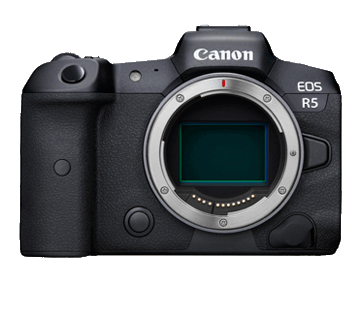
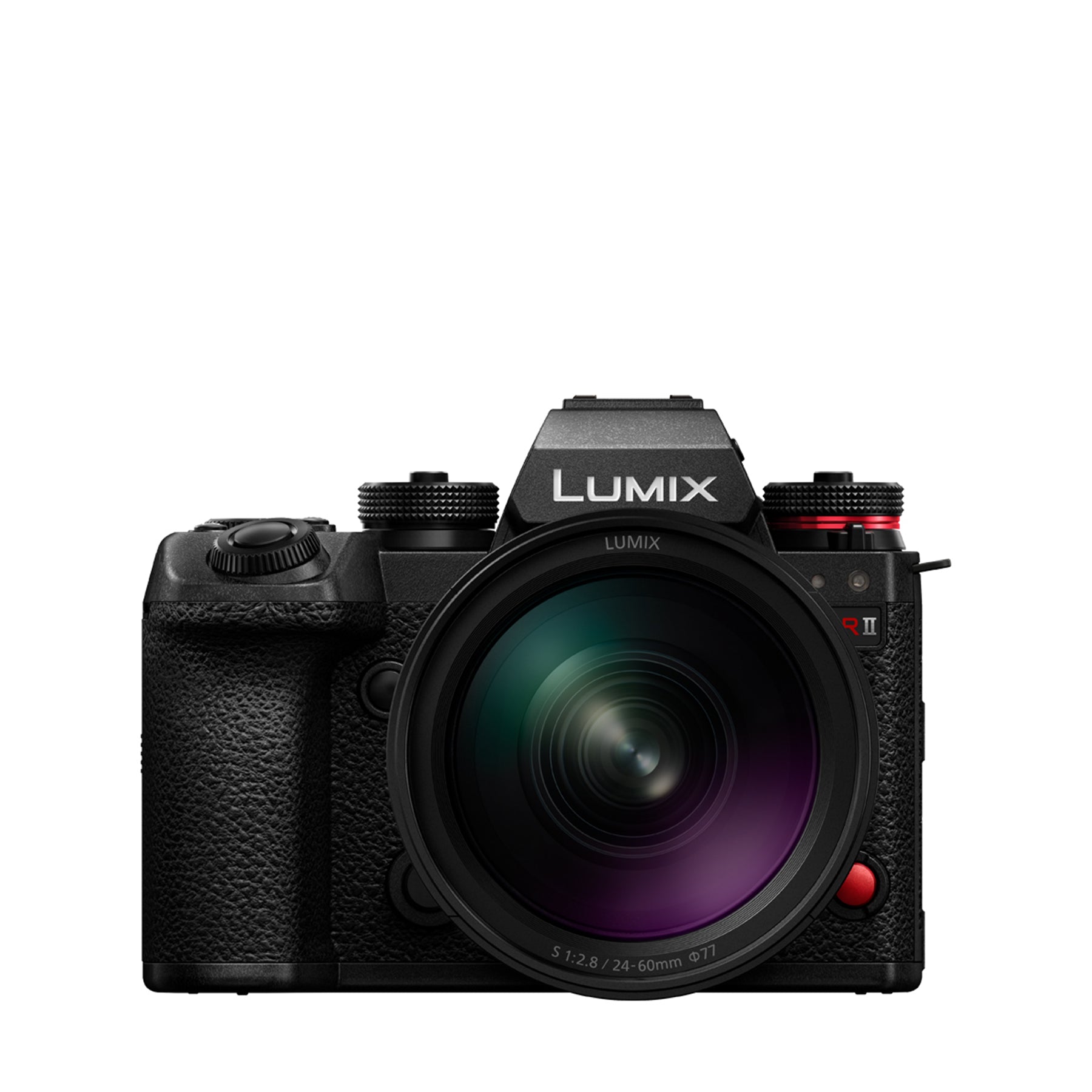
The Canon EOS R5 and Panasonic S1R II are two formidable contenders in the landscape of high-resolution full-frame mirrorless cameras, appealing to both professional photographers and serious enthusiasts alike. With the ever-growing demand for exceptional image quality, fast autofocus, and versatile video capabilities, these two models are often chosen by those looking to create stunning visuals in various formats. The key differentiators between them lie in their sensor performance, autofocus systems, video resolution, and overall usability.
Specifications Comparison
Detailed Comparison
Image Quality
Both the Canon EOS R5 and the Panasonic S1R II feature full-frame sensors, but they have slight differences in megapixels and image processing capabilities. The EOS R5 boasts a 45-megapixel sensor that excels in low-light performance, alongside a dynamic range due to its DIGIC X processor. Photographers using the R5 will appreciate its expanded ISO range of 100-51,200, which can stretch up to 102,400, making it suitable for high-ISO shooting.
On the flip side, the S1R II offers a slightly lower resolution at 44.3 megapixels, yet delivers remarkable detail capable of catering to large print workflows. The S1R II is renowned for its color accuracy and smooth gradation, particularly appealing to landscape and studio photographers who prioritize color fidelity. The use of the Dual Native ISO technology in the S1R II also provides excellent noise control in challenging lighting situations.
In practical terms, both cameras output stunning images, but the Canon EOS R5 edges ahead in versatility due to its higher ISO range and faster processor, making it slightly more adept at handling diverse shooting environments.
Autofocus System
In terms of autofocus, the Canon EOS R5 is equipped with an impressive system that utilizes 1,053 autofocus points, ensuring swift and precise tracking of subjects. Its Dual Pixel CMOS AF technology provides excellent performance in both stills and video, aided by Face and Eye Detection that enhances portrait photography. The EOS R5's autofocus is reliable even in low light, down to -6 EV, which can be crucial for capturing moments in difficult lighting conditions.
In contrast, the Panasonic S1R II uses a contrast-detect autofocus system that is capable but does not match the speed and coverage of the R5. It features 225 focus points and offers features like Face Detection, which has improved in recent firmware updates. However, the slower autofocus performance-especially in fast-moving subjects-is a notable drawback compared to the R5.
Therefore, while both systems have their strengths, the Canon EOS R5 stands out with superior tracking capabilities, making it the go-to choice for those who prioritize fast and reliable autofocus.
Video Capabilities
Video performance is another critical area where the two cameras diverge. The Canon EOS R5 sets the bar high with its ability to record 8K video at 30p and 4K video at captivating 120 frames per second, appealing to filmmakers wanting exceptional high-resolution and slow-motion capabilities. Additionally, the R5 features in-body stabilization that compensates for camera shake, allowing for smoother handheld shooting in various scenarios.
The Panasonic S1R II, while also supporting 8K and 4K 120p, has seen some limitations in terms of video compression options and recording time, which may restrain professional usage. The camera boasts V-Log support and extensive color grading capabilities, making it a suitable choice for videographers who require advanced post-production intricacies, particularly in color fidelity.
Ultimately, the Canon EOS R5 takes the lead in video versatility and usability, especially for those looking to produce high-quality video content with more advanced features.
Build & Ergonomics
Both the Canon EOS R5 and the Panasonic S1R II are built to withstand demanding shooting conditions. The EOS R5 is weather-sealed and features a robust build, allowing it to withstand moisture and dust, an essential trait for outdoor photographers. Its grip is comfortable for prolonged use, which is beneficial for portrait or landscape sessions.
The Panasonic S1R II also features weather sealing and is built with a sturdy magnesium alloy body. Its design emphasizes ergonomics, particularly with a more substantial grip suited for those with larger hands. This can improve handling when utilizing larger lenses.
While both cameras are well-constructed, the choice may ultimately come down to user preference regarding grip and overall weight, with the Canon EOS R5 being slightly lighter at 738g compared to S1R II's heftier design. Thus, in a build quality comparison, it is a close contest with no clear-cut winner.
Battery & Storage
When it comes to battery performance, the Canon EOS R5 is rated at approximately 320 shots, which may be considered relatively low for a high-performance camera. However, its compatibility with the LP-E6NH battery ensures decent longevity for general use. The R5 also supports dual card slots for storing images, enhancing workflow efficiency.
Conversely, the Panasonic S1R II provides greater endurance, featuring the higher-capacity DMW-BLJ31 battery with a rating for around 370 shots. This makes the S1R II slightly more appealing for extended shooting sessions, particularly during events or travels with less access to charging facilities.
While both cameras offer dual slots, the longer battery life of the S1R II gives it an edge in practical shooting scenarios, making it more favorable for those long days in the field.
Value for Money
In terms of pricing, the Canon EOS R5 is listed at $3,899, making it a premium option that includes top-of-the-line features appealing to professionals. Its multidisciplinary capabilities in both photography and videography offer considerable value, especially for those who require high resolution and speed.
On the other hand, the Panasonic S1R II comes in lower-priced than the R5, yet still provides an impressive array of features, particularly in terms of image quality and color reproduction. Users who mainly focus on photography, particularly for static subjects or in controlled environments, may find better value in the S1R II.
Therefore, while the R5 provides comprehensive capabilities across different formats, the S1R II offers a more budget-friendly choice that still covers essential photography needs effectively.
Our Verdict
The Canon EOS R5 emerges as the overall winner in this comparison due to its superior autofocus, advanced video capabilities, and versatility, appealing to a broad range of professionals and enthusiasts alike. While the Panasonic S1R II holds its own with exceptional image quality and slightly better battery life, the R5's comprehensive features make it the more well-rounded choice for those who need a powerful camera for both stills and video. For users focused strictly on high-resolution photography, the S1R II still presents a compelling argument, particularly for those working primarily in stills-driven environments.
Canon EOS R5
Panasonic S1R II
Also Compare
Frequently Asked Questions
Which camera is better for low-light photography?
For low-light photography, the Canon EOS R5 is generally better due to its wider ISO range and faster autofocus in low illumination, making it a preferable choice for those types of conditions.
How do the video features compare between the two cameras?
The Canon EOS R5 excels with its ability to record 8K video and offers advanced slow-motion options at 4K 120p, whereas the Panasonic S1R II, though it can also record 8K, has limitations in video compression and recording durations.
Is the battery life significantly different?
Yes, the Panasonic S1R II has a longer battery life at around 370 shots compared to around 320 shots for the Canon EOS R5, which may influence the choice for those shooting for extended periods without access to charging.
Which camera is more suitable for dynamic sports photography?
The Canon EOS R5 is more suitable for dynamic sports photography due to its faster autofocus system and burst shooting capabilities, allowing for quick and accurate tracking of moving subjects.
Are both cameras weather-sealed?
Yes, both the Canon EOS R5 and Panasonic S1R II are weather-sealed, making them durable choices for outdoor photography in various conditions.