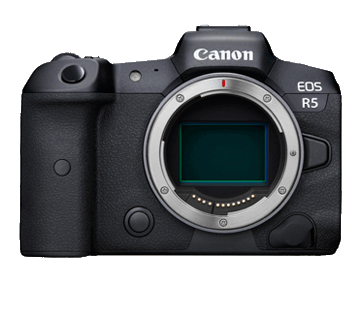
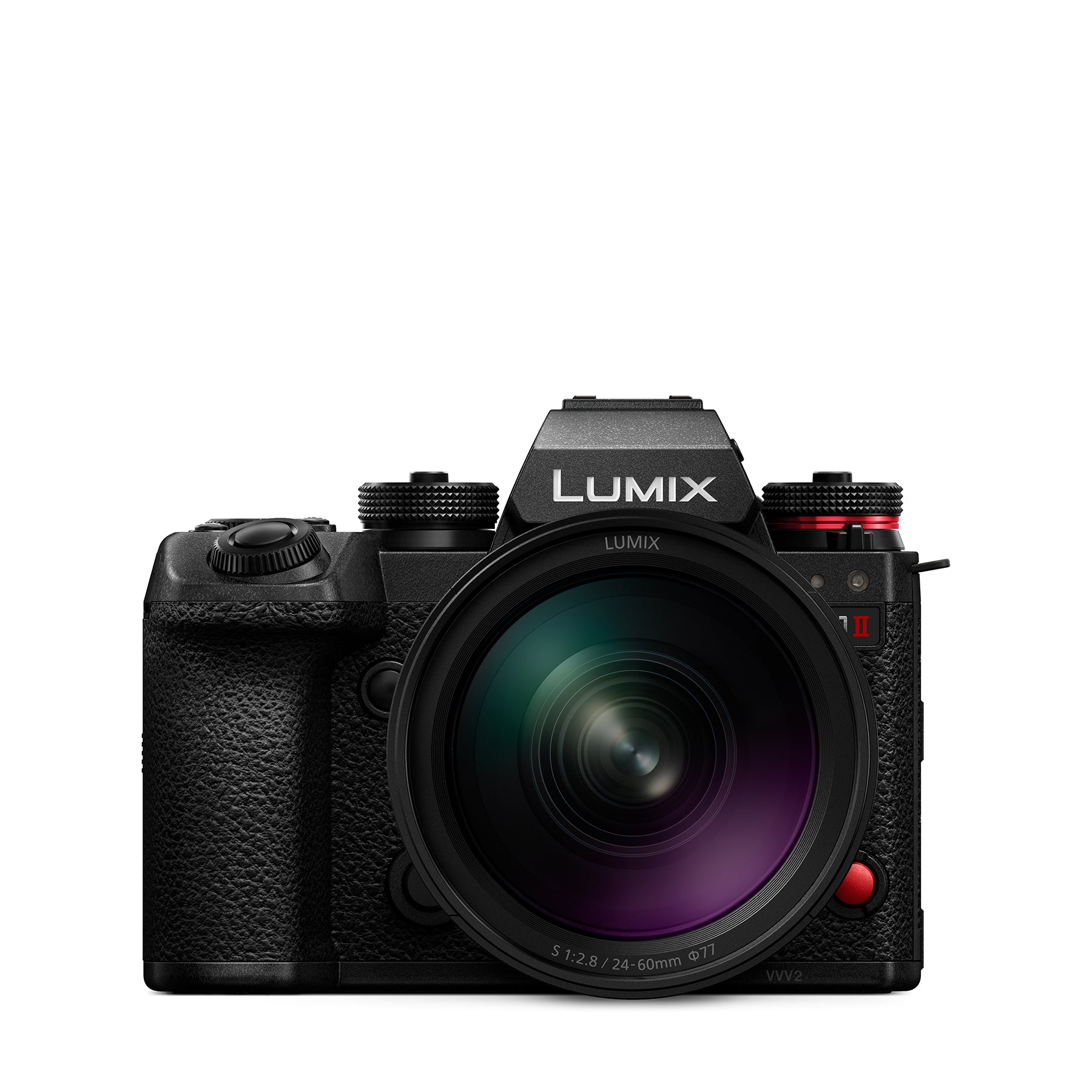
The Canon EOS R5 and the Panasonic S1 II are two powerful full-frame mirrorless cameras that have gained considerable attention among professional photographers and videographers. Often compared due to their advanced features and cutting-edge technology, these cameras appeal to creatives seeking high-performance tools for both still images and video production. The key differentiators between these two models often revolve around resolution, autofocus capabilities, video quality, and overall ergonomics, making it essential for potential buyers to examine their needs closely before making a decision.
Specifications Comparison
Detailed Comparison
Image Quality
The Canon EOS R5 boasts an impressive 45-megapixel sensor, allowing for high-resolution images that capture fine details and vibrant colors. Its expansive ISO range from 100 to 51200 (expandable to 102400) offers exceptional low-light performance, making it an excellent choice for indoor or natural light photography. In contrast, the Panasonic S1 II features a 24.1-megapixel sensor, which, while lower in resolution, still provides impressive image quality with excellent dynamic range. The ISO performance is competitive, though it is not specified as extensively as the EOS R5.
In practical terms, the R5 might be more appealing for landscape photographers or studio work where the highest resolution is beneficial. The S1 II, with its lower resolution, can still produce stunning images adequate for many applications, making it a solid option for event photography or general use where ultra-high detail isn't a priority. However, for photographers who value the highest details in print enlargements or extensive cropping, Canon has an advantage with its higher megapixels.
Overall, while both cameras deliver excellent image quality, the Canon EOS R5 takes the edge in this category due to its superior resolution and low-light capabilities.
Autofocus System
The autofocus system of the Canon EOS R5 is one of its standout features, powered by 1053 autofocus points that ensure widespread coverage across the frame. This sophisticated dual-pixel AF technology offers reliable subject tracking and fast acquisition, particularly beneficial for capturing moving subjects in sports or wildlife photography. The camera's performance in low light is also commendable, further enhancing its versatility.
In comparison, while the Panasonic S1 II offers robust autofocus capabilities, the details on its AF system are not as well-specified, and it generally utilizes a contrast-detection based system along with depth from defocus technology. While capable, it may not match the speed and accuracy seen in the R5, especially in challenging conditions.
In summary, for photographers who rely heavily on fast, precise autofocus for action shots or wildlife, the Canon EOS R5 is the clear winner in this aspect. The superior performance of its autofocus system allows for greater creative freedom across various shooting scenarios.
Video Capabilities
The Canon EOS R5 excels in the video department with its ability to shoot in 4K at 120 frames per second, making it a powerhouse for those who require high-frame-rate video for smooth slow-motion effects. Additionally, the R5 supports 8K video recording, further expanding its capabilities for video content creators.
On the other hand, the Panasonic S1 II provides 5.1K video at 60p, which consists of a high resolution and frame rate, making it quite appealing for videographers. The emphasis on video-centric features, such as V-Log and excellent color grading options, positions the S1 II as a strong contender in terms of video application.
Ultimately, while both cameras are able to deliver impressive video performance, the advantage goes to the Canon EOS R5 for its higher resolutions, frame rates, and flexibility in video formats, appealing to filmmakers seeking the latest in video technology.
Build & Ergonomics
In terms of build quality, both cameras are designed with durability in mind, featuring weather-sealing that allows for use in various environmental conditions. The Canon EOS R5, weighing 738 g, has a more compact design, which can be beneficial for portability. Its ergonomic grip is well-received, providing comfort during extended periods of shooting.
The Panasonic S1 II, while also well-built, tends to be a bit bulkier and heavier, which may cater better to those who prefer a more substantial feel in hand. The layout of controls on both cameras is intuitive, but some users may have a preference depending on their shooting style and familiarity with either brand.
Ultimately, the choice in terms of ergonomics could come down to personal preference, but if weight and compactness are key factors, the Canon EOS R5 might hold an advantage for avid travelers or those frequently on location.
Battery & Storage
The Canon EOS R5 provides a respectable shot life of approximately 320 shots on a single charge, which is acceptable for most daily shooting scenarios but can be limiting during extensive shoots or events. It uses a single LP-E6NH battery, which, depending on usage, could prompt additional battery purchases for longer shoots.
In contrast, the Panasonic S1 II, while no specific battery life is provided, is known historically for better efficiency from its power cells. Typically, Panasonic's full-frame models support extended shooting times which can be crucial during long shoots or fast-paced environments. Additionally, the S1 II utilizes dual card slots, empowering users with options for storage and backup during important sessions.
In this category, although the Canon R5's battery life is adequate, the versatile storage options and generally better endurance of the Panasonic S1 II give it a practical edge for intensive use cases.
Value for Money
The Canon EOS R5 carries a premium price tag of $3899, justified by its advanced features, superior resolution, and robust performance in most areas. For serious professionals who demand the highest performance for both stills and video, the investment may be worthwhile, especially when considering resale value and longevity in the market.
Conversely, the Panasonic S1 II, released in 2023, is expected to have a more competitive pricing strategy that could make it more appealing for budget-conscious consumers or those looking for a versatile full-frame option without the lofty price of the R5. While it does offer many advanced features, the lower resolution might dissuade buyers from selecting this model for high-end commercial work.
Considering the vast difference in price along with the feature offerings, those looking for excellent value without compromising too much on performance may find the Panasonic S1 II to present a more compelling proposition overall.
Our Verdict
Ultimately, the Canon EOS R5 claims the overall victory in this comparative analysis, excelling in areas critical for high-end photography and videography, such as image quality, autofocus performance, and video capabilities. However, the Panasonic S1 II offers remarkable value for those seeking a capable full-frame system conducive to video work, particularly considering its recent release and competitive pricing strategy. Buyers should contemplate their specific requirements-if their focus lies on high-resolution stills and advanced video features, the Canon EOS R5 will likely serve them well. However, for those prioritizing a solid performance at a lower price point, the Panasonic S1 II stands out as a smart investment.
Canon EOS R5
Panasonic S1 II
Also Compare
Frequently Asked Questions
Which camera is better for low light photography?
The Canon EOS R5 is typically better for low light photography due to its higher maximum ISO of 102400, allowing for clearer images in darker conditions.
How does video quality compare between the two?
The Canon EOS R5 supports 4K at 120p and even 8K recording, making it superior for high-frame-rate and high-resolution video. The Panasonic S1 II offers 5.1K at 60p, which is impressive but does not match the flexibility of the R5's video capabilities.
Is the image stabilization the same in both models?
Both models feature excellent stabilization with Canon offering 8 stops and Panasonic providing 8.0 stop 5-axis I.S., making them both effective in reducing camera shake.
What is the weight difference between the two cameras?
The Canon EOS R5 is lighter at 738 grams, making it more portable compared to the Panasonic S1 II, which is bulkier and heavier.
Which camera offers better value for hobby photographers?
The Panasonic S1 II is likely to offer better value for hobby photographers given its lower price and versatile features, making it an accessible choice without compromising too much on performance.