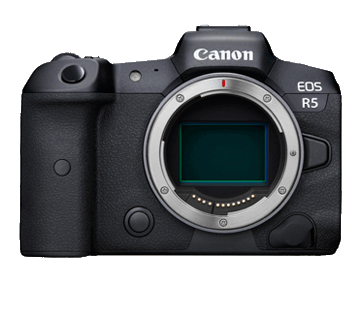
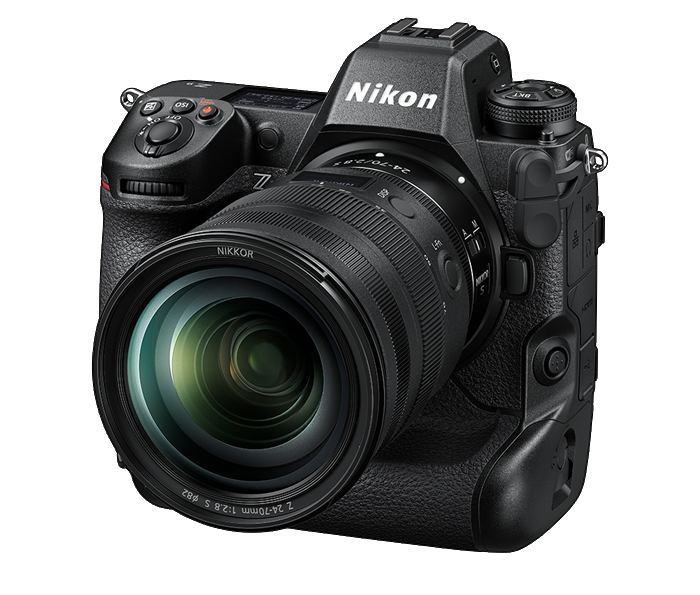
The Canon EOS R5 and Nikon Z9 are two of the most highly regarded mirrorless cameras in the professional market, commonly compared due to their advanced features, impressive specifications, and suitability for a range of photography genres. Photographers, videographers, and enthusiasts often find themselves choosing between these models as they represent the pinnacle of technology and performance from their respective brands. While both cameras are geared towards professionals, their unique strengths cater to different preferences, leaving buyers to ponder which side to align with.
Specifications Comparison
Detailed Comparison
Image Quality
Both the Canon EOS R5 and Nikon Z9 offer exceptional image quality thanks to their full-frame sensors, yet there are slight distinctions that may affect user preference. The R5 features a 45 MP sensor, which provides stunning detail and dynamic range, making it ideal for landscape, portrait, and commercial photography. On the other hand, the Z9 has 46 MP, giving it a slight edge in overall resolution, potentially capturing more minute details and textures. This minor difference may influence photographers focused on high-resolution prints or detailed crop capabilities. Each camera excels in low-light performance with their extensive ISO ranges, with the R5 reaching up to 102,400, while the Z9 has a standard range of 100-25,600.
Autofocus System
Autofocus performance is critical for dynamic shooting scenarios, and both cameras deliver outstanding capabilities. The Canon EOS R5 boasts an impressive 1,053 autofocus points, ensuring comprehensive coverage and quick subject tracking. This system effectively recognizes and locks onto eyes, faces, and animals, allowing for precise focus during fast-paced action. In comparison, the Nikon Z9 has a more traditional autofocus system with 493 points. While this number may seem lower, Nikon's advanced AI-based tracking and subject detection technologies often balance performance effectively, providing quick and reliable focusing in various conditions. Overall, both autofocus systems are excellent, but the EOS R5 may appeal more to those prioritizing extensive tracking options.
Video Capabilities
When discussing video functionalities, both models offer impressive 4K recording at up to 120 fps, catering to filmmakers and content creators who desire high frame rates for slow-motion effects. The Canon EOS R5 allows for 8K video recording, a significant advantage for users seeking the highest resolution and future-proofing their work. However, the Z9 focuses on reliability with features like built-in RAW video output; it's tailored towards professionals who need robust video capabilities for cinema-grade production. Each camera excels in this category, but the functionalities and resolutions offered by Canon might appeal to those looking for versatile video options.
Build & Ergonomics
Build quality plays an essential role, especially for professional photographers who take their gear into demanding environments. Both the EOS R5 and Z9 are weather-sealed, ensuring durability against moisture and dust. The Z9 is heavier (1340g) compared to the R5 (738g), which may affect portability for some users. The Z9 is built like a tank, featuring a robust design that ensures it can handle tough shooting conditions, while the R5 is more compact, making it easier to carry for longer durations. Ergonomics also differ slightly; the Z9 offers superior grip for larger hands, while the R5's design focuses on accessibility of controls for quick adjustments. Therefore, personal preference on handling and feel might influence the choice.
Battery & Storage
Battery life can significantly impact shoot days, and here the Nikon Z9 excels, with an impressive battery life of 740 shots versus Canon's 320 shots. This larger capacity allows photographers to spend more time shooting without worrying about changing batteries frequently. When it comes to storage, both cameras support dual card slots, but the Z9's ability to handle CFexpress Type B cards offers faster write speeds that are beneficial for high-burst shooting and 8K video recording. The Canon R5, while still competent, uses a combination of SD UHS-II and CFexpress cards. For those who require extended shooting times and speed, the Z9 proves to be the better option.
Value for Money
The pricing structure of the Canon EOS R5 at $3,899 might seem more attractive compared to the Nikon Z9, priced at $5,500. For enthusiasts and semi-professionals, the R5 offers many pro-oriented features at a relatively lower entry point, creating a strong case for value. However, the Nikon Z9, though pricier, presents a feature set aimed at professionals seeking the hours of battery life, rapid frame rates, and robust build quality. If budget constraints are less of an issue, the Z9 can represent a better long-term investment for those focused on high-end production. Ultimately, the better option largely depends on users' specific needs and budget capacity.
Our Verdict
In this detailed comparison, the Canon EOS R5 and Nikon Z9 both showcase unique strengths that cater to different needs within the photography community. The EOS R5 edges out in autofocus and video capabilities with its higher resolution video options, while its price point makes it more accessible for enthusiastic photographers. Conversely, the Z9 offers superior battery life and a robust build that serves professionals who prioritize endurance and reliability in high-pressure environments. Depending on the individual's shooting style and overall needs, either camera could be the right fit, making the choice less about one being better than the other and more about matching with personal requirements.
Canon EOS R5
Nikon Z9
Also Compare
Frequently Asked Questions
Is the Canon EOS R5 better for video compared to the Nikon Z9?
The Canon EOS R5 offers unique features such as 8K video recording, making it a strong choice for videographers. The Z9 also delivers impressive 4K video capabilities and RAW output but lacks 8K. If 8K is essential for your work, the R5 may be preferable; otherwise, both are excellent for professional video.
How does the autofocus system compare between the two cameras?
The autofocus system of the R5 is more advanced with 1,053 points, allowing for extensive tracking capabilities. The Z9 offers a slightly fewer number of 493 autofocus points, however, its AI-based subject detection is effective. Overall, both systems provide reliable performance, but the R5 may slightly outshine in fast-action scenarios.
Which camera offers better battery performance?
The Nikon Z9 reports a substantial battery life of 740 shots, making it more favorable for prolonged use. In contrast, the Canon EOS R5 has a lower battery life of 320 shots, which may necessitate more frequent charging or battery swaps on longer shoots.
Which camera is more portable for travel?
The Canon EOS R5 is considerably lighter at 738g compared to the Z9's 1340g. This makes the R5 a more portable option for travel and long shooting days, appealing to photographers who prioritize weight and size in their gear.
What is the main deciding factor between these two cameras for a beginner?
For beginners, the price and usability may be the main factors. The Canon EOS R5 is more budget-friendly, offering many advanced features without being overwhelmingly complex. However, if the beginner is committed to investing in a professional setup, the Z9 may be justified for its durability and performance.