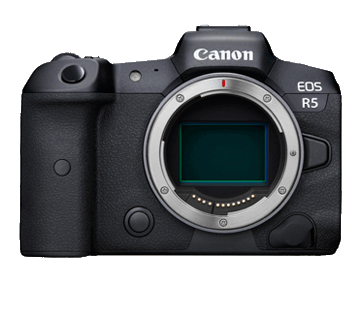
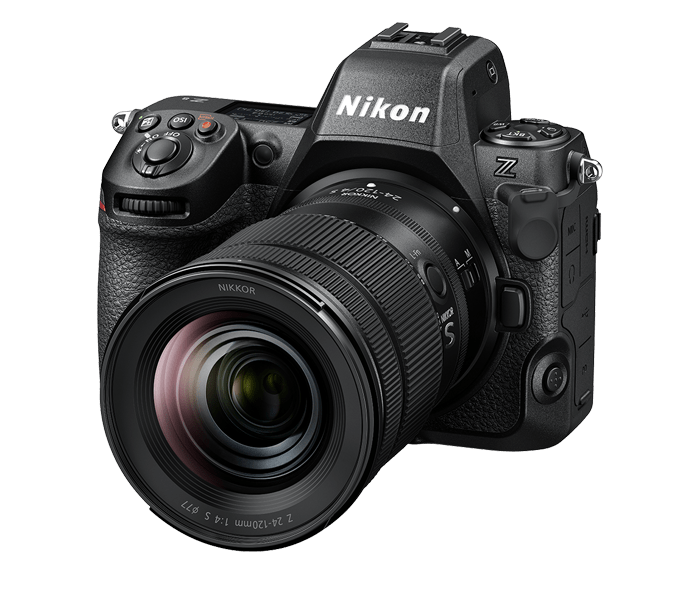
The Canon EOS R5 and Nikon Z8 are two powerful full-frame mirrorless cameras that have gained significant attention from professional photographers and serious enthusiasts alike. Both cameras boast impressive specifications and capabilities, making them popular choices for landscape, portrait, and wildlife photography. As potential buyers weigh their options, the choice between these two flagship models often boils down to specific use cases and personal preferences regarding brand ecosystems, handling, and standout features. The main differentiators between the R5 and Z8 include their resolution, autofocus systems, video features, and ergonomics. The R5 offers slightly higher megapixels with a more mature lens ecosystem, while the Z8 comes with advanced burst shooting capabilities and improved battery life, reflecting the latest technology advancements from Nikon. Understanding these key aspects can help photographers make a more informed decision based on their individual needs and shooting styles.
Specifications Comparison
Detailed Comparison
Image Quality
Both the Canon EOS R5 and Nikon Z8 deliver exceptional image quality, benefiting from their full-frame sensors. The R5 features a 45 MP sensor that allows for fine detail reproduction, making it an excellent choice for large prints and cropping flexibility. The Nikon Z8, on the other hand, has a slightly higher resolution of 46 MP. This edge in megapixels can result in even finer detail and the ability to capture stunning landscapes or intricate textures in close-up photography. However, the differences in megapixels may be negligible for most users in practical scenarios. The Canon R5's sensor also provides impressive low-light performance with an ISO range of 100-51200 (expandable to 102400), which is crucial for photographers who often work in variable lighting conditions. The Nikon Z8 supports a slightly lower native ISO range but still performs well at higher ISO levels. In terms of color rendering, both cameras produce vibrant and accurate colors, although the R5 is often praised for its skin tones in portrait photography. In summary, both cameras excel in image quality; however, the R5 benefits from its well-optimized sensor performance in low light and well-known color science. Therefore, for this section, the winner is Canon EOS R5.
Autofocus System
The Canon EOS R5 features an advanced autofocus system with 1053 AF points, which are capable of covering a large area of the frame and include Eye AF for both humans and animals. This provides a significant edge for portrait and wildlife photographers, ensuring precise focus on the subject, even in complex compositions. In general, the R5's robust autofocus system is highly regarded for its speed and accuracy. In contrast, the Nikon Z8 includes 493 autofocus points, which still offers good coverage and performance; however, it simply does not match the R5's extensive selection. The Z8 does have an impressive subject detection system and performs well in tracking moving subjects, but the total number of points and the depth in versatility give the R5 a notable advantage. Thus, for those who prioritize autofocus performance, especially for sports or wildlife photography, the R5's system is currently more refined and reliable. Therefore, in this section, the winner is Canon EOS R5.
Video Capabilities
When it comes to video capabilities, both the Canon EOS R5 and Nikon Z8 offer remarkable features, enabling 4K recording up to 120p, making both ideal for high-quality video production. The R5 can record in 8K at 30p for a bit more future-proofing for filmmakers, which is a significant advantage for users wanting to achieve 8K content. However, heat management has been a noted issue with the R5 during extended recording sessions, potentially limiting long-duration shoots. Conversely, the Nikon Z8, as a more recent release, features robust video specifications and up to 4K at 120p recording without the same thermal constraints faced by the R5. This enables longer recording times and greater usability for dynamic shooting situations such as events or documentaries. Overall, both cameras perform admirably for video, but the Z8's handling of prolonged video recordings without overheating gives it a slight edge in practical applications, making the winner for this section the Nikon Z8.
Build & Ergonomics
The Canon EOS R5 is designed with a sturdy body that measures 138 x 98 x 88 mm and weighs 738 grams, providing a comfortable grip for prolonged use. It features an intuitive button layout that photographers will appreciate, especially those who are already accustomed to Canon's systems. Additionally, the R5 is weather-sealed, making it suitable for various environmental challenges. Its electronic viewfinder provides a bright and clear image to assist with composition and exposure management. In contrast, the Nikon Z8 is slightly bulkier at 144 x 119 x 83 mm and weighs 910 grams; however, it incorporates a similar level of weather sealing. Nikon's grip on the Z8 has also been praised, offering a comfortable hold even with heavier lenses. In terms of ergonomics, both cameras offer similar feels; however, user preference may boil down to brand familiarity and control accessibility. Both cameras excel in build quality and ergonomic design, resulting in a tie for this section, given that both have their strengths without a decisive advantage either way.
Battery & Storage
Battery life is a crucial factor for photographers, especially those who shoot in demanding environments. The Canon EOS R5 boasts a battery life of approximately 320 shots, which is generally good for a mirrorless camera but can be limiting for intensive shooting days. In contrast, the Nikon Z8 offers improved battery performance, achieving a life of approximately 340 shots per charge, which may seem marginal but can make a difference during extended shooting sessions. In terms of storage, both cameras utilize dual card slots, allowing for flexible storage options. The Canon R5 supports CFexpress and SD cards, providing high-speed data transfer rates necessary for recording high-resolution video and continuous burst shooting. The Nikon Z8 also supports similar types of media, ensuring that users can streamline their workflow and store extensive amounts of footage and images efficiently. Though both perform adequately in battery and storage features, the slight edge in battery life gives the Nikon Z8 the winner in this section.
Value for Money
When comparing pricing, the Canon EOS R5 is positioned at $3,899, while the Nikon Z8 comes in at a slightly higher price of $3,999. Although the difference is indeed small, it might influence budget-conscious buyers. The R5 has well-established lenses and accessories that can complement its use, making it a more appealing option for those already within the Canon system. The Nikon Z8, introduced in 2023, brings the latest technology and improvements that appeal to those seeking cutting-edge features. This newer approach can justify its price for users looking for enhanced performance and longevity. In conclusion, while both cameras offer substantial value considering their capabilities, the established ecosystem of the R5 alongside its lower price gives it a slight advantage in terms of overall value. Therefore, Canon EOS R5 wins this section.
Our Verdict
Overall, the Canon EOS R5 emerges as the winner in this comparison, thanks to its superior image quality, autofocus system, and better value for money. While the Nikon Z8 excels in video capabilities and battery life, the R5 remains a powerhouse for photographers who prioritize high-resolution images and precise focus. The Z8 is a strong contender for videographers and those wanting the latest tech advancements. Ultimately, the choice between these two cameras depends on personal preferences and intended use, but the R5's strengths give it the edge in a broader range of scenarios.
Canon EOS R5
Nikon Z8
Also Compare
Frequently Asked Questions
Which camera is better for video shooting?
While both cameras offer 4K 120p capabilities, the Nikon Z8 has better heat management and longer recording times, making it a better choice for pro video work.
Is the Canon EOS R5 worth its price?
Yes, the Canon EOS R5 offers exceptional image quality, a robust autofocus system, and a reliable lens ecosystem that justifies its price for many photographers.
How do the autofocus systems compare?
The Canon EOS R5 has more autofocus points and is renowned for its speed and accuracy, particularly with subject tracking, giving it an edge over the Z8.
Which camera performs better in low light?
The Canon EOS R5 has a wider ISO range and generally performs better in low light conditions, making it suitable for night or indoor photography.
What are the key differences in battery life?
The Nikon Z8 offers a marginally longer battery life at around 340 shots, compared to the R5's 320 shots, offering slight advantages for longer shoots.