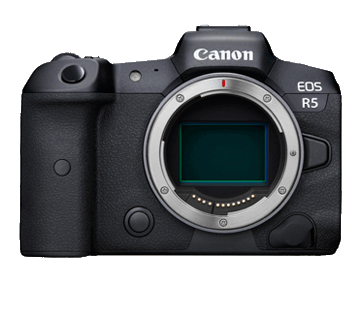
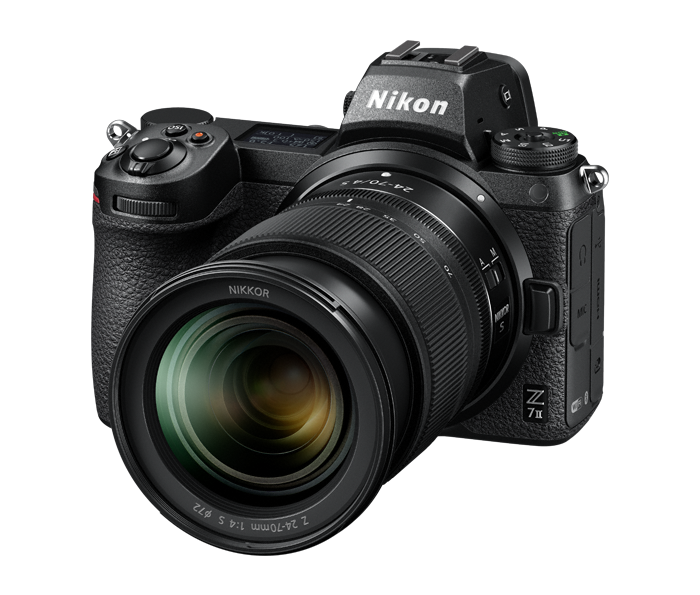
The Canon EOS R5 and Nikon Z7 II are two of the most highly regarded mirrorless cameras in the full-frame segment, often set against each other in comparisons for photography enthusiasts and professional shooters alike. Both models were released in 2020 and cater to serious photographers seeking high performance, excellent image quality, and robust video capabilities. As both Canon and Nikon have a long history in the camera industry, loyal customers from either brand often face a tough decision between these two flagship models when upgrading or entering into full-frame photography.
Specifications Comparison
Detailed Comparison
Image Quality
Both the Canon EOS R5 and Nikon Z7 II deliver outstanding image quality, but with slight variations that may cater to different preferences. The EOS R5 features a 45MP sensor, while the Z7 II boasts a 46MP sensor. This marginal difference may not generate significant real-world impact, but the R5's broader ISO range (100-51200, expandable to 102400) allows for superior low-light performance compared to the Z7 II's range of 64-25600, expandable to 102400. In terms of dynamic range and color depth, both cameras perform exceptionally well, providing rich tonal transitions and nuanced details. However, many users have noted that the R5 tends to render colors with a slightly warmer tone, which might be more pleasing in certain scenarios. Thus, while both cameras are capable of delivering stunning images, the R5 edges out in low-light performance and versatility due to its broader ISO capabilities.
Autofocus System
The autofocus systems of these two models highlight different strengths suited for varied shooting environments. The Canon EOS R5 boasts an impressive 1053 autofocus points, ensuring exceptional coverage and accuracy. This translates to rapid and reliable focusing abilities, particularly useful in fast-paced environments, such as action photography or wildlife. In contrast, the Nikon Z7 II utilizes 493 focus points. Although fewer, Nikon's autofocus system is renowned for its consistency and accuracy, especially in tracking moving subjects, thanks to the implementation of advanced algorithms. Notably, the R5's performance in low light yields an additional advantage, capturing sharp subjects even in dim conditions. While both systems excel, the EOS R5's superior number of autofocus points gives it an edge in dynamic shooting situations.
Video Capabilities
In the realm of video, the Canon EOS R5 takes a significant lead with its ability to shoot 4K video at an impressive 120 frames per second, making it an ideal choice for videographers seeking high frame rates and smooth motion capture. Additionally, it supports 8K video recording, significantly expanding creative possibilities for filmmakers. The Nikon Z7 II, on the other hand, offers 4K video capabilities but is limited to 60 frames per second. Although it provides exceptional video quality, the absence of higher frame rates may deter those looking to capture fast-moving action or sport events. Furthermore, the EOS R5's advanced features such as in-body stabilization (8 stops) further enhances its videography potential, ensuring smoother footage. Overall, while both cameras provide excellent video quality, the R5 delivers more feature-rich options.
Build & Ergonomics
Both cameras boast robust, weather-sealed bodies, making them suitable for use in challenging environments. The Canon EOS R5 weighs slightly more at 738 grams compared to the Z7 II's 705 grams; however, both cameras are designed with similar dimensions that prioritize grip and handling. Photographers who often shoot for extended periods will appreciate the comfortable grip of both cameras. Additionally, the functionality of their touchscreens, at 3.2 inches and 2,100,000 dots, is similar. The Z7 II has a more compact design, making it potentially more portable for those who prioritize weight. Ultimately, the choice in this category may boil down to personal preference regarding the feel of the grip and camera layout rather than a clear winner.
Battery & Storage
When it comes to battery life, the Nikon Z7 II outperforms the Canon EOS R5, offering up to 420 shots compared to the R5's 320 shots on a single charge depending on usage. This ensures that photographers using the Z7 II can work longer without needing to replace batteries, a crucial factor during extended shoots. In terms of storage, both cameras support dual card slots, which is ideal for professionals who require a backup or faster writing speeds for high-resolution files. However, differing card formats might influence decisions; while the Z7 II uses XQD and CFexpress cards, the R5 is compatible with dual CFexpress cards. In this section, while the R5 boasts high-speed transitions, the Z7 II's superior battery life grants it an advantage.
Value for Money
The Canon EOS R5 is priced at $3899, making it one of the higher-end options available in the mirrorless market. This price point can be justified by its feature set, especially for those who need cutting-edge video capabilities and an advanced autofocus system. Conversely, the Nikon Z7 II is offered at a more competitive price of $2999, attracting photographers who seek high resolution and solid performance without breaking the bank. For enthusiasts looking for quality at a more accessible price point, the Z7 II provides an excellent balance. Ultimately, while the R5 may deliver superior specifications, the value proposition of the Z7 II positions it as the better option for those mindful of budget constraints while still requiring pro-level performance.
Lens Ecosystem
The lens ecosystem is an important consideration when investing in a new camera system. Canon's RF mount for the EOS R5 has seen rapid growth since its launch, with a wide range of high-quality lenses and adapters available for existing EF lenses, making it a strong choice for those who may already own Canon glass. On the other hand, Nikon's Z-mount system for the Z7 II is also expanding with a solid lineup, though it may not yet match the extensive offerings of Canon in terms of high-performance lenses. Nevertheless, both brands offer excellent native glass options, and both systems are compatible with various popular third-party lenses. In this respect, while Canon has the edge in sheer variety, both systems are robust enough for dedicated photographers.
Our Verdict
In the overall comparison, while the Canon EOS R5 excels in image quality, autofocus capabilities, and video performance, the Nikon Z7 II offers competitive battery life and greater value for money. Each camera stands out in different scenarios: the R5 is ideal for professionals seeking advanced features and absolute performance, while the Z7 II appeals to photographers who prioritize sustainability in shooting time and budget. Given the strengths of both systems, the choice ultimately depends on individual needs and preferences.
Canon EOS R5
Nikon Z7 II
Also Compare
Frequently Asked Questions
Which camera is better for low light photography?
The Canon EOS R5 has a broader ISO range, making it better suited for low light photography compared to the Nikon Z7 II.
Can I shoot 8K video with these cameras?
The Canon EOS R5 offers 8K video recording, while the Nikon Z7 II is limited to 4K up to 60p.
What is the weight difference between the two cameras?
The Canon EOS R5 weighs 738g, while the Nikon Z7 II is slightly lighter at 705g.
Is the battery life different for these cameras?
Yes, the Nikon Z7 II has an advantage with a battery life of approximately 420 shots compared to the Canon EOS R5's 320 shots.
Which system has a better lens selection?
While both systems are growing, Canon's RF mount currently offers a broader selection of high-quality lenses compared to Nikon's Z-mount.