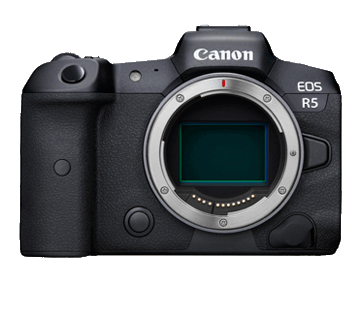
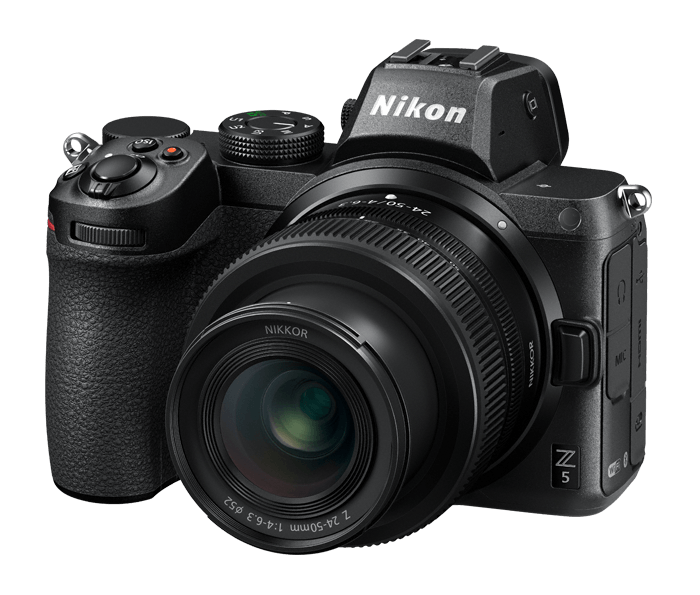
The Canon EOS R5 and Nikon Z5 are two of the most prominent full-frame mirrorless cameras released in 2020, appealing to photographers and videographers alike. The R5 targets enthusiasts and professionals seeking top-tier performance, while the Z5 caters to a broader audience with its compelling price point and solid performance. Both are electric choices for anyone considering a switch to mirrorless or looking to upgrade from an entry-level DSLR. Their specifications reveal crucial differences that can influence a buyer's decision, such as image quality, autofocus systems, video capabilities, and overall value for money.
Specifications Comparison
Detailed Comparison
Image Quality
When it comes to image quality, the Canon EOS R5 excels with its impressive 45-megapixel full-frame sensor, producing high-resolution images that capture intricate details, making it ideal for landscape and portrait photographers. Its ISO range of 100-51200, which can be expanded up to 102400, allows for great low-light performance. In contrast, the Nikon Z5 features a solid 24-megapixel sensor that, while good, cannot match the resolution offered by the R5. The Z5's ISO range of 100-51200, which also expands up to 102400, also provides decent low-light capabilities but lacks the finer detail at higher resolutions. Thus, for those prioritizing image quality, especially when dealing with large prints or heavy cropping, the R5 is the clear winner.
Autofocus System
The autofocus capabilities of the Canon EOS R5 are impressive, boasting 1053 autofocus points that cover most of the frame, facilitating fast and accurate focusing even in challenging conditions. The sophisticated AI-driven Dual Pixel technology empowers the R5 with superior tracking abilities, particularly for moving subjects. On the other hand, the Nikon Z5, with its 273 autofocus points, still offers reliable performance but pales in comparison to the R5's advanced system. While the Z5's autofocus is satisfactory for many still photography situations, it lacks the speed and precision that high-action scenarios require. Therefore, the R5 stands out significantly for photographers who demand exceptional autofocus performance.
Video Capabilities
For videographers, the Canon EOS R5 again shines with 4K video capabilities at an impressive 120 frames per second, making it a powerful tool for high-speed cinema-style production. It also offers superior formats like 8K recording, giving filmmakers unprecedented flexibility in post-production. The R5's in-body stabilization provides 8 stops of shake correction, further enhancing its videography credentials. In comparison, the Nikon Z5 records 4K video at 30 frames per second with a 1.5x crop factor, which may limit certain creative shots. Furthermore, its 5 stops of stabilization, while effective, does not match the R5's capabilities. Thus, for video production, the R5 is the clear winner again.
Build & Ergonomics
Both cameras boast robust build quality with weather sealing, making them suitable for use in a variety of environments. The Canon EOS R5 weighs 738 grams and has dimensions of 138 x 98 x 88 mm. It includes a larger grip that many photographers find comfortable for extended use. The Nikon Z5, slightly lighter at 675 grams and more compact at 134 x 101 x 70 mm, is also ergonomically designed but may feel a bit smaller in hand for users with larger fingers. Both cameras feature electronic viewfinders and tilting touch screens. However, the slightly superior build quality and ergonomics of the R5, particularly its larger room for maneuvering, might earn it the edge here.
Battery & Storage
When considering battery life, the Nikon Z5 substantially outperforms the Canon R5, with a rating of 470 shots compared to the R5's 320 shots. This can make a significant difference for those shooting long events or spending time in remote locations without the opportunity to recharge. Additionally, the Z5 supports dual card slots, allowing for an expanded storage option which is beneficial for photographers who need backup during important shoots. The R5, while offering superior performance, may require more frequent battery changes during extended use due to its higher consumption, relegating it to the runner-up in this category.
Value for Money
In terms of pricing, the Nikon Z5 is a more economical choice, retailing at $1399, while the Canon EOS R5 is priced significantly higher at $3899. This price difference positions the Z5 as a more accessible option for amateur photographers or those on a tighter budget. While the R5 offers superior specifications and features, the Z5 delivers great value for the features it provides, especially for users who may not need the highest performance metrics primarily targeted towards professionals. Therefore, for those seeking an entry into full-frame mirrorless photography without breaking the bank, the Z5 offers an advantageous proposition despite its lower specifications.
Lens Ecosystem
Both Canon and Nikon have made substantial investments in their mirrorless lens ecosystems. The Canon RF mount, associated with the R5, currently offers an extensive range of high-quality lenses tailored for professionals, including fast prime and versatile zoom options. Canon's push for innovative lens design that complements the R5's capabilities stands out. However, the Nikon Z lenses, while growing, don't match the same quantity yet, although Nikon has been expanding its offerings rapidly. For photographers who prioritize having a large selection of high-quality native lenses to choose from, the Canon lens ecosystem can be a significant factor, thus favoring the R5 in this regard.
Our Verdict
Overall, the Canon EOS R5 stands as the superior choice, excelling in image quality, autofocus capabilities, and video performance, which are crucial for professional work. On the other hand, the Nikon Z5 offers remarkable value for its price, excellent battery life, and ergonomics suited for amateurs or those looking to save. While the R5 is ideal for photographers and videographers seeking unparalleled performance and features, the Z5 remains a strong contender for those whose needs are less demanding but still want the benefits of a full-frame mirrorless system.
Canon EOS R5
Nikon Z5
Also Compare
Frequently Asked Questions
Is the Canon EOS R5 worth the higher price?
If you require high resolution and advanced video capabilities, the Canon EOS R5 is a worthy investment, especially for professional use. Its advanced features are justified by the exceptional performance it delivers.
Can the Nikon Z5 handle professional photography?
Yes, the Nikon Z5 is capable of handling professional photography. It offers solid performance, especially for events or landscapes, though it may fall short in speed and high-resolution needs compared to the R5.
What is better for video, Canon or Nikon?
Overall, the Canon EOS R5 reigns supreme for video production with high frame rates and advanced features, whereas the Nikon Z5 is adequate for casual videography but lacks advanced performance options.
Which camera is better for low-light performance?
The Canon EOS R5 gives slightly better low-light performance due to its higher resolution and advanced noise control, while both cameras can function well in challenging lighting but the R5 offers finer detail.
Are the lenses interchangeable between Canon and Nikon systems?
No, Canon RF mount lenses are not interchangeable with Nikon Z mount lenses due to different designs and electronic systems, so a lens system needs to be built around your chosen camera brand.