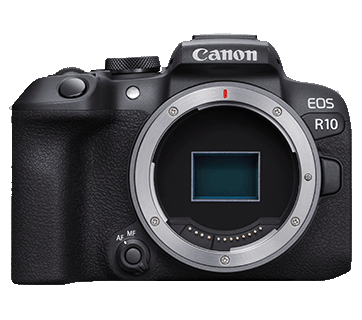
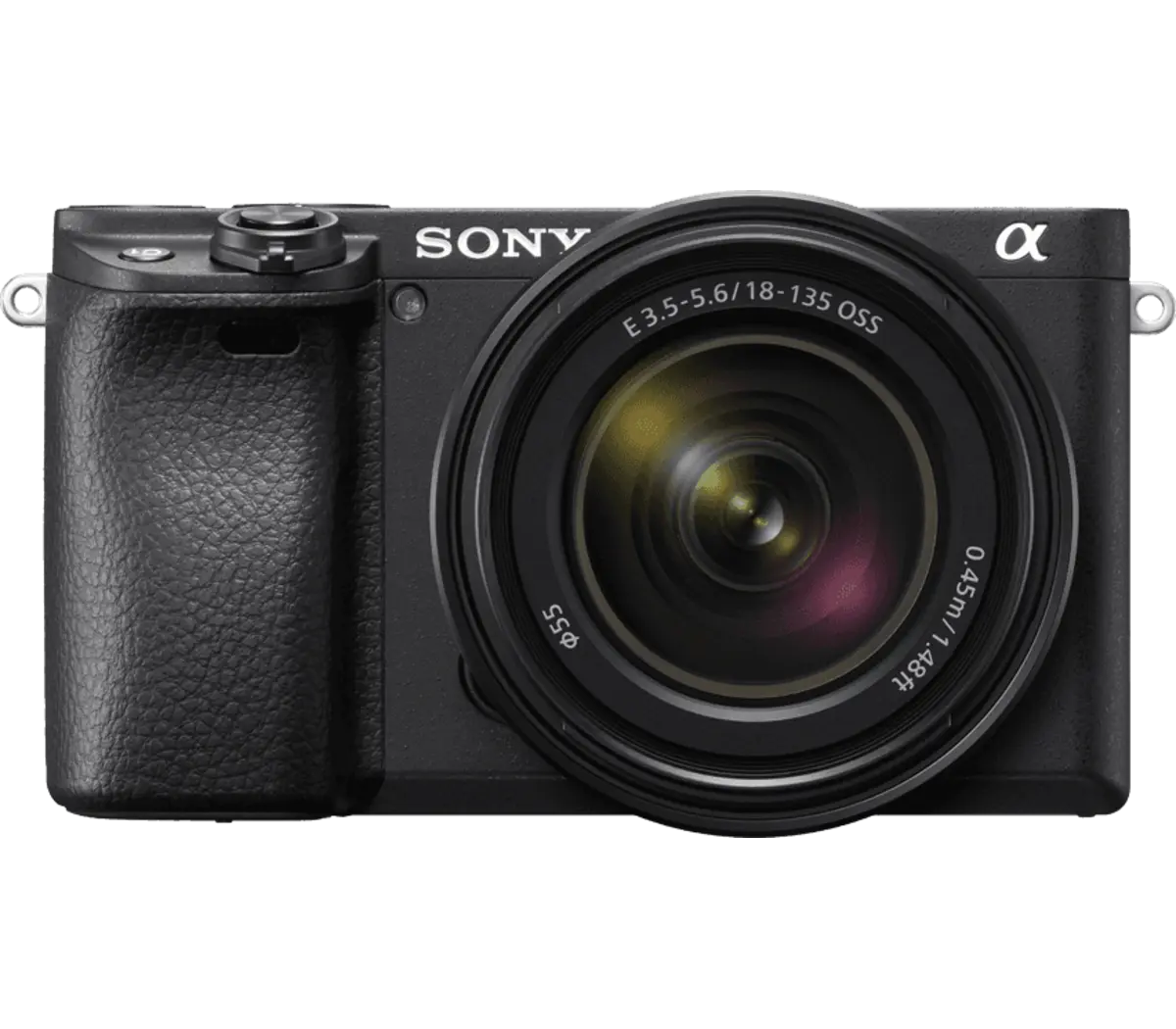
The Canon EOS R10 and the Sony A6400 are two highly regarded mirrorless cameras frequently compared by photographers and videographers. Both models target enthusiasts who seek advanced features in a compact format. They share a similar APS-C sensor size, offering a solid balance of portability and image quality, making them ideal for travel and day-to-day shooting. However, each camera has its unique strengths that appeal to different user preferences, which can make the choice challenging.
At first glance, both cameras boast impressive specifications, including a resolution of 24 megapixels and the capability to shoot 4K video. However, distinctions exist in areas such as autofocus, build quality, and battery life, among others. Understanding these differences can significantly impact the user experience and final selection, depending on the specific needs or intended applications of the photographer or videographer.
Specifications Comparison
Detailed Comparison
Image Quality
Both the Canon EOS R10 and the Sony A6400 feature a 24-megapixel APS-C sensor, providing excellent resolution and detail. However, the Sony A6400 has a slight edge in ISO performance, as it can be expanded up to 102,800, while the R10's ISO limit is 32,000. In practical terms, this means that the A6400 may perform better in extremely low light conditions, yielding cleaner images with less noise.
Additionally, the R10 implements Canon's renowned color science, praised for its skin tones and vibrant colors, which can be an advantage for portrait photography. In contrast, the A6400 offers superior dynamic range, which benefits landscape photographers and those who often shoot in high-contrast scenes.
Both cameras deliver superb image quality, but the specific needs of the user and shooting environments will dictate which camera performs better under different circumstances. Overall, the differences may be subtle, but they can influence image aesthetics significantly.
Autofocus System
When it comes to autofocus, the Canon EOS R10 boasts an impressive 651 autofocus points, significantly outpacing the A6400's 425 points. This wide coverage allows for faster and more accurate focusing across a larger area of the frame. The R10 utilizes Canon's Dual Pixel CMOS AF technology, which excels in detecting moving subjects, particularly in video mode.
On the other hand, the Sony A6400 employs Real-time Tracking and Real-time Eye Autofocus, renowned for its incredible speed and precision, especially with moving subjects. Many users have reported that the A6400's system is exceptionally reliable, often capturing sharp focus even during action shots.
Ultimately, if autofocus speed and subject tracking are priorities, the actionable benefits of the A6400 might tip the scales for some users, despite the numerical advantage of the R10. But for those who prioritize a broader coverage of autofocus points, the Canon model might be more effective.
Video Capabilities
Both the Canon EOS R10 and the Sony A6400 offer impressive video capabilities for their respective classes, with both providing 4K video resolution at 30p. However, the implementation of these features varies.
The R10 features a user-friendly interface and offers various frame rates, including 120p in 1080p, making it an excellent choice for slow-motion video. It also includes a microphone jack and uncompressed HDMI output, appealing to those who may seek higher audio quality or external recording options.
Conversely, the A6400 has gained a reputation for exceptional video autofocus capabilities, featuring advanced Eye AF for video and impressive subject tracking. These features ensure that professional videographers can capture sharp, well-focused footage with minimal effort, even during dynamic shots.
In summary, while both cameras are capable of impressive video, users focused on ease of use and advanced autofocus tracking may find the A6400 slightly more appealing.
Build & Ergonomics
The build quality of both cameras reflects their positioning in the market, but there are notable differences. The Canon EOS R10 is slightly larger and heavier, weighing 426g and measuring 123 x 88 x 83 mm. Its grip is designed for comfort and ease of handling, making it an appealing option for extended shooting sessions.
On the other hand, the Sony A6400 is more compact and lightweight at 403g, with dimensions of 120 x 67 x 60 mm. This retention of portability is particularly valuable for users on the go. The A6400 also features weather-sealing, providing additional protection against the elements, which may be a crucial factor for outdoor photographers.
Ultimately, users need to ascertain whether they prefer a slightly bulkier camera with a comfortable grip or a more compact, portable option that can withstand harsher shooting conditions.
Battery & Storage
Battery life is a critical consideration, especially for those planning to shoot extensively without frequent interruptions. The Canon EOS R10 offers an impressive 450 shots per charge, outlasting the A6400, which sits at approximately 410 shots. This advantage could sway users who favor long shooting sessions without the hassle of swapping batteries.
In terms of storage, both cameras utilize SD cards, with the A6400 supporting UHS-I, while the R10 can also support UHS-II speeds, allowing for faster writing speeds, which is advantageous when shooting large files like 4K video.
When weighing battery and storage, the R10 could be considered more favorable due to its longer battery life and compatibility with faster memory cards, which benefits those who want to maximize their shooting efficiency.
Value for Money
Pricing can heavily influence buyer decisions, with the Canon EOS R10 retailing at around $979 and the Sony A6400 at $900. The slightly lower price of the Sony A6400 may appeal to budget-conscious consumers who desire high-quality imaging and video capabilities without stretching their budget.
However, the R10 offers advanced features, particularly in autofocus and battery performance, which may justify the higher price for certain users, especially those focused on fast-moving subjects or requiring extended shooting sessions.
Ultimately, the choice in value will depend heavily on what features are deemed essential by the buyer. For those who require extensive autofocus and better battery life, the R10 is a better investment. But for those prioritizing a more compact design and video functionalities, the A6400 presents an attractive option.
Our Verdict
Overall, the Canon EOS R10 emerges as the winner in this comparison, primarily due to its superior autofocus capabilities and longer battery life, making it a great fit for action photographers and those who shoot extensively. While the Sony A6400 excels in video autofocus and compact design, the slight price saving does not outweigh the enhanced features offered by the R10 for many users. Still, both cameras provide exceptional value and performance, catering to a broad range of photographers from enthusiasts to semi-professionals.