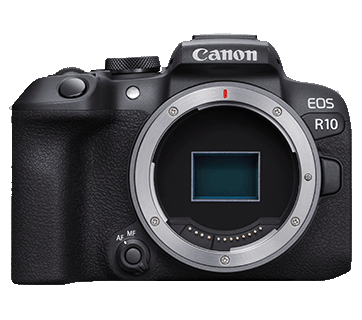
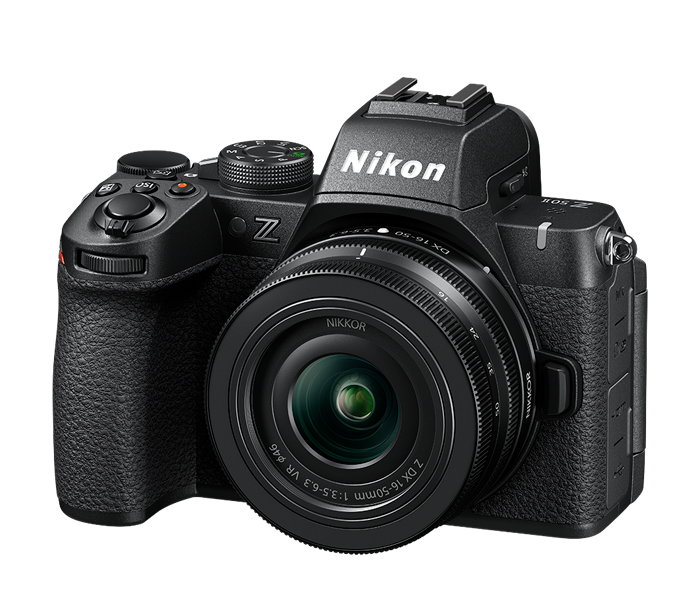
The Canon EOS R10 and Nikon Z50II are two popular mirrorless cameras targeting both enthusiasts and advanced amateur photographers. With similar price points and shared APS-C sensor formats, they attract buyers looking for compact, versatile options for photography and video work. Choosing between these two models often comes down to specific needs related to image quality, autofocus performance, video capabilities, and build quality. While both cameras excel in their domains, their differing specifications and features can significantly impact the decision-making process for potential buyers.
Specifications Comparison
Detailed Comparison
Image Quality
In terms of image quality, both cameras utilize APS-C sensors, but their resolution and ISO performance sets them apart. The Canon EOS R10 features a 24-megapixel sensor, which allows for higher resolution images, enabling better detail retention, particularly in large prints or when cropping. On the other hand, the Nikon Z50II has a slightly lower 21-megapixel sensor but boasts a superior ISO range, extending up to 51,200 natively and a potential expansion to 204,800, which can enhance performance in low-light conditions. This feature gives the Z50II an edge when shooting in challenging lighting environments. Both cameras offer impressive image quality, but the differences in resolution and high ISO performance could make a significant difference to professional users, particularly in low light situations.
Autofocus System
The autofocus systems in both cameras are robust, but the Canon EOS R10 significantly outclasses the Nikon Z50II due to its extensive 651 autofocus points compared to just 231 in the Z50II. This comprehensive coverage allows for superior tracking and accuracy, especially for fast-moving subjects, making it more suitable for sports and wildlife photography. In contrast, while the Nikon Z50II employs a competent autofocus system, it may struggle more in fast-paced situations. The Canon also integrates advanced features like eye detection for both humans and pets, further solidifying its position in autofocus capabilities. Users relying on reliable and fast autofocus will find the R10 a better option.
Video Capabilities
When comparing video capabilities, the Canon EOS R10 offers 4K video at 30 frames per second, while the Nikon Z50II's offerings are not specified in the provided metrics. However, the R10's ability to shoot in 4K is a significant advantage over the Z50II, presenting more options for videographers looking to capture cinematic footage. Additionally, the lack of stabilization in both models may limit the use of handheld shooting for video, but users can still employ gimbals or other stabilization aids when filming. Ultimately, for those focused on video, the R10 provides a more robust set of features ideal for creative filmmaking.
Build & Ergonomics
Regarding build quality and ergonomics, the Nikon Z50II has the advantage of being weather-sealed, making it more suitable for outdoor shooting in varying environments. This added durability can be critical for photographers who often work under unpredictable weather conditions. On the other hand, the Canon EOS R10 is lighter at 426 grams compared to the Z50II's 550 grams, which can make a significant difference for those who prioritize portability. The R10's slightly smaller dimensions may also translate to better handling for long shooting sessions. Ultimately, the choice may depend on whether the user values weather resistance or prefers a lighter camera.
Battery & Storage
Battery life is a key consideration for photographers and videographers who often shoot for extended periods. The Canon EOS R10 boasts a longer battery life of about 450 shots, which is advantageous for those who don't want to carry extra batteries. Conversely, the Nikon Z50II has a lower rated battery life of 250 shots, potentially requiring more frequent power management or spare batteries during long shoots. Regarding storage, both cameras utilize SD cards, providing good compatibility with existing storage media. For those willing to shoot extensively without interruptions, the R10's longer battery life makes it a more appealing option.
Value for Money
In terms of price, the Canon EOS R10 is priced around $979, which is competitive considering its features, particularly the autofocus system and video capabilities. Meanwhile, specific pricing for the Nikon Z50II has not been provided but is likely in a comparable range based on its features. The EOS R10 presents more value for those needing improved autofocus for action shots and quality video capabilities for content creation. However, the Z50II's weather-sealing may justify a slightly higher price for users who prioritize that aspect. Overall, the R10 offers a more rounded package for the average user.
Our Verdict
Overall, the Canon EOS R10 takes the win in this comparison, thanks to its superior image quality, exceptional autofocus system, and better video capabilities, making it more versatile for a variety of shooting situations. While the Nikon Z50II offers advantages with its weather-sealing and solid construction, it falls short in key performance areas that many users may find essential. For photographers and videographers relying on responsive autofocus and video features, the R10 is undoubtedly the preferred choice. However, if build quality and durability are paramount, the Z50II remains a valid option.
Canon EOS R10
Nikon Z50II
Also Compare
Frequently Asked Questions
Which camera is better for low-light photography?
The Nikon Z50II has an expanded ISO range that might perform better in low-light conditions compared to the R10, making it a solid choice for low-light scenarios.
How do the video capabilities compare?
The Canon EOS R10 offers 4K video at 30p, while the specifications for the Z50II's video capabilities are not detailed, putting the R10 ahead in this aspect for videographers.
Is weather sealing important?
If you frequently shoot in outdoor conditions and need a rugged camera, the weather-sealed construction of the Nikon Z50II is an important consideration.
Which camera has better autofocus performance?
The Canon EOS R10 excels with 651 autofocus points, providing superior tracking capabilities compared to the Nikon Z50II's 231 autofocus points.
Which camera is lighter?
The Canon EOS R10 is lighter at 426 grams compared to the Nikon Z50II, making it more suitable for long shooting sessions.