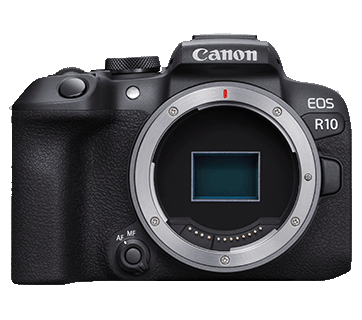
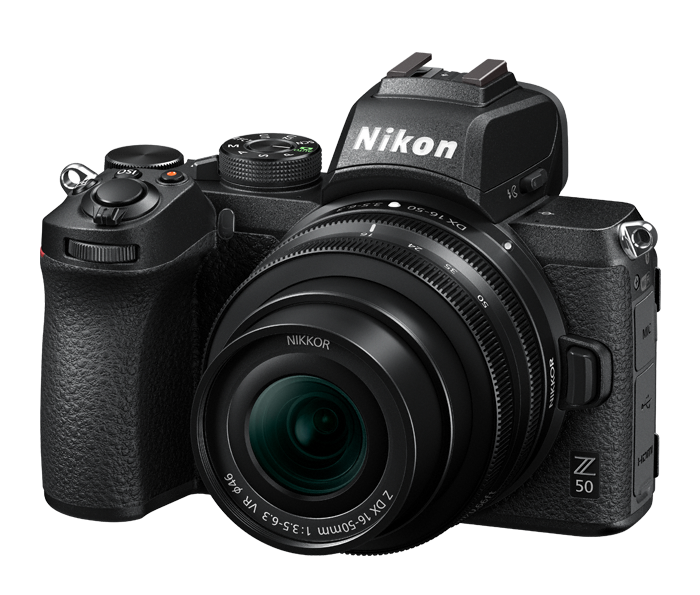
The Canon EOS R10 and Nikon Z50 are two highly regarded APS-C mirrorless cameras that often attract beginner and enthusiast photographers alike. Both models offer compelling features and specifications, making them popular choices among those looking to upgrade from entry-level DSLRs or small sensor cameras. Buyers typically find themselves choosing between these models based on factors such as autofocus capabilities, video performance, and overall handling. By understanding the key differentiators between these two cameras, potential buyers can make a more informed decision tailored to their specific needs.
Specifications Comparison
Detailed Comparison
Image Quality
Both the Canon EOS R10 and Nikon Z50 excel in image quality, though they differ slightly in resolution and sensor characteristics. The EOS R10 features a 24-megapixel APS-C sensor, providing a bit more detail compared to the 21-megapixel sensor of the Z50. This additional resolution can be beneficial for photographers who frequently crop images or need larger prints. However, the Z50 offers an impressive ISO range, expanding up to 204,800, which may give it an edge in low-light scenarios, allowing for cleaner images at higher sensitivities compared to the R10's maximum of 32,000.
In practical use, both sensors perform well, with the EOS R10 typically producing vibrant colors and decent dynamic range. Meanwhile, the Z50's sensor is known for its excellent high ISO performance, making it a strong contender for nighttime or indoor photography. Both cameras provide good JPEGs right out of the camera with minimal processing, which many users appreciate.
Ultimately, while both cameras deliver excellent image quality, those prioritizing resolution might lean towards the EOS R10, while low-light shooters might prefer the Z50. However, for general photography, both deliver fantastic results without significant compromises.
Autofocus System
When it comes to autofocus systems, the Canon EOS R10 boasts a more advanced autofocus mechanism with 651 autofocus points, compared to the Nikon Z50's 209 points. The R10 utilizes Dual Pixel CMOS AF technology, which is renowned for its speed and accuracy, particularly for moving subjects and during video shooting. This extensive AF point coverage is a great advantage in dynamic scenes, especially in sports or wildlife photography. The R10 also provides impressive tracking capabilities during continuous shooting at up to 15 frames per second.
On the other hand, the Z50's autofocus, while effective, may not match the R10 in overall performance due to its limited number of focus points. However, the Z50 still showcases reliable autofocus that performs adequately for most casual shooting scenarios. It also includes features like Eye-Detection AF, which helps in portrait photography.
For photographers who prioritize rapid autofocus and versatility, the Canon EOS R10 offers superior performance, making it more suited for action or unpredictable subjects.
Video Capabilities
Both the Canon EOS R10 and Nikon Z50 offer 4K video recording at 30 frames per second, making them appealing options for videographers. However, the EOS R10 has a significant advantage when it comes to autofocus during video recording, as its Dual Pixel AF system provides smooth and precise focus transitions while shooting. This is particularly valuable for vloggers or creators who need reliable autofocus when moving within the frame.
In comparison, while the Z50 also produces good quality 4K videos, its autofocus system is not as advanced as that of the R10, which may lead to occasional focus hunting during motion, potentially frustrating users looking for smooth performance. Additionally, the R10 supports various frame rates and can record in longer durations, which further enhances its versatility for video content creation.
For those focusing on video content, the Canon EOS R10 clearly outshines the Nikon Z50, making it the go-to choice for aspiring filmmakers and content creators.
Build & Ergonomics
The build quality and ergonomics of both the Canon EOS R10 and Nikon Z50 are well thought out, but they offer different experiences. The R10 is lighter and more compact, weighing 426 grams, which makes it easier to carry for extended periods. It also has a relatively small form factor, beneficial for travel and street photography. In terms of control layout, Canon typically provides a user-friendly interface, making it easier for beginners to navigate settings.
In contrast, the Nikon Z50 is slightly bulkier at 450 grams but offers a more robust and weather-sealed body, making it a better option for outdoor photography in varying conditions. The Z50 also features a larger 3.2" screen with 1,040,000 dots, providing better resolution for reviewing images and composing shots, which can enhance the shooting experience further.
While the R10 is very portable and easy to handle, the Z50's build quality, particularly its weather-sealing, may appeal more to those who often shoot in unpredictable weather. Therefore, while the form factors vary, each has its distinct set of benefits that cater to different types of photographers.
Battery & Storage
The battery performance varies significantly between the two models. The Canon EOS R10 boasts a battery life of approximately 450 shots, which is superior compared to the Nikon Z50's 320 shots. This extended battery life can be a crucial factor for photographers who spend long hours on shoots, as it reduces downtime for battery changes or recharges.
In terms of storage, both cameras utilize SD cards, but the specific type of card each camera supports can affect performance with high-speed recording files. Neither camera offers dual card slots, which could be a drawback for professionals needing extensive backup options.
Due to its better battery life, the R10 offers a more practical solution for users expecting to shoot extensively throughout the day without frequent interruption. Consequently, it provides a clear advantage in this aspect.
Value for Money
Pricing is an essential consideration for buyers, and here the Nikon Z50 is slightly more appealing, priced at $859, compared to the Canon EOS R10 at $979. Given the features both cameras offer, the Z50 presents excellent value, especially considering its weather-sealing and solid build quality. It's an excellent option for photography enthusiasts who want a high-quality camera experience without breaking the bank.
However, the added features and advanced technology of the EOS R10 also justify its higher price in various contexts. With superior autofocus, battery life, and video capabilities, the R10 could be viewed as a better investment for serious photographers or those who prioritize these functionalities.
Ultimately, while the Z50 offers great value for budget-conscious buyers, the Canon EOS R10 provides considerable benefits that may warrant its higher price for users who will leverage its advanced capabilities more frequently.
Lens Ecosystem
Both Canon and Nikon provide a decent range of lenses for their respective systems, but there are some nuances worth considering. The Canon RF mount, associated with the EOS R10, has a rapidly growing selection of lenses, including high-quality options that are well-suited for both photography and videography. This evolution can provide more flexibility for users in the long term as Canon continues to expand its lens offerings.
Conversely, the Nikon Z mount has less variety compared to Canon but includes some excellent native lenses that can compete in terms of quality and performance. Nikon plans to expand the Z lens lineup, which could make the Z50 a worthwhile investment as the system matures. However, currently, users might find fewer options available compared to Canon's RF selection.
The decision can hinge on future-proofing: if you are investing in lenses to match your camera, the Canon EOS R10 currently holds the edge due to its more extensive range of available lenses.
Our Verdict
Overall, the Canon EOS R10 is the winner of this comparison due to its superior performance across several key areas, including autofocus, video capabilities, and battery life. It is particularly suitable for users focused on action photography or video content creation, offering features that enhance the shooting experience. The Nikon Z50, while slightly cheaper and benefiting from weather-sealing and solid build quality, may appeal more to those seeking a robust camera for outdoor use with satisfactory performance for most photography needs. Therefore, each camera serves its end users well, but the R10 stands out for its advanced capabilities and performance.
Canon EOS R10
Nikon Z50
Also Compare
Frequently Asked Questions
Which camera has better autofocus?
The Canon EOS R10 offers superior autofocus with 651 points compared to the Nikon Z50's 209 points, making it a better choice for action photography.
Is the video quality the same in both cameras?
Both cameras support 4K video at 30p, but the R10's autofocus system delivers smoother focusing during video recording.
Which camera has better image quality?
The Canon EOS R10 has a higher resolution at 24 megapixels, providing slightly better detail than the Z50's 21 megapixels, but the Z50 excels in high ISO performance.
How does battery life compare?
The Canon EOS R10 has a battery life of about 450 shots, significantly better than the Nikon Z50's 320 shots, making it a more suitable choice for extended shoots.
Which camera is better for outdoor photography?
The Nikon Z50 is weather-sealed, making it a better choice for outdoor photography in varying conditions, whereas the R10 lacks this feature.