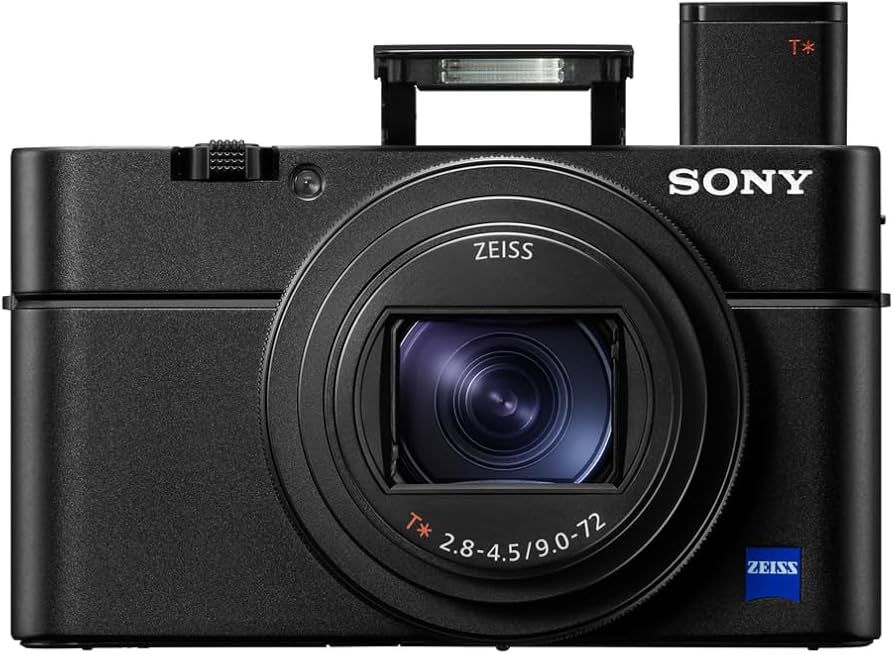
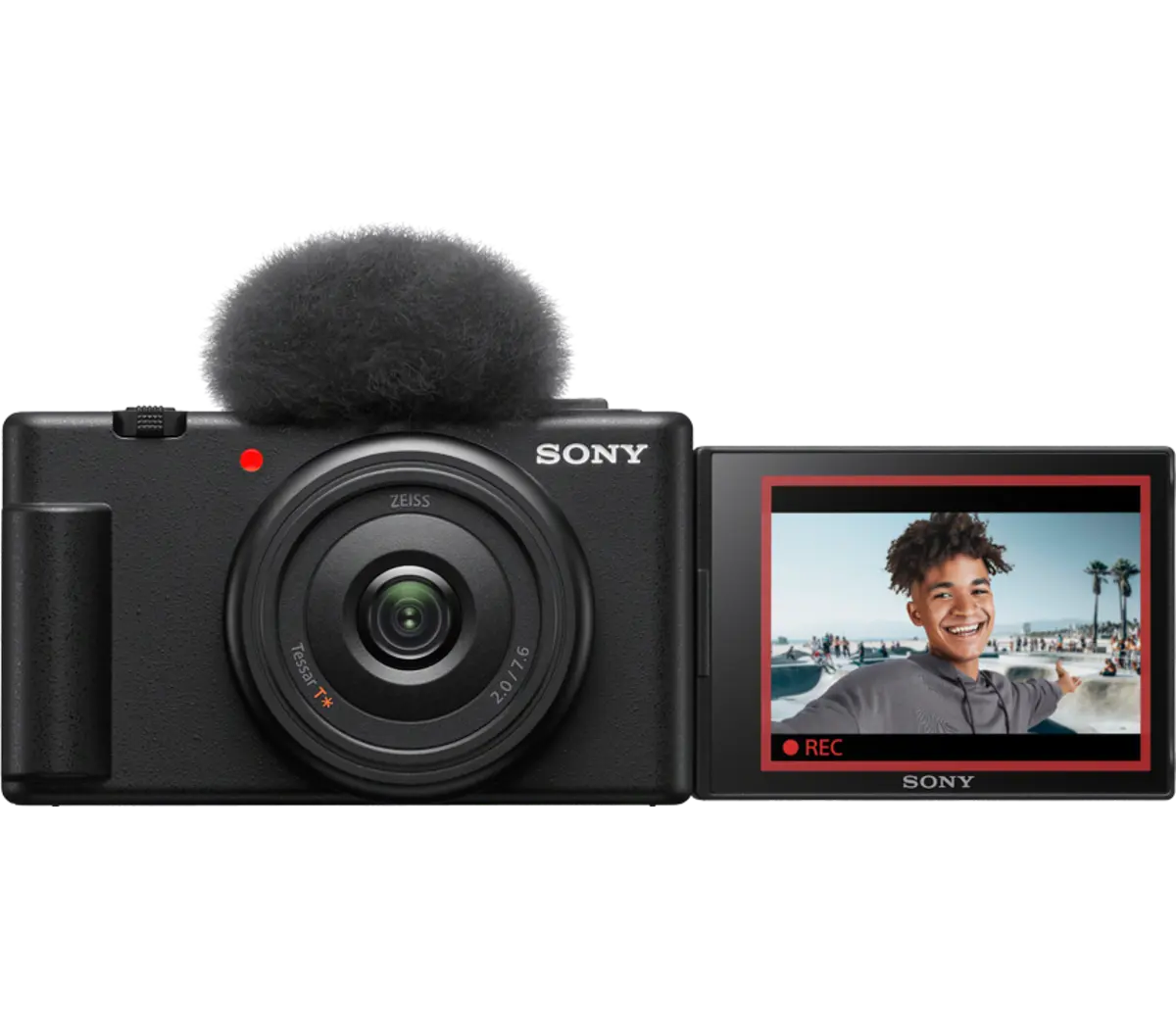
The Sony RX100 VII and Sony ZV-1F are two compact cameras that cater to different audiences within the photography and videography communities. The RX100 VII is a versatile, high-end compact camera aimed primarily at enthusiasts and professionals who require advanced features in a portable form factor. In contrast, the ZV-1F is designed with vloggers and content creators in mind, focusing on ease of use and functionality for capturing engaging video content. With both cameras utilizing a similar 1-inch sensor, buyers are often torn between their unique strengths and intended uses.
The key differentiators lie primarily in their features, performance specs, and price points. While the RX100 VII excels in autofocus performance, video capabilities, and overall image quality, the ZV-1F stands out as a more budget-friendly option with simplified controls tailored for vloggers. This comparison will explore various aspects of both cameras to help prospective buyers make informed decisions based on their specific needs and preferences.
Specifications Comparison
Detailed Comparison
Image Quality
Both the Sony RX100 VII and the Sony ZV-1F feature a 1-inch (13.2 x 8.8 mm) sensor with 20 megapixels, ensuring they both deliver high-quality images with impressive detail. However, the RX100 VII boasts a broader ISO range from 125 to 12800 compared to the ZV-1F, allowing for better performance in low-light conditions. This enables the RX100 VII to capture cleaner images with less noise at higher ISO settings.
Additionally, the RX100 VII's image processing system incorporates advanced technologies that enhance color reproduction and dynamic range, which can be pivotal for photographers looking for accurate and vivid images. The ZV-1F, while still capable of producing great images, may not match the overall quality in varied environments, particularly in low-light scenarios.
Considering these factors, the RX100 VII provides a more versatile and superior image quality, especially suited for photography enthusiasts demanding high fidelity in their shots.
Autofocus System
The autofocus system significantly differs between the RX100 VII and ZV-1F. The RX100 VII features an advanced hybrid autofocus system with 357 phase detection points and 425 contrast detection points, allowing for rapid and accurate focusing in various shooting conditions. This makes it an excellent choice for action photography or fast-moving subjects.
On the other hand, the ZV-1F comes equipped with 425 autofocus points, but it lacks the phase detection capabilities present in the RX100 VII. Consequently, its performance in tracking fast-moving objects may not be as effective, making it potentially less suitable for those who require precision autofocus for dynamic scenes.
As a result, the RX100 VII takes the lead in autofocus capabilities, establishing it as the better choice for users focusing on fast-moving subjects or needing reliable autofocus in challenging conditions.
Video Capabilities
In terms of video capabilities, the Sony RX100 VII supports 4K video recording at 30 frames per second, offering high-quality video output suitable for a variety of applications. It also features advanced options like HDR video and S-log for more creative control during post-production. With its robust autofocus performance, it excels in maintaining sharp focus during video recording, making it a good choice for both creators and enthusiasts.
Conversely, the ZV-1F is focused on vlogging and features 4K video recording as well. However, it lacks certain advanced video features compared to its RX counterpart, and while it is designed for ease of use, its 16 fps max frame rate during video shooting is significantly lower than the RX100 VII. This can be a limiting factor for high action or fast-paced video scenarios.
Overall, the RX100 VII wins this round with superior video capabilities and advanced features, making it a better option for serious videographers and content creators who need enhanced functionality.
Build & Ergonomics
The construction of the Sony RX100 VII is designed with a compact profile that integrates an electronic viewfinder, enhancing its usability in bright environments where screens may struggle to be visible. Its body is solid and provides a good grip, making handling comfortable during extended shooting sessions.
In contrast, the ZV-1F does not include a viewfinder but compensates with a screen that is fully articulating, making it ideal for vlogging and self-recording. The ZV-1F is lighter and slightly more compact, enhancing portability, which is essential for vloggers on the go. However, the lack of stabilization in the ZV-1F may result in shaky footage during handheld filming.
While both designs have their strengths, the RX100 VII offers a more versatile build suitable for various photography styles, making it the better choice for users who prioritize ergonomics and handling quality.
Battery & Storage
Battery performance is another critical aspect to consider. The RX100 VII has a battery life rated at approximately 260 shots, while the ZV-1F exceeds this significantly with a lifespan of around 360 shots. This extended battery life is advantageous for vloggers or users taking extended shooting sessions without needing a recharge.
Both cameras utilize similar storage formats, supporting SD cards, but with the RX100 VII, users may benefit more from faster write speeds due to its advanced video capabilities. This is important if shooting in high-quality 4K formats, where data transfer rates can affect recording performance.
In this section, although the RX100 VII is the overall better performer, the ZV-1F takes a decisive lead when strictly considering battery life, making it tailored for long video shoots.
Value for Money
Value for money is a crucial consideration when assessing these two cameras. The Sony RX100 VII comes with a premium price tag of $1200, reflecting its advanced features, image quality, and overall performance. It targets serious photographers and videographers willing to invest in higher quality for professional use.
Meanwhile, the Sony ZV-1F is positioned more affordably at $499, making it an economical choice for casual users, vloggers, or those newly entering the digital content creation space. Its lower price facilitates more accessible entry into the world of video production, despite its limitations in more advanced features found in the RX100 VII.
In summary, for those who are concerned about budget and primarily focusing on video content creation without needing high-end specifications, the ZV-1F represents outstanding value. However, for serious users who seek high performance across various aspects, the RX100 VII justifies its higher cost.
Our Verdict
Overall, the Sony RX100 VII emerges as the superior choice for buyers seeking advanced features, exceptional image, and video quality, and a robust autofocus system. It excels in providing versatile performance suited for both photography and videography. In contrast, the Sony ZV-1F finds its strengths in being a more budget-friendly and user-friendly option, particularly for content creators focused on vlogging. Therefore, prospective buyers should consider their specific needs: the RX100 VII is for serious enthusiasts and professionals, while the ZV-1F caters effectively to casual users and beginner videographers.