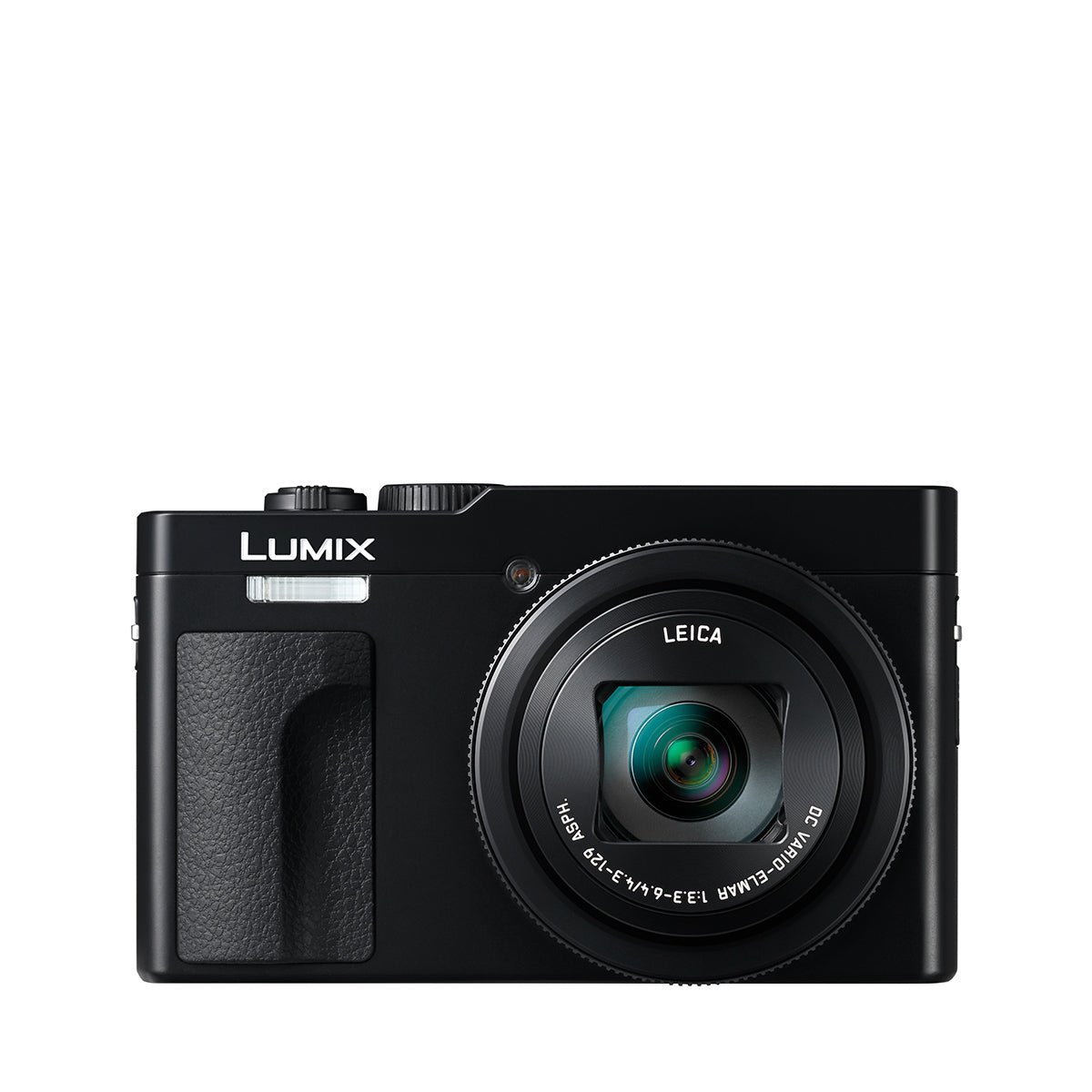
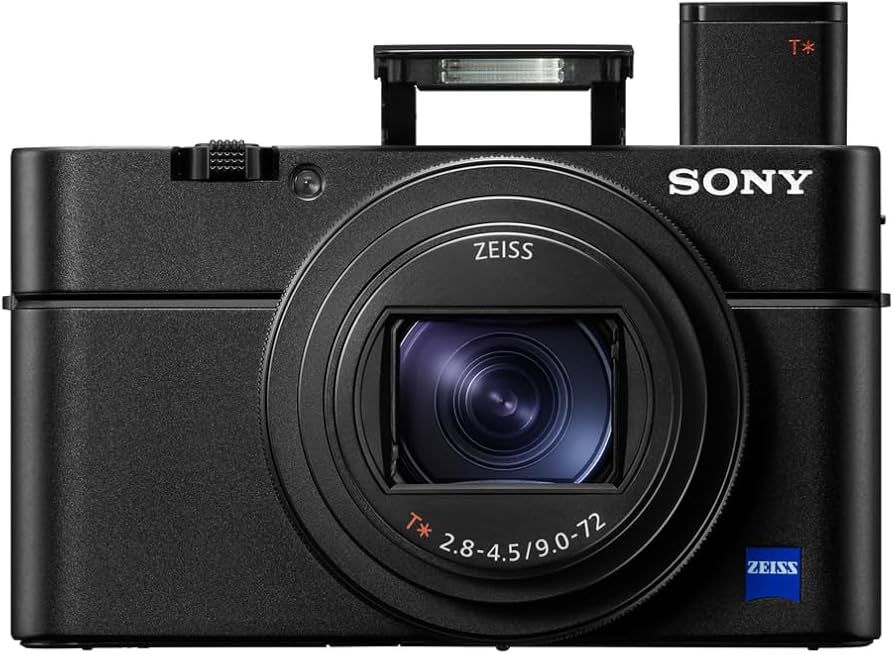
The Panasonic ZS99 and Sony RX100 VII are two compact cameras that appeal to travelers, vloggers, and casual photographers who prioritize portability without sacrificing image quality. Both models were released in 2019 and have since gained popularity for their advanced features and competitive pricing within the compact camera market. The main differentiation lies in their sensor sizes, video capabilities, and how they cater to varying types of photography and videography needs, making a choice between them dependent on the user's specific requirements and budget.
Specifications Comparison
Detailed Comparison
Image Quality
When it comes to image quality, the sensor size plays a critical role. The ZS99 features a 1/2.3" sensor, which is smaller than the 1" sensor found in the Sony RX100 VII. Generally, larger sensors are capable of capturing more light, thus providing better low-light performance and dynamic range. The RX100 VII, with its 20MP resolution, offers superior image quality, particularly in challenging conditions. However, the ZS99's 20.3MP resolution does not lag significantly, and it offers crisp images in well-lit environments. Both cameras deliver excellent detail for their size, but the RX100 VII sets itself apart in terms of depth and vibrancy in the final image due to its enhanced sensor capabilities.
Autofocus System
The autofocus system is crucial for both stills and video. The RX100 VII boasts a remarkable autofocus system with 357 phase-detection points and Real-Time Eye AF, ensuring fast and accurate focusing whether shooting stills or capturing moving subjects. In contrast, the ZS99 has a more basic contrast-detection autofocus system, which is competent but generally slower and less reliable in fast-paced scenarios. Users who often shoot moving subjects or require precise focus control for portraits will likely prefer the advanced autofocus capabilities of the RX100 VII.
Video Capabilities
Both cameras excel in video functions, with the ZS99 offering 4K video resolution and In-Body 5-axis stabilization, which can be advantageous for handheld shooting. The RX100 VII, however, supports 4K video at 30p and features sophisticated options such as high-speed 960 fps video and a higher maximum frame rate of 90 fps for slow-motion capture. Moreover, the RX100 VII benefits from advanced video functionalities like S-Log profiles, which provide more flexibility in post-production. Overall, videographers looking for more versatile and robust video options will find the RX100 VII to be the stronger performer.
Build & Ergonomics
In terms of build quality, both cameras present a solid and portable design. The ZS99 has a slightly larger footprint with dimensions of 110.0x64.4x38.5 mm and weighs 310g. It features a tilting touchscreen, which can be beneficial for shooting at various angles. The RX100 VII, while slightly smaller and lighter at 102x58x43 mm and 302g, includes an electronic viewfinder which enhances usability in bright conditions. Both cameras are well-built, making them suitable for travel, but the RX100 VII's feature set gives it an ergonomic edge.
Battery & Storage
Battery life can be a significant factor for users on long excursions. The ZS99 has a decent performance with no specific battery life indicators but is typically rated for moderate use. The RX100 VII, on the other hand, offers a battery life rated for around 260 shots per charge, which is roughly average for a camera in its class. In terms of storage, both cameras utilize SD cards, but the RX100 VII supports UHS-I, allowing for faster read/write speeds which is essential for high-resolution 4K video recording and burst shooting. Thus, while both cameras perform adequately, the RX100 VII's efficiency emphasizes its suitability for prolonged shooting sessions.
Value for Money
Price is often a decisive factor for many buyers. The Panasonic ZS99 retails at approximately $399, making it an attractive option for budget-conscious consumers who still want quality features. In contrast, the Sony RX100 VII is priced at $1,200, reflecting its advanced capabilities and targeted at professionals or serious enthusiasts willing to invest more for superior performance. While the ZS99 offers substantial value for casual use and general photography, the RX100 VII justifies its price through its enhanced performance across various aspects including autofocus, video, and image quality. Ultimately, the value proposition depends on how much the buyer intends to utilize the advanced features offered by the RX100 VII.
Our Verdict
In conclusion, while both the Panasonic ZS99 and Sony RX100 VII have their strengths, the RX100 VII emerges as the overall winner due to its superior image quality, autofocus performance, and enhanced video capabilities, making it ideal for enthusiasts and professionals. Conversely, the ZS99 provides excellent value for those who prioritize a budget-friendly option without needing the advanced features of the RX100 VII, particularly for less demanding shooting situations.