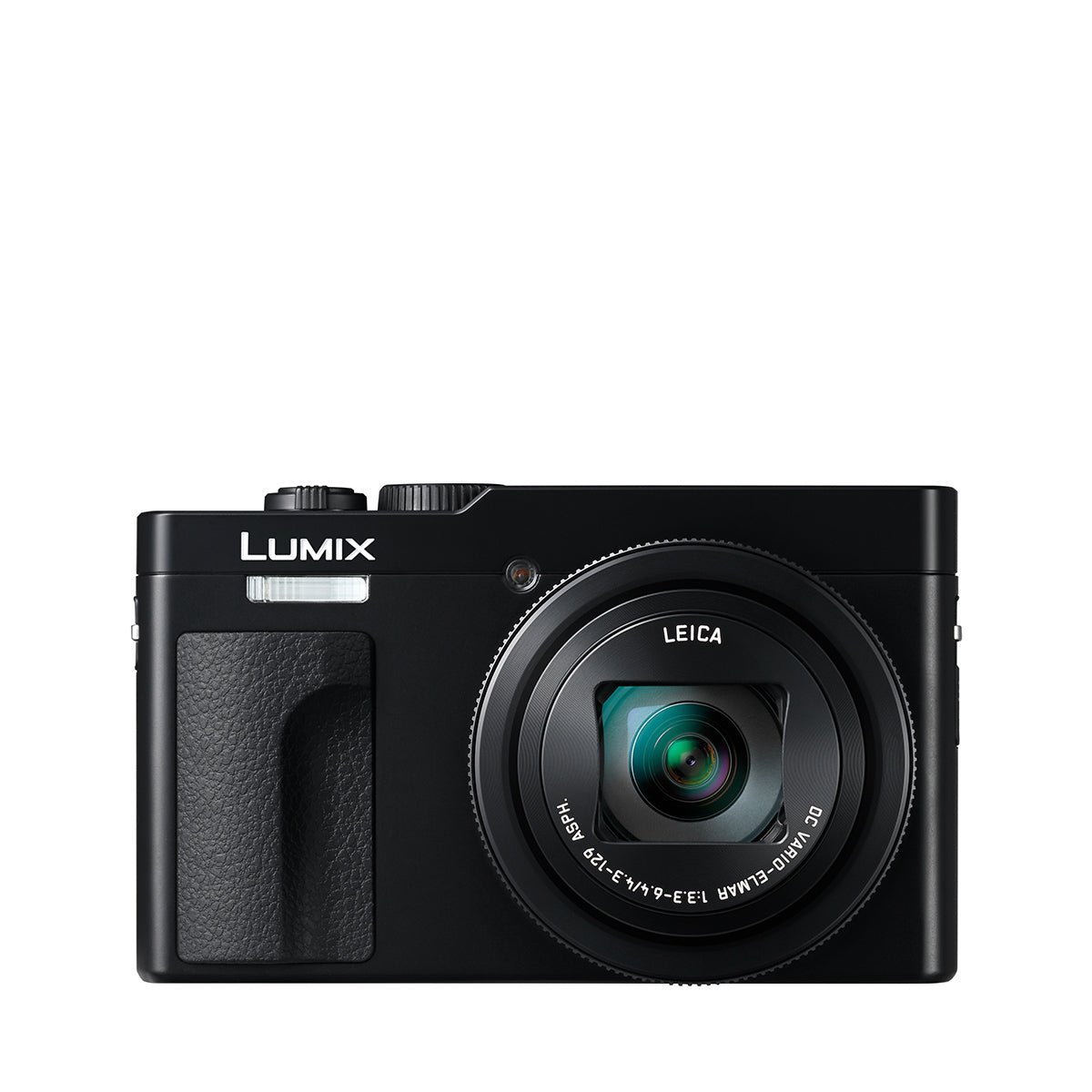
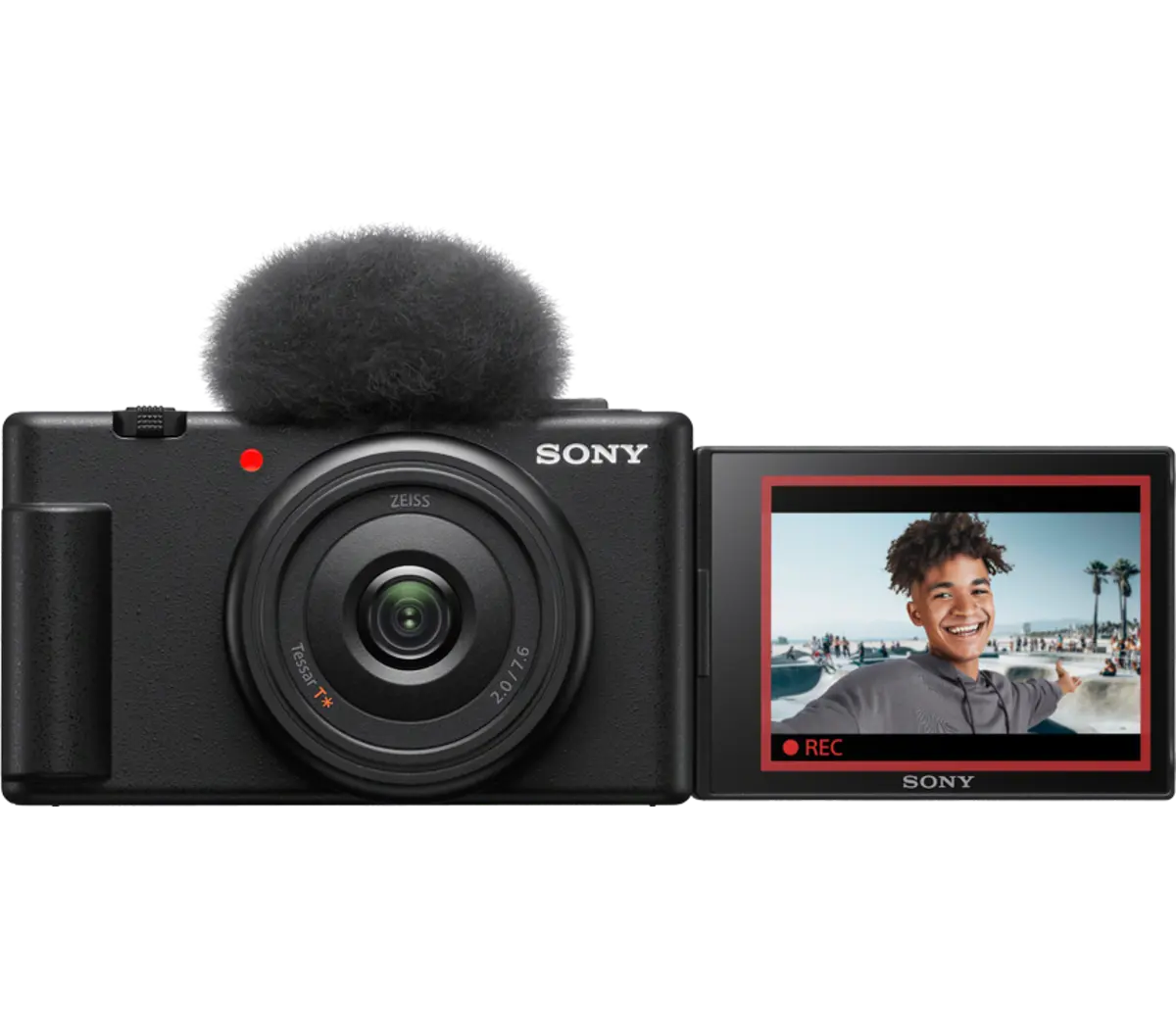
The Panasonic ZS99 and Sony ZV-1F are two compact cameras that cater to different types of consumers looking for portability without compromising on quality. Commonly compared, these models appeal to travel enthusiasts, vloggers, and everyday users wanting to capture high-quality images and videos in a compact form factor. Key differentiators between the two include sensor size, stability features, video capabilities, and overall user experience, making this comparison essential for buyers considering a versatile camera.
Specifications Comparison
Detailed Comparison
Image Quality
Image quality is a critical aspect for compact cameras, and the sensor size plays a significant role in this context. The Panasonic ZS99 features a 1/2.3" sensor with 20.3 megapixels, while the Sony ZV-1F boasts a larger 1" sensor with 20 megapixels. The larger sensor on the ZV-1F can capture more light, leading to better performance in low-light scenarios and shallower depth of field effects, which are desirable for portrait and product photography. However, the slight increase in megapixels from the ZS99 can provide a minor advantage in terms of fine detail in certain scenarios.
Additionally, real-world testing indicates that the Sony ZV-1F produces images with better dynamic range and lower noise levels compared to the ZS99, making it a superior option for more professional use. The ZV-1F's image outputs are noticeably richer in color and detail under various lighting conditions. Thus, if image quality is paramount, especially in diverse lighting situations, the winner in this category leans towards the ZV-1F.
Autofocus System
Autofocus performance is crucial for capturing fast-moving subjects or ensuring quick focus during vlogging. The Sony ZV-1F is equipped with a sophisticated autofocus system featuring 425 phase-detection autofocus points. This allows for impressive accuracy and speed in locking onto subjects, which is particularly beneficial in dynamic environments. The camera also incorporates Real-time Eye Autofocus, a feature well-regarded for portrait work.
In contrast, the Panasonic ZS99 uses a contrast-detection system that, while reliable, does not match the rapid speed and accuracy of the ZV-1F. As a result, the ZS99 may struggle a bit more in low-light situations or with fast-moving subjects. Therefore, considering the superior autofocus capabilities of the ZV-1F, this section decidedly favors it.
Video Capabilities
When it comes to video, both models support 4K recording, allowing for high-resolution content production. However, the shooting functionality introduces some distinct advantages for the Sony ZV-1F, including the ability to shoot at 16 frames per second, making it ideal for capturing fast action. Furthermore, the ZV-1F includes features specifically designed for vloggers, such as a fully articulating screen and capabilities for effective background defocus.
On the other hand, the Panasonic ZS99's video performance is solid but does not include some of the advanced video-focused features found in the ZV-1F, such as superior video autofocus and adjustable bokeh. As a result, video creatives or vloggers may find the ZV-1F provides a more cinematic experience and greater flexibility, making the overall video capabilities stronger in the Sony camp.
Build & Ergonomics
The build quality and ergonomics between both cameras differ as well, largely influenced by intended usage. The Panasonic ZS99 has a slightly larger body at 310g and dimensions of 110.0x64.4x38.5 mm, which can feel a bit bulkier for extended use. However, its in-body 5-axis image stabilization is a standout feature, providing smoother shots, particularly beneficial for handheld video and low-light photography.
Conversely, the Sony ZV-1F is more compact at 256g and measures 106 x 60 x 46 mm, making it easier to carry around-a valuable trait for travel and vlogging. However, it lacks image stabilization, which may hinder video performance. Therefore, while the ZS99 offers superior stabilization, the ZV-1F edges out on portability and overall design tailored for content creation.
Battery & Storage
Battery life is an important consideration for users who need their cameras to last through extended shoots. The Sony ZV-1F can capture approximately 360 shots on a single charge, while the Panasonic ZS99 does not share a specific shot number but is generally known for decent battery performance. Given the usage scenarios, those filming longer sessions may find they require additional batteries for the ZV-1F.
Regarding storage, both cameras support SD cards, but the direct comparison in performance will generally depend on factors like write speeds for different resolutions and formats; however, the ZV-1F's 4K video bit rates emphasize the need for high-speed SD cards. Therefore, while the ZV-1F might have an advantage in usage scenarios requiring reliability for long shoots, both models perform well in the average usage cases.
Value for Money
Pricing is a significant factor when choosing between the two cameras. The Panasonic ZS99 is priced at $399, making it the more budget-friendly option for those wanting a versatile, compact camera for travel and casual photography. Its low price, combined with decent specifications and in-body stabilization, presents a compelling entry point for many users.
In contrast, the Sony ZV-1F is priced at $499 and, while it does offer advanced features such as superior autofocus and enhanced video capabilities, the question of whether these additional features justify the higher price point will depend on the user's specific requirements. For casual users, the ZS99 likely provides sufficient functionality for less investment, making it a better value for budget-conscious buyers. Thus, for general consumers, the ZS99 stands out as the value favorite.
Our Verdict
Overall, the Sony ZV-1F emerges as the winner in this comparison, excelling in image quality, autofocus capabilities, and dedicated video features, making it an appropriate choice for vloggers and more serious content creators. However, the Panasonic ZS99's price point, in-body stabilization, and compact design position it as a highly suitable option for travelers and casual users looking for solid performance without breaking the bank, making it a worthwhile alternative for those less focused on professional-level features.