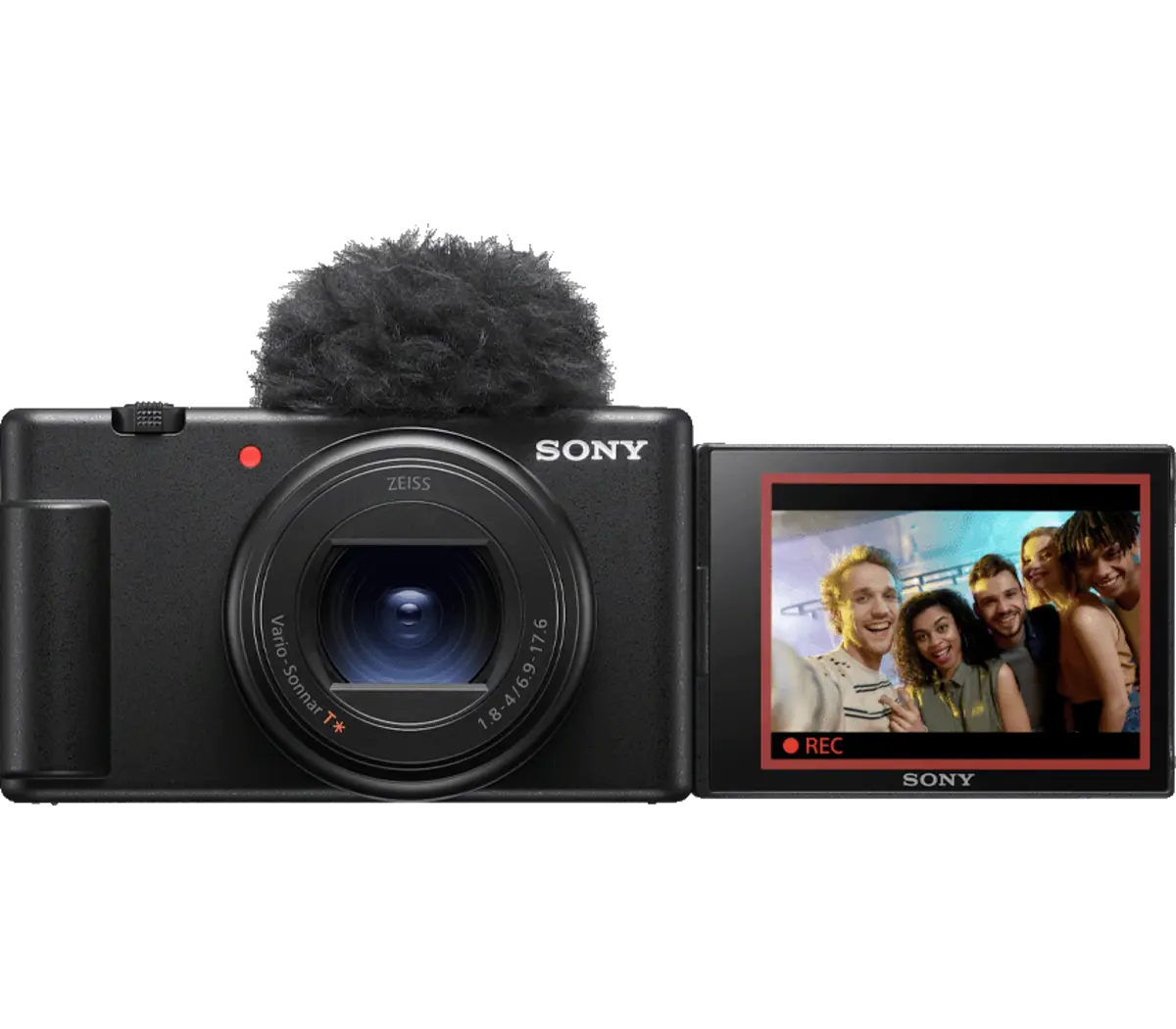
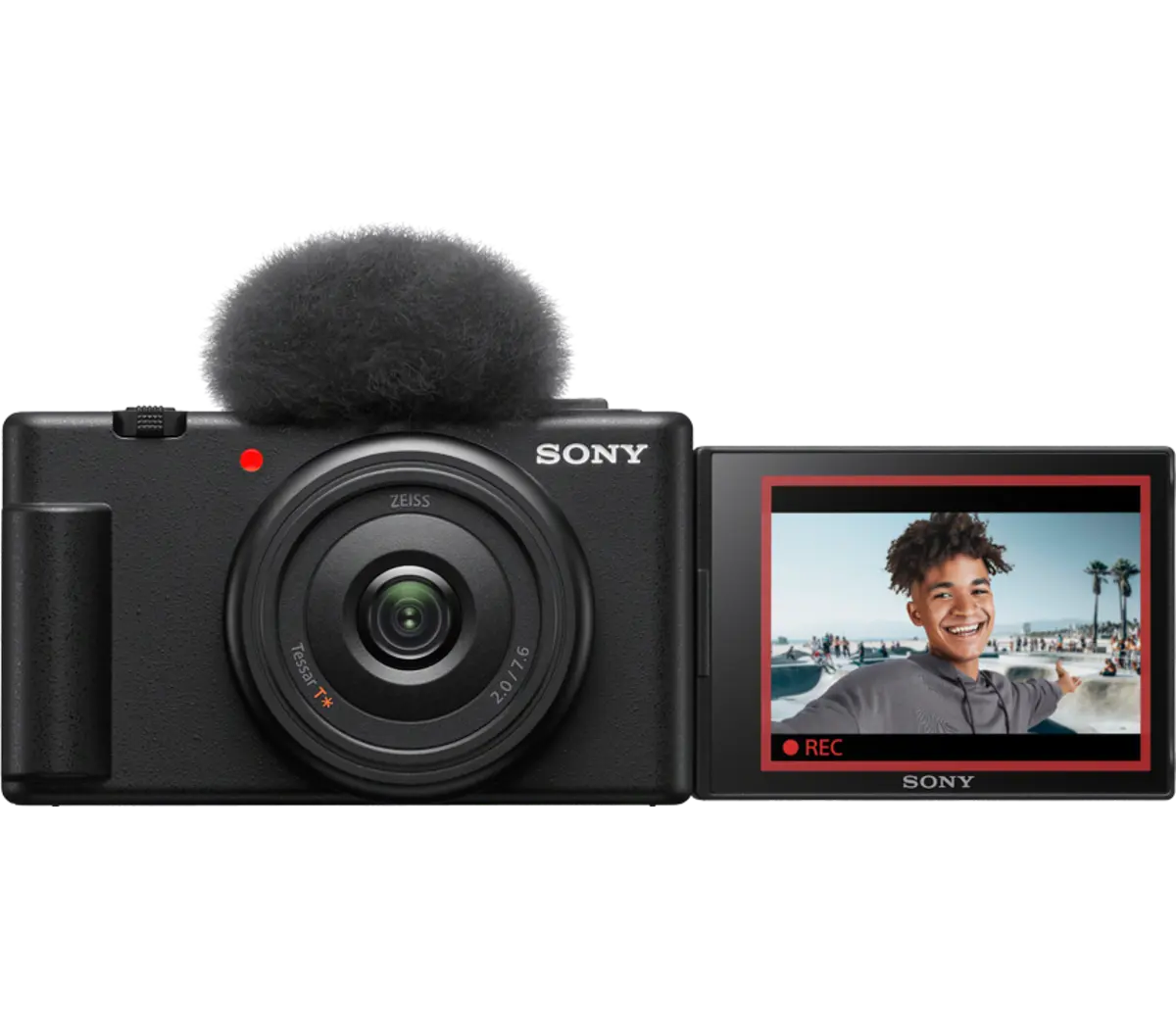
The Sony ZV-1 II and the Sony ZV-1F are two highly regarded compact cameras that cater to content creators and vloggers, often compared for their portability and video capabilities. Both models share a similar design philosophy, targeting users who value ease of use alongside quality video recording. While they both serve the same audience, these cameras come equipped with different specifications and features that may appeal to various user preferences and needs-especially those focused on video content creation versus photography.
Specifications Comparison
Detailed Comparison
Image Quality
The image quality of both the Sony ZV-1 II and the ZV-1F is quite impressive given their compact nature. The ZV-1 II features a slightly higher megapixel count, at 20.1 MP compared to the ZV-1F's 20 MP. This marginal difference may lead to slight advantages in detail, but both cameras utilize a 1.0-type sensor (13.2 mm x 8.8 mm), enabling them to perform well in low-light situations. The ZV-1 II also benefits from advanced processing capabilities introduced in 2023 that may enhance overall image fidelity and color reproduction in various lighting conditions.
In practical applications, users may find the ZV-1 II provides a more refined dynamic range and lower noise levels at higher ISO settings due to its updated processing chip. However, the ZV-1F does not lag far behind in typical shooting scenarios. Both models perform well for vlogging and social media content, retaining good detail and saturation, but the ZV-1 II edges it out slightly.
Overall, while both deliver excellent image quality, the advancements in the ZV-1 II, both in terms of processor performance and megapixels, make it the preferable choice for users seeking the best image quality.
Winner: a
Autofocus System
When comparing the autofocus systems, the Sony ZV-1 II includes advanced technologies that significantly enhance its performance. Specifically, the ZV-1 II boasts 425 autofocus points, ensuring a quick and accurate focus on subjects, particularly beneficial for vloggers and creators who frequently change scenes or move in and out of focus. This comprehensive coverage results in fewer missed shots, allowing for a seamless recording experience.
In contrast, the ZV-1F does not specify the number of autofocus points, and its autofocus performance is generally less reliable compared to the ZV-1 II. While still adequate for everyday use, the lack of advanced features and lower total count of focus points in the ZV-1F means it may struggle in challenging conditions, such as in low light or fast-moving subjects.
Given these factors, the ZV-1 II's superiority in autofocus technology clearly positions it as the better option for users who prioritize fast and reliable focus tracking.
Winner: a
Video Capabilities
Both the Sony ZV-1 II and ZV-1F are designed with video in mind, but there are notable differences between them. The ZV-1 II offers higher maximum video frame rates, providing 4K recording up to 30p and 1080p recording at 120p. This versatility allows users to create smooth slow-motion videos, a significant advantage for creative and professional work.
On the other hand, while the ZV-1F can also shoot 4K videos, it has a maximum frame rate of 16 fps, which can be considered limited for dynamic shooting scenarios. While 4K is a significant consideration for video content, the frame rate limitations in the ZV-1F may restrict creative options, particularly in environments where motion is prevalent.
For serious video creators, the ZV-1 II's superior video specifications provide a clear edge and cater to more advanced video needs including slow-motion and higher quality frames.
Winner: a
Build & Ergonomics
Both cameras are compact and lightweight, making them ideal for travel and on-the-go shooting. The ZV-1 II, however, has refined ergonomics and enhancements that might provide it a slight edge. The ZV-1 II maintains the same 106 x 60 x 46 mm dimensions as the ZV-1F and weighs slightly less, making it easy to handle for extended periods.
Both models lack a viewfinder, which is not unusual for compact cameras, and they offer a 3″ screen that is tiltable, ideal for vlogging. However, the ZV-1 II features updated button layouts and a more user-friendly interface that simplifies access to its extensive options.
In terms of overall build quality, users may prefer the feel and usability of the ZV-1 II which is thought to be better equipped for intensive use thanks to its refined design and interface.
Winner: a
Battery & Storage
The battery life of the ZV-1F is rated at approximately 360 shots per charge, which is commendable for a compact camera. However, the ZV-1 II's specifications for battery performance have yet to be detailed, though improvements in battery technology typically accompany modern releases. In typical use, it's expected that the ZV-1 II will provide comparable or superior longevity, especially when shooting video heavily.
Both cameras utilize similar memory card formats (SD cards), ensuring ease of use when maximizing storage options. The ease of transferring data and the availability of high-capacity SD cards allows both users to shoot without concerns over running out of space quickly.
Users focused on extended shooting sessions may find the ZV-1 II, given its potential battery improvements, to suit longer recording times better, although exact figures remain to be fully confirmed.
Winner: a
Value for Money
Priced at $499, the Sony ZV-1F represents a solid entry-level option for aspiring vloggers and content creators who are budget-conscious. It retains excellent video shooting capabilities and overall image quality, making it a reasonable choice for beginners. This price point positions it as an accessible option for users who want a compact camera without breaking the bank.
In contrast, although pricing details for the ZV-1 II are not provided, it's likely that it will be positioned at a premium compared to the ZV-1F due to its superior features and advanced technology. For serious creators looking to invest in a more professional tool, the ZV-1 II could offer better long-term value despite potentially higher upfront costs.
Ultimately, the choice between the two boils down to the buyer's experience level and intended use. For entry-level users, the ZV-1F represents excellent value, while those more invested in video production may find the ZV-1 II worth the additional cost given its enhancements.
Winner: b
Our Verdict
Overall, the Sony ZV-1 II emerges as the winner in this comparison, primarily due to its advanced image processing capabilities, superior autofocus system, enhanced video recording features, and refined ergonomics that can satisfy a more demanding user base. While the Sony ZV-1F offers decent performance for beginner content creators, especially at its price point of $499, the ZV-1 II's comprehensive features present a more robust solution for those who prioritize high-quality video and flexibility in their shooting options. In scenarios where budget is less of a concern and higher quality outputs are desired, the ZV-1 II stands out as the preferred choice for serious creators and vloggers alike.
Sony ZV-1 II
Sony ZV-1F
Also Compare
Frequently Asked Questions
Is the ZV-1 II worth the extra cost compared to the ZV-1F?
Yes, the ZV-1 II offers significant improvements in autofocus, video capabilities, and overall performance that justify its higher price for serious content creators.
Which camera is better for beginners?
The ZV-1F is a great option for beginners due to its lower price while still providing solid performance for vlogging.
How does the video quality differ between the two models?
The ZV-1 II has superior video capabilities with higher frame rates for slow-motion and better overall quality thanks to its advanced processor.
Are there significant differences in battery life?
While the ZV-1F has a decent battery life of about 360 shots, the ZV-1 II may offer improved performance, though exact figures are yet to be confirmed.
Can you use external microphones with both cameras?
Yes, both the ZV-1 II and ZV-1F offer microphone inputs for external mics, enhancing audio quality for videos.