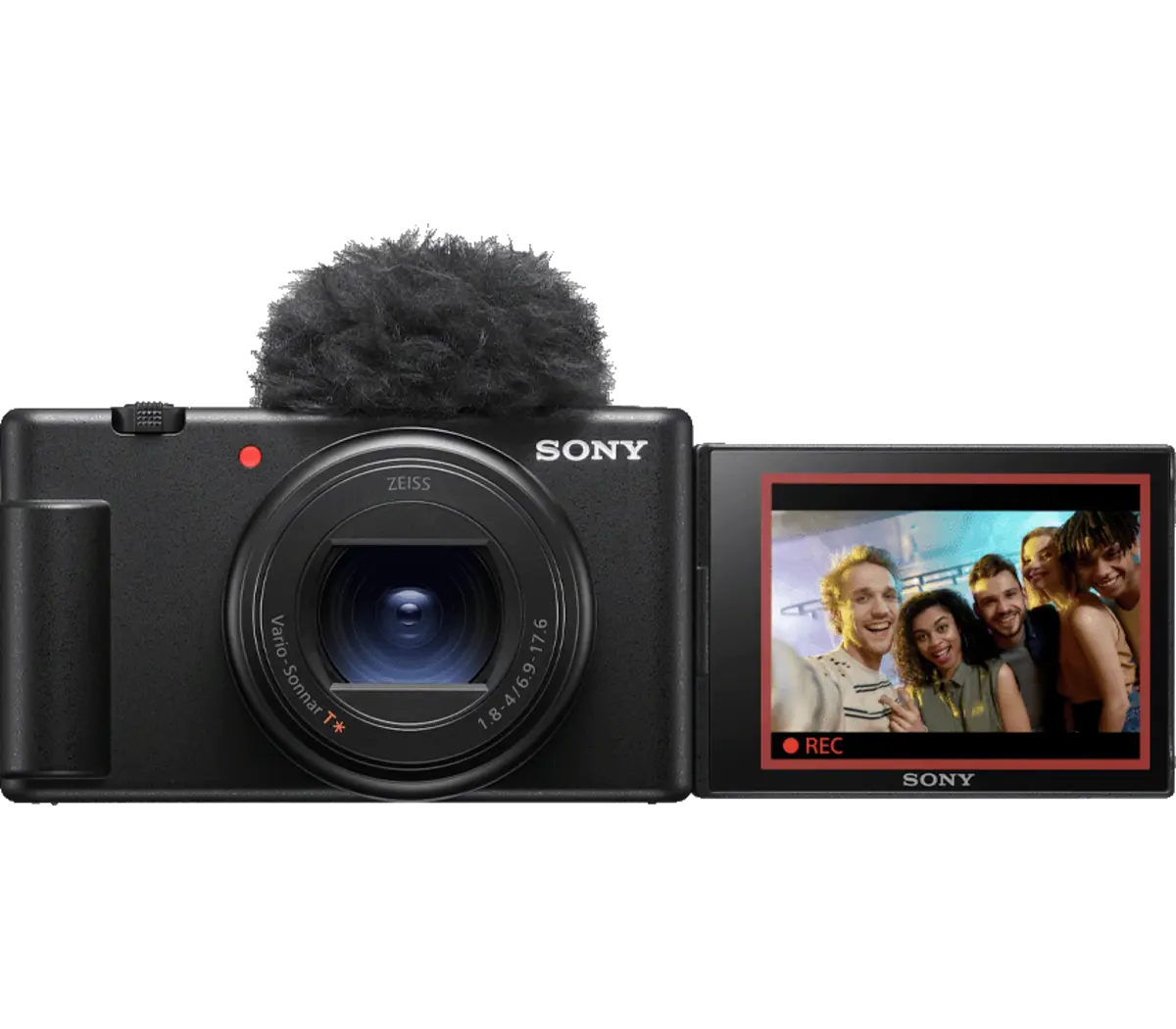
The Canon PowerShot V10 and the Sony ZV-1 II are both compact cameras designed with vloggers and content creators in mind. Given their similar target audience, these two models are often compared by individuals searching for the best portable camera solution. Key differentiators such as sensor quality, autofocus performance, video capabilities, and user experience help potential buyers assess which camera aligns best with their needs. Both models were released in 2023, showcasing modern technology and design but differ significantly in specifications and features that cater to different types of users.
Specifications Comparison
Detailed Comparison
Image Quality
Image quality is paramount for any content creator. The Canon PowerShot V10 features a 15-megapixel sensor, which is adequate for casual photography and video. However, the Sony ZV-1 II steps up the game with a 20.1-megapixel sensor that offers increased detail and allows for more flexibility in cropping and editing. The increased pixel count of the ZV-1 II generally translates to better performance, especially in professional use cases. Both cameras utilize a 1-inch sensor size which facilitates good low-light performance, but the ZV-1 II's higher resolution gives it an edge overall.
In practical applications, users of the ZV-1 II are likely to notice sharper images with more vibrant colors in a variety of settings, which can enhance the visual appeal of their content. Although the PowerShot V10 produces satisfactory images for social media and casual sharing, those looking for higher fidelity in their images may find the output of the ZV-1 II more appealing. Thus, in terms of image quality, the Sony ZV-1 II is the clear winner.
Autofocus System
Autofocus performance can significantly impact the user experience, especially for dynamic content like vlogs. The Canon PowerShot V10 does not specify any advanced autofocus features, suggesting it may employ basic phase-detection mechanisms that can be slower in tracking moving subjects. In contrast, the Sony ZV-1 II boasts a robust autofocus system with Real-Time Eye Autofocus and 315 phase-detection points, enabling it to maintain focus on subjects more effectively.
For content creators, this difference becomes crucial when capturing fast-moving subjects, as the ZV-1 II will exhibit improved accuracy and responsiveness. The ability to seamlessly focus on a subject's eyes dramatically enhances the professional appearance of video content. Because of its superior autofocus capabilities, the Sony ZV-1 II stands out as the better choice for users who prioritize autofocus performance.
Video Capabilities
Both cameras offer impressive video capabilities, but they cater to different needs. The Canon PowerShot V10 shoots in 4K at 30p but lacks the higher frame rate options available on the ZV-1 II, which can shoot in 1080p at 120 fps for slow-motion video. This feature on the ZV-1 II opens up creative avenues for content creators who wish to incorporate artistic slow-motion sequences into their videos.
Moreover, the ZV-1 II supports various video settings and formats, including S-log3, allowing for advanced color grading in post-production, appealing to more experienced users. In contrast, the V10 may be more user-friendly for beginners who need straightforward 4K recording without complicated settings. Overall, for serious videography, the Sony ZV-1 II's versatile video capabilities make it the star performer.
Build & Ergonomics
In terms of build quality and ergonomics, both cameras are designed for portability, but they offer different user experiences. The Canon PowerShot V10 has a weight of 211 grams and compact dimensions of 63 x 90 x 34 mm, making it very lightweight and easy to carry around. Its streamlined design may appeal to vloggers who prefer a minimalist setup.
On the other hand, the Sony ZV-1 II, while still compact, provides additional grip features and controls, making it easier to handle during extended shooting sessions. Both cameras have a built-in screen; however, ergonomics can feel different depending on personal preferences for button layout, grip, and overall handling. This aspect ultimately comes down to individual preferences, making it a tie for users focused on comfort and ease of use.
Battery & Storage
Battery life is a crucial consideration for content creators who often shoot on location without frequent access to charging. The Canon PowerShot V10 is rated for approximately 290 shots on a single charge, which can be adequate for short session shoots but may require users to be mindful of their usage. The Sony ZV-1 II offers a less defined shot count but shows significant battery performance in video scenarios-users have reported getting through more extensive shoots despite not having a specific rating available, due to its efficient power consumption when recording.
For storage, both cameras utilize SD cards, but the ZV-1 II's dual recording formats (including high-bitrate options) may require faster SD cards to optimize performance. Therefore, while both cameras have their strengths, the ZV-1 II edges out slightly in terms of overall user experience with battery efficiency.
Value for Money
The Canon PowerShot V10 is priced at $429, offering an appealing option for entry-level users and vloggers who are conscious about their budget. It provides essential features and straightforward usability that can attract novice users who won't require the advanced capabilities of higher-end models. It becomes a practical choice for those starting their content creation journey.
In contrast, the Sony ZV-1 II is likely to carry a higher price tag, reflecting its more advanced features, enhanced image quality, and superior autofocus capabilities. The additional investment may be justified by serious content creators who need the extra performance and are willing to spend more for better results. Therefore, while the Canon is more affordable, the Sony might present better long-term value for those pursuing professional content creation. As such, considering usability versus productivity gains, it's a tie in this category.
Our Verdict
In conclusion, the Sony ZV-1 II emerges as the overall winner in this comparison due to its superior image quality, autofocus capabilities, and versatile video features. While the Canon PowerShot V10 is a more budget-friendly option for casual users and beginners, those looking to produce high-quality content will find that the ZV-1 II justifies its higher price point. Ultimately, potential buyers should consider their specific needs-casual vlogging and ease of use may favor the Canon, while serious videography with a demand for high performance strongly leans towards the Sony ZV-1 II.
Canon PowerShot V10
Sony ZV-1 II
Also Compare
Frequently Asked Questions
Which camera is better for beginners?
The Canon PowerShot V10 is more beginner-friendly due to its straightforward usability and lower price point, making it a good choice for those just starting out.
Can the Sony ZV-1 II handle low-light situations better?
Yes, the ZV-1 II, with its higher megapixel count and advanced sensor technology, typically performs better in low-light conditions than the V10.
Is 4K video quality the same on both cameras?
Both cameras can shoot in 4K at 30p; however, the overall quality will be higher on the ZV-1 II, owing to its superior sensor and processing capabilities.
How do the autofocus systems compare?
The Sony ZV-1 II features a far more advanced autofocus system, including Real-Time Eye autofocus, making it better suited for capturing moving subjects compared to the V10's basic autofocus features.
What is the best choice for vlogging?
The Sony ZV-1 II is generally the better choice for vlogging due to its superior image quality, autofocus, and versatile video settings, making it suitable for various types of content creation.