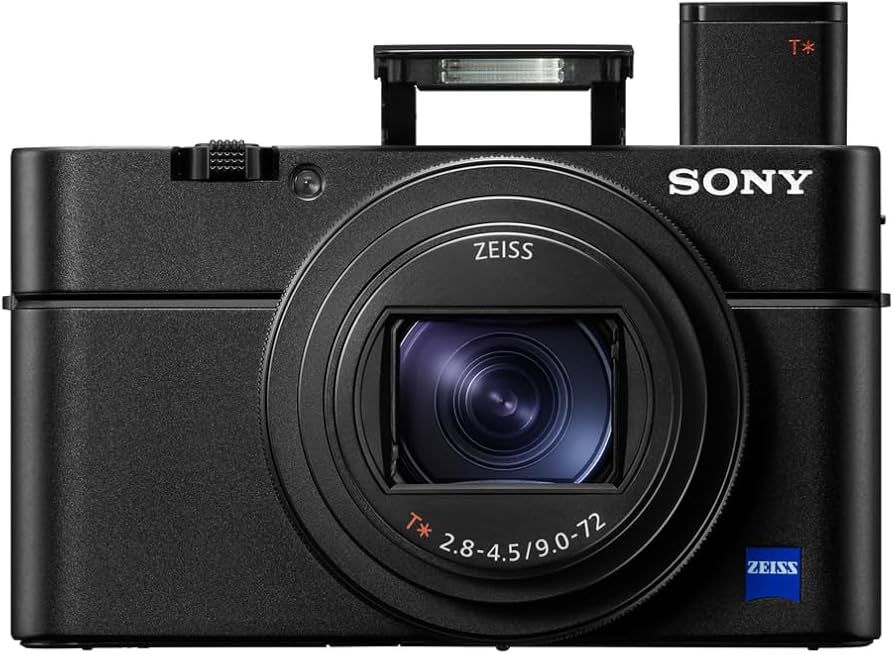
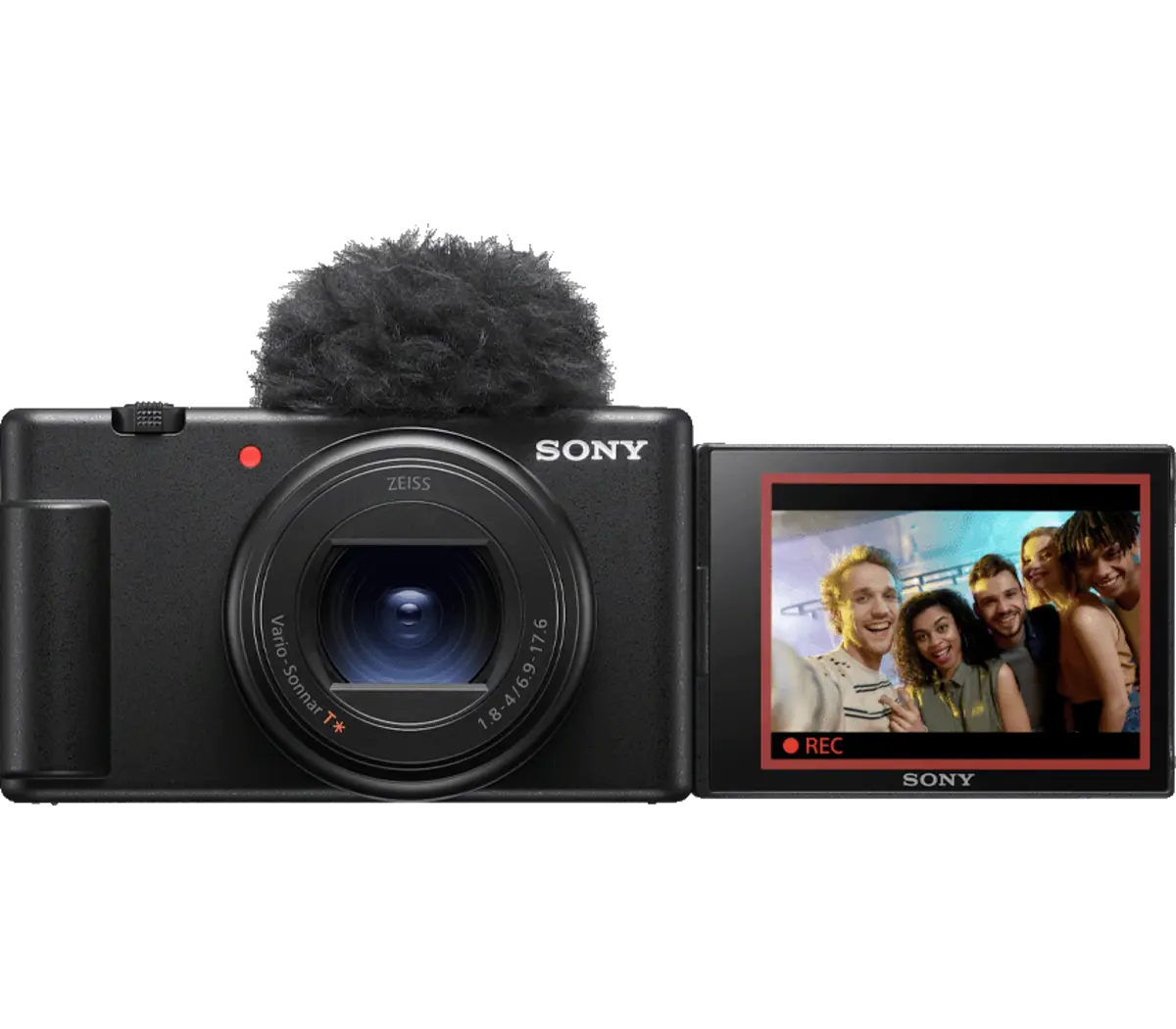
The Sony RX100 VII and the Sony ZV-1 II are two compact cameras that have garnered significant attention for their high-performance features and portability, appealing to photographers and videographers alike. The RX100 VII has been a favorite since its release in 2019, known for its versatility and exceptional image quality, while the ZV-1 II, launched in 2023, has been tailored more towards content creators with improvements in video features and ergonomics. Buyers often find themselves choosing between these models based on their specific needs for photography or videography, as well as considerations of price and feature sets.
Key differentiators include the RX100 VII's capability for high-speed shooting at 90 fps, an electronic viewfinder, and robust autofocus performance, whereas the ZV-1 II focuses on user-friendly features for vloggers, enhanced video capabilities, and slight improvements in sensor design. As both cameras target similar markets but focus on different use cases, understanding their strengths and weaknesses is crucial for potential buyers.
Specifications Comparison
Detailed Comparison
Image Quality
Both the Sony RX100 VII and the Sony ZV-1 II utilize a 1-inch sensor format, delivering impressive image quality that stands up well in various shooting conditions. The RX100 VII features a refined internal processing engine that allows it to produce stunning images with good dynamic range and color accuracy. It has been popular among enthusiasts for its ability to handle low-light situations well, thanks to an ISO range that extends up to 12800, enabling good performance even in challenging lighting.
On the other hand, the ZV-1 II pushes the pixel count slightly to 20.1 MP, offering marginally sharper images while maintaining similar imaging characteristics as the RX100 VII. It also benefits from some new features built primarily for content creators, including softer bokeh effects and color science specifically adjusted to skin tones, which can be attractive for vloggers aiming for a more polished appearance in their videos.
Overall, the image quality in terms of resolution is closely matched, but the RX100 VII's broader ISO range gives it an edge in low-light scenarios. However, both cameras deliver excellent results, so the choice may depend on personal preferences towards specific shooting conditions.
Autofocus System
The autofocus systems in the RX100 VII and ZV-1 II have been praised for their speed and accuracy, which is essential for both still photography and video. The RX100 VII boasts a hybrid autofocus system with 357 phase-detection and 425 contrast-detection points covering a wide area of the frame. This allows for precise focusing, making it ideal for capturing fast-moving subjects, especially in sports or wildlife photography.
In contrast, the ZV-1 II also features an impressive autofocus system but emphasizes real-time Eye AF, which is crucial for content creators shooting video. This autofocus system is optimized for faces, making it easier to maintain focus on the subject's face even during movement. Additionally, the ZV-1 II includes a product showcase feature, allowing it to switch focus quickly between the subject's face and an object being held up, which is particularly useful for unboxing or review videos.
While both cameras excel in autofocus capabilities, the RX100 VII is more suited for traditional photography scenarios, whereas the ZV-1 II offers features that are specialized for video and vlogging. This makes it a more versatile choice for those focused on shooting dynamic content.
Video Capabilities
Video performance is a significant area of distinction between the RX100 VII and the ZV-1 II. The RX100 VII is capable of shooting in 4K at 30p, offering good quality for most users, but it does not support higher frame rates, which limits its prowess in dynamic video environments. The stabilization in the RX100 VII is listed at 4 stops, providing decent stability for casual videography.
The ZV-1 II, released more recently, not only supports 4K/30p but also includes a feature for 1080p at 120p, enabling smooth slow-motion footage which is increasingly popular among content creators. This capability enhances its appeal for vloggers and video producers who require versatility in their shooting techniques. Additionally, the ZV-1 II includes built-in optical stabilization designed specifically for video, which enhances handheld shooting further.
In terms of video capabilities, the ZV-1 II clearly outperforms the RX100 VII, offering more options for creators looking to produce engaging, high-quality video content.
Build & Ergonomics
The RX100 VII is known for its compact size and premium build quality, measuring 102 x 58 x 43 mm and weighing 302 grams. It features a robust metal chassis, making it durable for day-to-day use. Additionally, it has an electronic viewfinder, which many enthusiasts appreciate when composing photos in bright light environments. The camera is easy to pocket and carry, aligning well with the needs of travelers and casual shooters.
Conversely, the ZV-1 II has a slightly different design that prioritizes user-friendliness for video shooting. It doesn't include a viewfinder but does boast a fully articulating screen, which is a major advantage for vloggers needing to monitor themselves while recording. Its ergonomics have been optimized with a larger grip and dedicated video features, such as a record button that is easy to access while shooting.
While both cameras are portable, the RX100 VII holds an edge for traditional photography enthusiasts due to its viewfinder and more sturdy feel. However, the ZV-1 II shines in the realm of videography with features crafted for vlogging, making it more appealing for those who prioritize video functionality.
Battery & Storage
The RX100 VII offers decent battery life, capable of taking approximately 260 shots per charge, which is fairly standard for compact cameras of its caliber. It supports SD/SDHC/SDXC cards for storage, allowing flexibility in using fast card types for high-speed stills and video recording. This means users can easily find compatible storage solutions without significant investments.
In contrast, the ZV-1 II, while relatively new, has not clearly indicated a significant battery life advantage compared to the RX100 VII. The specifics of its battery life are less documented at the time of writing but are generally comparable. Both cameras benefit from SD card compatibility, which remains an industry standard.
In this section, the RX100 VII potentially has a slight edge in maximum battery life as it has established testing metrics available. As such, users concerned about battery longevity during extensive shoots might prefer the RX100 VII, though real-world usage could yield varied experiences for both models.
Value for Money
The pricing of the RX100 VII is approximately $1200, which places it in a premium tier for compact cameras. While it offers a robust feature set, the high price may be a concern for those only looking for casual shooting options. Its strong build quality and image capabilities justify the investment for serious photographers, making it a valuable asset in the long run.
In contrast, the ZV-1 II is positioned as a more accessible option, particularly appealing to content creators. While specific pricing was not given, it generally aims to deliver similar functionalities to the RX100 VII at a slightly lower price point, making it relatively more attractive for users specifically looking for vlogging capabilities.
From a value perspective, the RX100 VII might appeal more to photography enthusiasts seeking advanced features in a compact format, while the ZV-1 II provides compelling value for videographers. The final choice would heavily depend on the intended use case rather than just the price alone.
Our Verdict
Ultimately, the Sony ZV-1 II emerges as the winner in this comparison, particularly for users who prioritize video content creation, with superior video capabilities, user-friendly ergonomics designed for vlogging, and competitive image quality. However, for traditional photography enthusiasts seeking a compact camera with exceptional still image performance, an electronic viewfinder, and a robust build, the RX100 VII remains an outstanding choice. Each camera shines in its intended use case, making the decision largely dependent on whether the buyer leans more towards photography or video production.
Sony RX100 VII
Sony ZV-1 II
Also Compare
Frequently Asked Questions
Which camera is better for vlogging?
The Sony ZV-1 II is better for vlogging, thanks to its articulating screen, excellent autofocus for faces, and video-centric features such as high frame rates.
Does the RX100 VII offer better image quality?
The RX100 VII may offer slightly better performance in low light due to its wider ISO range, making it a strong choice for still photography.
Which camera has better battery life?
The RX100 VII has a documented battery life of around 260 shots per charge, which is slightly better than what we've seen thus far from the ZV-1 II.
Are both cameras suitable for travel?
Yes, both cameras are compact and lightweight, making them suitable for travel. The RX100 VII is especially noted for its sturdy build and versatility.
Can I use external microphones with both cameras?
Yes, both the RX100 VII and ZV-1 II have a 3.5mm microphone input that allows for the attachment of external microphones, enhancing audio quality for videos.