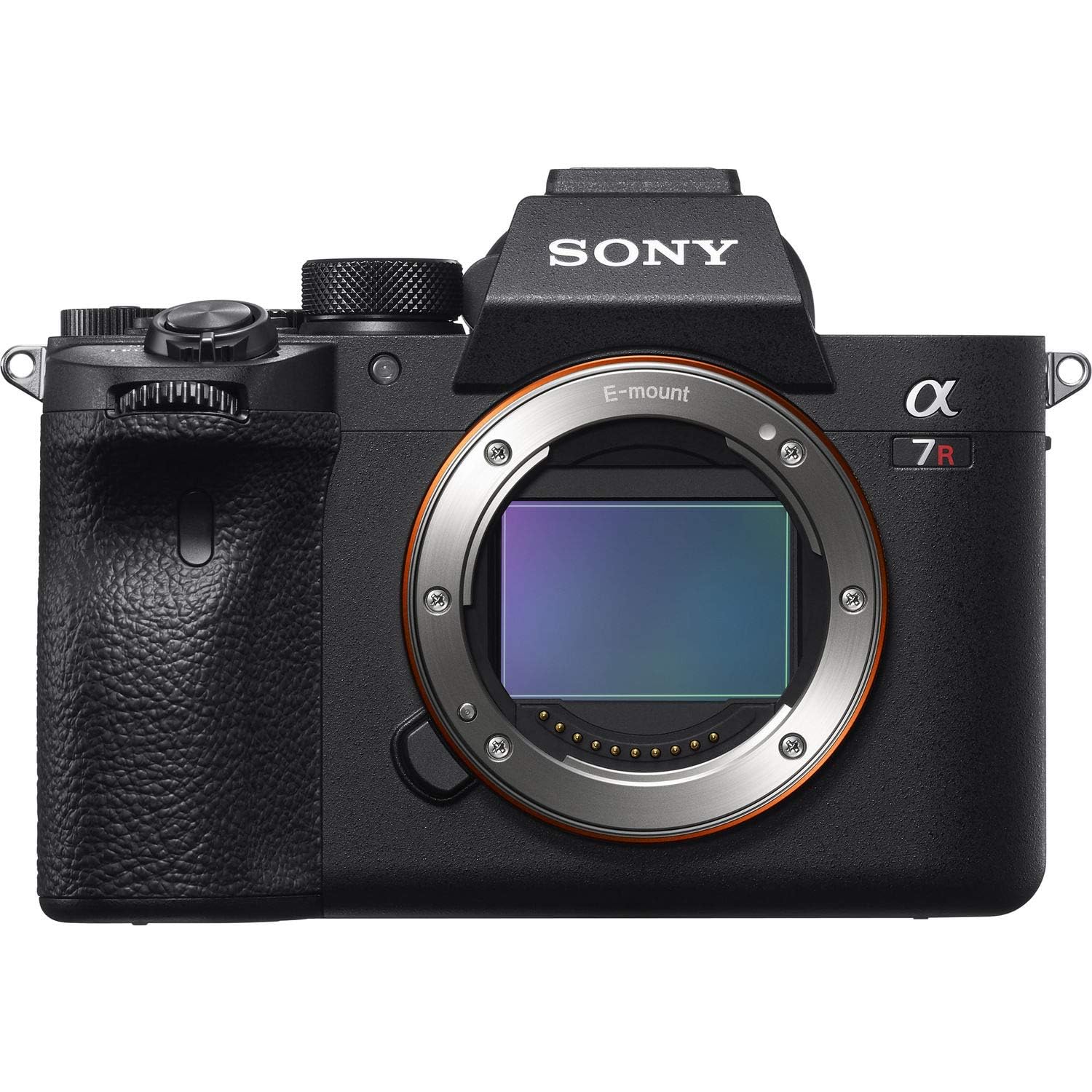

The Sony A7R IV and Sony ZV-E1 are two distinct yet prominent models within Sony's lineup, capturing the interest of photographers and videographers alike. While the A7R IV targets advanced photographers and studio work with its exceptional resolution and imaging capabilities, the ZV-E1 is crafted with content creators in mind, emphasizing ease of use and high-quality video recording. This makes these two cameras often compared, as buyers grapple between the need for high-resolution photography versus versatility in video production. Key differentiators include sensor resolution, autofocus systems, video capabilities, and overall build quality.
Specifications Comparison
Detailed Comparison
Image Quality
The Sony A7R IV excels in image quality due to its impressive 61-megapixel full-frame sensor, capturing extensive detail and subtle tonal variations, making it an exceptional choice for landscape, portrait, and commercial photography. Its strong performance in low-light situations, aided by an ISO range that extends up to 102,800, offers photographers the flexibility needed in challenging lighting conditions. The higher resolution also translates to greater cropping potential without sacrificing image quality.
In contrast, the Sony ZV-E1's 12-megapixel sensor, while capable, falls short in terms of resolution for high-end photography. However, this sensor is designed to deliver great performance in video settings where frame rates and dynamic range can take precedence over sheer resolution. The ZV-E1 also has a broader native ISO range, going down to ISO 40, allowing for potentially wider dynamic range capture in certain environments. But for detail-oriented photography, the A7R IV remains unparalleled.
Overall, while both cameras produce high-quality images, the Sony A7R IV is the clear winner for still photography, thanks to its superior resolution and expansive ISO performance.
Autofocus System
Both cameras feature robust autofocus systems, but they cater to different requirements. The Sony A7R IV is equipped with 567 phase-detection points that offer excellent tracking capabilities for still subjects. This makes it suitable for portrait or landscape photography, where precise focus on intricate details is paramount. The camera's autofocus performance excels in both well-lit and low-light environments, although it may not prioritize speed as its primary function.
Conversely, the Sony ZV-E1 boasts a more extensive autofocus system with 759 points, which not only enhances its ability to lock onto moving subjects but also optimizes for face detection and tracking, making it ideal for video content creation. This adaptation allows creators to maintain focus on subjects even when the scene is dynamic, presenting a clear advantage for vloggers and content creators.
Therefore, while both systems are advanced, the A7R IV is better suited for static image capture, whereas the ZV-E1 stands out for video shooting and dynamic photography settings.
Video Capabilities
When it comes to video capabilities, the Sony ZV-E1 is specifically engineered for videographers and content creators. Supporting 4K video at 60 frames per second, it provides excellent frame rates and overall video quality, along with features like a vari-angle screen to assist with framing shots. It is particularly advantageous for vlogging and on-the-go content generation, offering built-in features that cater to audio and stabilization needs, such as an active mode for smooth video capture.
On the other hand, the Sony A7R IV supports video recording at 4K 30p, which is adequate for many shooters but less competitive relative to the ZV-E1 for high-frame-rate shooting. Although it offers high dynamic range and 10-bit recording options, the lower frame rate can limit dynamic shooting applications.
Thus, for those prioritizing video capabilities and the latest features in content creation, the Sony ZV-E1 is the clear winner.
Build & Ergonomics
The Sony A7R IV boasts a rugged and durable design, being weather-sealed and built to withstand harsher shooting environments. Its larger grip allows for stable handling, especially with heavier lenses, making it comfortable for extended shooting sessions in various professional settings. The electronic viewfinder is another strong ergonomic advantage, providing a real-time display that assists in visualizing exposure and setup.
While the Sony ZV-E1 is also weather-sealed, its design leans more towards portability and ease of use. Lightweight and compact, it is optimal for travel and vlogging but may sacrifice some ergonomic comfort for the sake of convenience. Its lack of an electronic viewfinder means users rely on the LCD screen for composing shots, which can be challenging in bright sunlight.
Overall, while both cameras are well-constructed, the A7R IV is better suited for serious photographers requiring durability and comfort, whereas the ZV-E1 shines for its portability and user-friendly design.
Battery & Storage
Regarding battery life, the Sony A7R IV offers an impressive capacity, allowing approximately 670 shots on a single charge. This longevity is essential for professionals who may be shooting for extended periods without easy access to power. Additionally, the camera supports dual card slots, providing flexibility and peace of mind for photography workflows that require reliable storage solutions.
On the flip side, the ZV-E1 has a slightly lower battery life rated at around 570 shots, which is still decent but could be a limiting factor for longer shoots. However, it also supports dual card slots, ensuring ample storage for high-resolution video files. The difference in battery longevity could impact usability for photographers who require uninterrupted operation.
In conclusion, while both cameras are equipped with dual storage solutions, the longer battery life of the A7R IV provides a bigger advantage for prolonged photography sessions.
Value for Money
The Sony A7R IV comes at a premium price point of $3500, reflecting its high-resolution capabilities and professional-grade features. This price tag appeals primarily to advanced photographers who need unparalleled image quality and versatility. For users serious about capturing detailed images, the investment is justified, given the camera's performance and build quality.
In contrast, the Sony ZV-E1 is priced at $2200, which represents a more accessible entry point for budding content creators and vloggers who prioritize video performance over still photography capabilities. Its features align well with the needs of modern creators seeking simplicity and efficiency, presenting a compelling value proposition in its category.
Ultimately, while the A7R IV excels in delivering high performance for pro-level user needs, the ZV-E1 offers excellent value for those primarily focused on video content creation, leading to varied perceived value based on the user's intent.
Our Verdict
In the overall comparison, the Sony A7R IV emerges as the winner, particularly for traditional photography needs, with its superiority in image quality and robust build. However, the Sony ZV-E1 excels for video creators, offering an excellent blend of portability, enhanced video features, and modern usability that caters to a different market segment. Ultimately, the choice between these two models will depend on the user's specific needs; serious photographers should lean towards the A7R IV, while aspiring content creators and vloggers will find the ZV-E1 to be an outstanding option tailored to their requirements.
Sony A7R IV
Sony ZV-E1
Also Compare
Frequently Asked Questions
Which camera is better for professional photography?
The Sony A7R IV is far superior for professional photography due to its higher resolution, extensive autofocus system, and durability for various shooting conditions.
Is the ZV-E1 suitable for vlogging?
Yes, the Sony ZV-E1 is specially designed for vloggers and content creators, offering excellent video specs, features like a vari-angle screen, and superior autofocus for tracking moving subjects.
How does low-light performance compare between these cameras?
The A7R IV has a better low-light performance due to its higher megapixel count and versatility, but the ZV-E1's wider ISO expansion can be beneficial for video shooting in dark scenarios.
Can I use both cameras for video?
Yes, both the A7R IV and ZV-E1 can shoot 4K video, but the ZV-E1 is tailored more for videography, supporting higher frame rates which may be necessary for dynamic content.
Which camera has better battery life?
The Sony A7R IV offers better battery life with approximately 670 shots per charge compared to the ZV-E1's 570 shots, making it more suitable for extended photography sessions.