
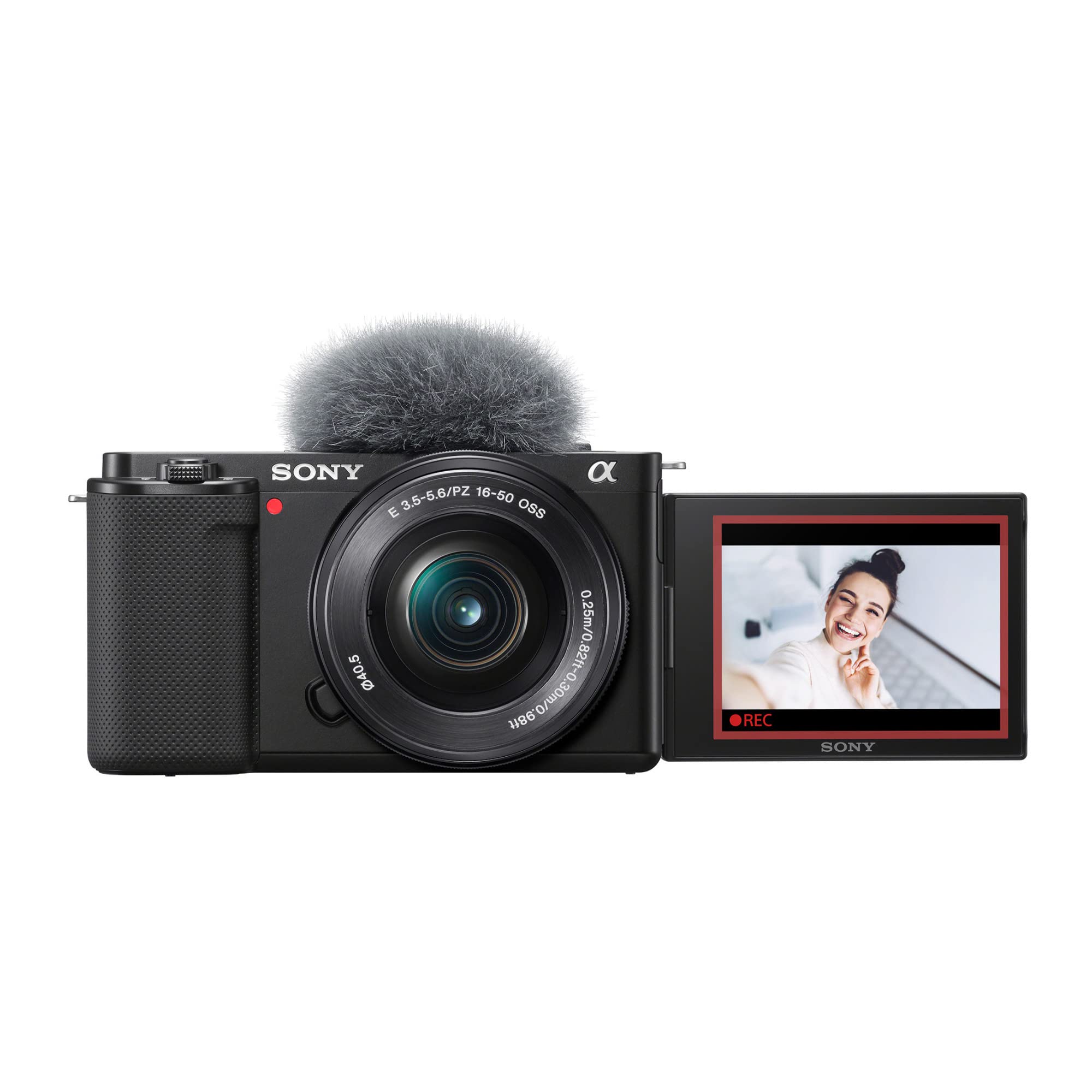
The Sony A6700 and Sony ZV-E10 are two highly regarded APS-C format mirrorless cameras from Sony, appealing to different segments of the enthusiast and creator markets. Typically, those who may be choosing between these two models are both avid photographers looking for a flagship compact camera in the A6700, and content creators or vloggers seeking a versatile and economical option in the ZV-E10. Understanding the key differentiators-such as image quality, autofocus capabilities, video features, and overall build quality-can greatly aid potential buyers in selecting the model that best fits their individual needs.
Specifications Comparison
Detailed Comparison
Image Quality
The Sony A6700 boasts a 26-megapixel sensor, providing slightly higher resolution and detail capability compared to the 24-megapixel sensor of the Sony ZV-E10. This difference, while not drastic, may be noticeable when printing or cropping images. Both cameras also feature similar ISO ranges, but while the A6700 offers an expandable range up to 102,400, the ZV-E10 tops out at 51,200. This gives the A6700 a greater edge in low-light situations. The A6700's advanced processing algorithms contribute to better noise performance and dynamic range, whereas the ZV-E10 may show more noise at higher ISO settings. Overall, the differences in image quality may favor the A6700 for serious photographers or those who require exceptionally high-quality images.
Autofocus System
In terms of autofocus capabilities, the A6700 excels with an impressive 759 autofocus points, which allows for greater accuracy and faster subject tracking, particularly in dynamic shooting situations. The A6700 is also equipped with advanced features like Real-Time Eye autofocus, significantly benefiting portrait and wildlife photography. Conversely, while the ZV-E10 offers 425 autofocus points, it lacks some of the advanced autofocus features found in the A6700, which could affect tracking in challenging environments. This makes the A6700's autofocus system superior, as it is better suited for both casual photographers and those engaged in fast-action shooting.
Video Capabilities
When it comes to video specifications, the A6700 outshines the ZV-E10 with its ability to record in 4K at 120fps, allowing for high frame rate slow-motion recording, which is beneficial for filmmakers and vloggers. The ZV-E10, in contrast, supports up to 1080p at 24fps, which may be limiting for advanced video work. Notably, video stabilization is another differentiating factor; the A6700 includes in-body stabilization that compensates for camera shake, whereas the ZV-E10 does not provide this feature at all, possibly compromising video smoothness in handheld shooting. Therefore, for creators focusing heavily on video content, the A6700 provides robust capabilities that far exceed those of the ZV-E10.
Build & Ergonomics
The A6700 stands out with its larger and sturdier build, weighing 493 grams compared to the 343 grams of the ZV-E10. It also includes a weather-sealed body, enhancing durability for outdoor shooting. The dimensions of the A6700 (122 x 69 x 64 mm) allow for a more substantial grip and greater stability with larger lenses, making it more comfortable for prolonged use. In contrast, the compact nature of the ZV-E10 is advantageous for travel and casual shooting but may not offer the same robust feeling as the A6700. Additionally, the A6700 features an electronic viewfinder, which is an essential tool for many photographers, while the ZV-E10 lacks this feature, relying solely on its LCD screen, which can be limiting in bright conditions. This makes the A6700 favorable for those prioritizing build quality and ergonomic comfort.
Battery & Storage
Battery life is a crucial consideration for both models. The A6700 has an impressive battery life, offering around 570 shots per charge, outpacing the ZV-E10's 440 shots. This extended battery performance can be particularly beneficial for photographers and videographers on location who may not have immediate access to charging options. Both cameras use Sony's E-mount lenses, ensuring compatibility with a vast range of optics, but the slower frame rates in video for the ZV-E10 can result in less wear on memory cards, making it easier for casual creators. Nevertheless, the A6700's better battery performance is a definitive advantage for intensive usage.
Value for Money
The Sony ZV-E10 is significantly more budget-friendly with a price tag of around $700, making it an attractive option for beginner creators or those on a tight budget. Despite its lower price, it offers essential features for vlogging such as a vari-angle screen and good audio input options. However, the A6700, at $1,400, provides advanced features, higher image and video quality, and a more robust build, justifying its premium price for serious photographers and filmmakers. Therefore, while the ZV-E10 excels in value for entry-level users, the A6700 offers better long-term investment for professionals in need of high-performance equipment.
Our Verdict
Overall, the Sony A6700 emerges as the clear winner when considering its superior image quality, enhanced autofocus system, and extensive video capabilities. While the ZV-E10 shines with its approachable price point and user-friendly features for content creators, the A6700's build quality and performance make it the better choice for serious hobbyists and professional creators. Users who prioritize advanced capabilities and are willing to invest more will find the A6700 to be an exceptional choice, while the ZV-E10 serves as an excellent entry point for those starting their photography and videography journey.
Sony A6700
Sony ZV-E10
Also Compare
Frequently Asked Questions
Which camera is better for photography?
The Sony A6700 is better for photography due to its higher resolution sensor, superior autofocus system, and better low-light performance.
Is the ZV-E10 suitable for vlogging?
Yes, the ZV-E10 is designed for vlogging with its flip-out screen and good audio options, making it a great choice for content creators on a budget.
What is the main advantage of the A6700 over the ZV-E10?
The main advantage of the A6700 is its advanced video recording capabilities, including 4K at 120fps, along with better autofocus and image stabilization.
What are the differences in battery life?
The A6700 offers around 570 shots per charge, while the ZV-E10 provides approximately 440 shots, giving the A6700 an edge for extended shooting sessions.
Is the A6700 worth the higher price?
For serious photographers and videographers, the features and performance of the A6700 justify the higher price. However, casual users may find the ZV-E10 sufficient for their needs.