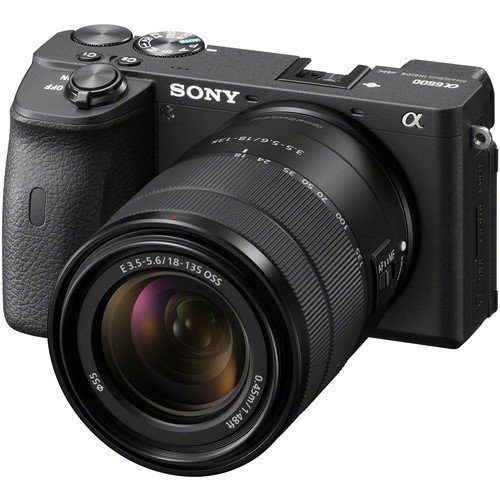

The Sony A6600 and the Sony ZV-E10 II are two popular cameras in Sony's APS-C mirrorless lineup, catering to different segments of enthusiasts and content creators. Photographers might lean towards the A6600 for its robust build quality and extensive feature set, while vloggers and streamers could prefer the ZV-E10 II for its video-centric design and improved autofocus performance. This comparison delves into their specifications and real-world applications to assist potential buyers in choosing the right model based on their specific needs.
Specifications Comparison
Detailed Comparison
Image Quality
Both the Sony A6600 and ZV-E10 II produce excellent image quality due to their APS-C sensors, but there are some differences in specifications that impact performance. The A6600 has a 24MP sensor, while the ZV-E10 II offers a slightly higher resolution at 26MP. This increase in megapixels can yield more detailed images, particularly in large prints or when cropping. However, the difference may not be noticeable for typical usage.
In terms of low-light performance, both cameras can handle ISO settings up to 32,000 natively, which is great for low-light scenarios. The A6600 expands to a remarkable ISO 102,400, providing greater flexibility in extreme conditions. Furthermore, the A6600 uses sensor-shift stabilization, which inherently improves image quality by reducing motion blur during handheld shooting.
In practical scenarios, the A6600's sensor stabilization and slightly better performance at extreme ISO levels give it an upper hand for still photographers. Conversely, those who prioritize stills over video may find either to suffice, but the A6600 has a slight edge overall for serious photographers.
Autofocus System
The autofocus capabilities on both cameras are impressive but distinctively different in execution. The A6600 features 425 phases-detection autofocus points, while the ZV-E10 II ups the ante with 759 points, enabling extremely precise tracking of subjects. This makes the ZV-E10 II particularly well-suited for fast-moving subjects, including in video scenarios where tracking is crucial.
Both models employ Sony's Real-Time Eye autofocus technology, which excels in capturing faces with remarkable accuracy across photography and videography. Additionally, the increased autofocus points in the ZV-E10 II may provide better assistance for vloggers and creators who often shoot themselves and require reliable focus locks.
While the A6600's autofocus is strong, the ZV-E10 II's system is superior in agility, especially when competing with dynamic moving subjects. The advantage in tracking and subject capture quality positions the ZV-E10 II favorably for content creators looking for versatility during filming sessions.
Video Capabilities
In video production, both cameras offer solid capabilities, but the ZV-E10 II outperforms the A6600 in several critical aspects. The ZV-E10 II can record 4K video at up to 60fps, providing smoother motion for fast-action scenes, while the A6600 is limited to 4K at 30fps. This higher frame rate in the ZV-E10 II makes it a better choice for those who frequently shoot high-speed action or need high-quality footage for vlogging.
Both cameras support various frame rates, but the enhancements in the ZV-E10 II also include dedicated features for video creators, such as optimized menus for vlogging and a fully articulating screen, offering better shooting angles and self-recording capabilities. The A6600, on the other hand, lacks an articulating screen, which can limit its usability for vlogs or social media content.
Given the expected advancements in video tech, the ZV-E10 II clearly beats the A6600 in this aspect, making it a more compelling choice for anyone focused primarily on video content.
Build & Ergonomics
The Sony A6600 is a well-built camera, featuring weather sealing that offers protection against moisture and dust, making it suitable for varied shooting environments. Weighing in at 503 grams, it also has a slightly more robust feel, which can be beneficial during extended shooting sessions. The electronic viewfinder is another significant advantage for photographers, allowing for a more traditional shooting experience.
In contrast, the ZV-E10 II, while also weather-sealed, is lighter at 377 grams and has a more compact design, which can enhance portability. However, it does not feature an electronic viewfinder, which can be a downside for those who prefer composing images through an EVF. The ZV-E10 II's fully articulating screen is another ergonomic feature that photographers and videographers will find beneficial for creative angles.
Ultimately, while both cameras excel in build quality for their intended uses, the A6600's EVF and rugged body are more suited for photographers, while the ZV-E10 II's lighter weight and variable-angle touchscreen make it a more versatile tool for content creators.
Battery & Storage
The Sony A6600 leads in battery life, rated for approximately 810 shots per charge, which is particularly advantageous for intensive shooting sessions, be it in photography or videography. This extended battery life allows users to shoot longer without the need for frequent charging or battery replacements, thus being an essential consideration for serious events or travel.
In contrast, the ZV-E10 II's battery will typically yield fewer shots, primarily because video shooting can drain batteries significantly faster than still photography. The common usage scenario for vloggers suggests that they might benefit from carrying multiple batteries to ensure uninterrupted shooting.
Both cameras use the same Sony E-mount, allowing for compatibility with a variety of lenses, though the A6600 has a modest advantage with its extended battery life under demanding scenarios. Those prioritizing long-lasting performance will surely favor the A6600 in this category.
Value for Money
When evaluating value, the Sony A6600 is priced at $1400, whereas the ZV-E10 II comes in at $1000. The A6600's higher price point reflects its robust build, advanced features like sensor stabilization, and superior battery life. However, for those whose primary interest lies in content creation, especially video, the ZV-E10 II presents excellent value, packing in features like 4K 60fps video at a significantly lower price.
Additionally, for casual users or vloggers, the ZV-E10 II's lighter build and fully articulating screen might justify its cost. This becomes an important consideration for buyers on a budget who still want a capable camera for video work and social media content.
Ultimately, value can be subjective, depending on the user's specific needs - the choice comes down to whether one prioritizes stills and extensive features (A6600) or video performance in an affordable package (ZV-E10 II).
Our Verdict
Overall, the Sony A6600 and ZV-E10 II cater to slightly different audiences, reflecting both their strengths and trade-offs. The A6600 excels with its superior image stabilization, longer battery life, and solid build quality, making it ideal for traditional photographers. However, the ZV-E10 II stands out for its video capabilities, enhanced autofocus performance, and better value, appealing to creators focused primarily on video content. Ultimately, your choice should depend on your primary use case-whether you prioritize robust photographic features or video-centric advancements.
Sony A6600
Sony ZV-E10 II
Also Compare
Frequently Asked Questions
Which camera is better for vlogging?
The Sony ZV-E10 II is specifically designed with vloggers in mind, featuring a fully articulating screen, lightweight body, and superior autofocus. It allows for easier framing and subject tracking while filming yourself, making it a better choice for video creators.
Is the A6600 worth the extra cost?
If you're a serious photographer needing enhanced features like battery longevity and environmental protection, the A6600 may justify its higher price. Its advanced stabilization also makes it a strong option for those focusing on still photos.
Can both cameras use the same lenses?
Yes, both the Sony A6600 and ZV-E10 II use the Sony E-mount system, allowing for inter-compatibility with a wide range of Sony lenses, including premium glass options.
What are the major differences in video features?
The ZV-E10 II can record 4K video at up to 60fps, while the A6600 is limited to 30fps. This makes the ZV-E10 II more attractive for videographers desiring smoother footage and flexibility for high-speed scenes.
How does low-light performance compare?
Both cameras perform well in low-light conditions, but the A6600 has a slight advantage due to its higher expandable ISO capability and sensor stabilization, which can help mitigate motion blur in dim environments.
What is the best use case for each camera?
The Sony A6600 is best suited for traditional photographers who seek versatility and ruggedness, while the ZV-E10 II meets the needs of content creators focusing primarily on video production and social media.