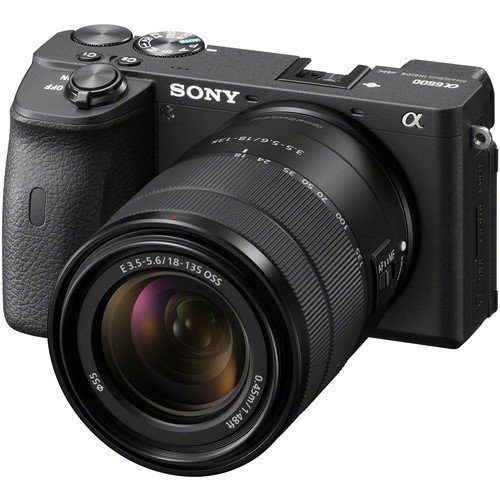

The Sony A6600 and A6700 are two premium APS-C mirrorless cameras from Sony, often compared due to their similar target audience and price points. Both models appeal to enthusiasts and semi-professional photographers looking for high-quality image capture in a compact form factor. With the A6600 being a more established model released in 2019 and the A6700 being the latest iteration launched in 2023, potential buyers are often torn between the reliability of the former and the advanced features of the latter. Key differentiators include sensor performance, autofocus capabilities, video features, and overall usability, all of which significantly impact the shooting experience for different genres of photography and videography.
Specifications Comparison
Detailed Comparison
Image Quality
When it comes to image quality, both the A6600 and A6700 deliver excellent results, but there are subtle differences. The A6600 features a 24-megapixel APS-C sensor, which is known for its versatility and low-light performance, while the A6700 steps up to a 26-megapixel sensor, providing slightly higher resolution and improved detail capture. The A6700's sensor is also designed to perform better at higher ISO settings, benefiting from technological advancements since the A6600's release. Both cameras include a similar ISO range from 100-32000, expandable up to 102400; however, the subtle enhancements in the A6700 yield marginally better noise control in high ISO scenarios.
Another important factor is the color science and dynamic range. Both models share many processing characteristics, but the latest image processing technology in the A6700 may provide richer colors and better tonal gradation, particularly in challenging lighting conditions. Overall, users can expect vibrant and detailed images from both cameras, making this category a tough contest.
Autofocus System
The autofocus capabilities of the A6700 surpass those of the A6600 significantly. The A6600 boasts an impressive autofocus system with 425 phase-detection points, providing fast and accurate focusing in most situations. However, the A6700 ramps this up with an astounding 759 autofocus points, effectively covering a larger area of the frame and improving subject tracking, which is particularly advantageous for sports and wildlife photography.
Additionally, the A6700 incorporates advanced features such as Real-Time Eye autofocus for both humans and animals, along with improved subject recognition capabilities. While the A6600 still performs admirably with its AF system, the advancements in the A6700 create a noticeable edge for photographers who require speedy and reliable tracking, making this section a fairly one-sided comparison.
Video Capabilities
For video enthusiasts, the A6700 presents an impressive upgrade over the A6600 with its enhanced video features. The A6600 is capable of recording 4K video at up to 30 frames per second, which is adequate for most videographers. However, the A6700 allows for 4K recording at up to 120 frames per second, opening the door to high-frame-rate shooting for slow-motion sequences, a notable feature that professional videographers will find very appealing.
Both cameras support S-Log profiles for better grading in post-production, but the A6700 also includes enhanced video codecs and options for recording in 10-bit, which provide greater flexibility and quality in the editing process. These advancements firmly establish the A6700 as a superior choice for videographers, particularly in the context of dynamic and professional-grade projects.
Build & Ergonomics
Both the A6600 and A6700 share similar dimensions and robust build quality, featuring weather sealing to protect against environmental elements, which is great for outdoor shooting. The A6600 weighs slightly more at 503 grams compared to the A6700's 493 grams, which may be a consideration for users concerned about weight during long shooting sessions.
The grip on both cameras is designed for comfort during extended use, but the A6700 introduces a slightly refined ergonomic design which enhances the handling experience. Additionally, both models feature electronic viewfinders and 3-inch tilting LCD screens; however, the A6700's screen has a higher resolution at 1,036,800 dots, offering clearer previews and better accuracy in displaying captured images. In terms of build and ergonomics, both cameras are solid, though the A6700 slightly edges ahead with improvements that enhance user experience.
Battery & Storage
The A6600 boasts a commendable battery life of approximately 810 shots per charge, which is impressive for photographers who often shoot extensive sessions without access to charging facilities. The A6700, on the other hand, has a lower battery performance at about 570 shots, which may pose a challenge for users who value long usage times without frequent battery swaps.
Despite this, both cameras employ the same NP-FZ100 battery type, and both support dual SD card slots. This means that while the A6700 may require users to think about their battery strategy while shooting, it still allows them ample storage options for their media files. Therefore, while the A6600 takes the advantage for battery life, the dual storage capability helps mitigate some downsides of the A6700's shorter battery performance.
Value for Money
Both the Sony A6600 and A6700 carry a similar price tag at $1400, positioning them as premium options within the APS-C mirrorless market. For prospective buyers, the A6600 presents a strong value with its well-rounded feature set and exceptional battery life, making it a solid choice for those who prioritize reliability and experience a wide range of photography needs.
On the other hand, the A6700 brings advanced features to the table that cater to serious enthusiasts and professionals, particularly its improved autofocus, video capabilities, and enhanced ergonomics. While the price remains consistent between the two models, the A6700 arguably delivers more contemporary features that justify the long-term investment for users focused on a higher level of performance, especially in fast-moving scenarios.
Our Verdict
In summary, while both the Sony A6600 and A6700 are excellent cameras, the A6700 emerges as the winner overall due to its advanced autofocus system, superior video capabilities, and improved ergonomics. It is particularly well-suited for videographers and photographers who require quick and precise autofocus for fast-moving subjects. Conversely, the A6600 still stands its ground with robust battery life and a reliable feature set, making it an appealing option for those who may not need the highest specifications but desire a dependable camera for general use.
Sony A6600
Sony A6700
Also Compare
Frequently Asked Questions
Which camera is better for beginner photographers?
The Sony A6600 may be a better choice for beginner photographers due to its established reputation, robust battery life, and user-friendly features. It offers great performance across various shooting scenarios without overwhelming new users with too many advanced options.
Can I use my existing E-mount lenses with both cameras?
Yes, both the A6600 and A6700 utilize the Sony E-mount system, so any E-mount lenses you currently own will work seamlessly with either camera.
How does the video performance of the A6700 compare to the A6600?
The A6700 significantly enhances video performance with support for 4K recording at up to 120fps and better camera codecs, making it a superior option for filmmakers compared to the A6600, which offers 4K at 30fps.
Is the A6700 worth the extra cost over the A6600?
If you value advanced features such as superior autofocus and enhanced video capabilities, the A6700 justifies its price premium. However, if your photography primarily involves stills and general use, the A6600 offers considerable value without compromising too much in performance.
What are the differences in photography performance between both cameras?
While both cameras offer excellent performance, the A6700 provides more advanced autofocus capabilities, leading to better tracking of moving subjects. Additionally, it typically delivers marginally improved image quality at higher ISO settings due to its newer sensor technology.