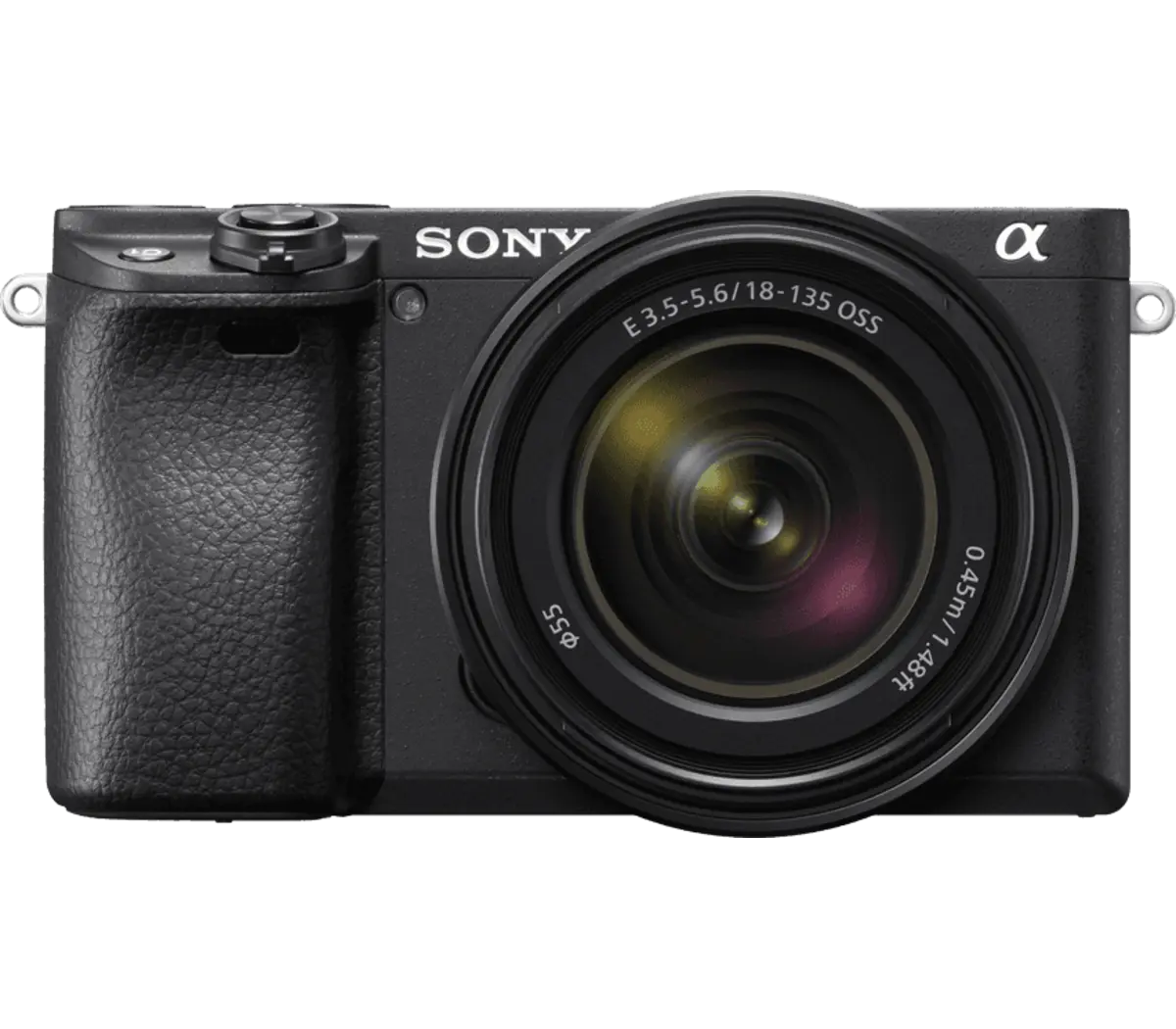

The Sony A6400 and A6700 are two popular mirrorless cameras within Sony's APS-C lineup, attracting enthusiasts and professionals alike who are looking for high-performance imaging in a compact form factor. The A6400, released in 2019, has established itself as a versatile option with solid performance, while the A6700, released in 2023, introduces several advancements catering to the demands of modern content creators. Buyers may be weighing these two options based on their need for enhanced features, performance, and budget considerations.
Specifications Comparison
Detailed Comparison
Image Quality
Both the Sony A6400 and A6700 utilize APS-C sensors, though there are slight differences in their specifications that impact image quality. The A6400 features a 24MP sensor, providing good resolution and detail for most photography needs, while the A6700 boasts a higher 26MP resolution, allowing for even finer details in larger prints or cropping scenarios. The finer pixel pitch of the A6700 may offer improved performance in low-light environments, particularly at the native ISO range, which also expands to 102400 compared to the A6400's 102800. While both models perform well at lower ISO settings, the A6700 has the edge when it comes to handling noise at the upper ISO limits, making it a better choice for night photography or challenging lighting conditions.
Autofocus System
Autofocus performance is critical for capturing fast-moving subjects, and here the A6700 pulls ahead with its improved autofocus system. The A6400 features 425 phase-detection points, which is already impressive, but the A6700 takes this further with 759 autofocus points. This results in faster and more accurate focusing, particularly in dynamic environments. Additionally, the A6700's Eye AF is enhanced, offering greater precision in tracking subjects' eyes during both stills and video, making it particularly beneficial for portrait photographers and videographers. While the A6400's autofocus is reliable, the advancements seen in the A6700's system cater to a more demanding user base engaged in high-speed photography or video recording.
Video Capabilities
Video has become a vital aspect of mirrorless cameras, and the A6700 shines with its superior video specifications. The A6400 records 4K video at 30p, which is sufficient for many users but may limit high-frame-rate videographers. In contrast, the A6700 supports 4K video at an impressive 120p, offering filmmakers greater flexibility in capturing high-quality slow-motion footage. Both cameras provide full pixel readout without pixel binning; however, the A6700 benefits from modern codec options and additional features like 10-bit video output. Consequently, those looking to push their video creativity further will find the A6700 to be unequivocally the better choice.
Build & Ergonomics
When it comes to build quality, both models are well-constructed and weather-sealed, allowing them to withstand various shooting conditions. However, the A6700 benefits from a more ergonomic design that enhances grip and operational efficiency, especially during extended shooting sessions. Weighing 493g compared to the A6400's lighter 403g, the A6700 is marginally heavier but offers a sturdier feel in hand. Additionally, the A6700 has a slightly larger body with more customizable buttons and a tilting touchscreen, enhancing user-friendliness for various shooting angles. While the A6400 remains a strong contender, the A6700's thoughtful design improvements make it more suited for a professional environment.
Battery & Storage
Both cameras utilize the NP-FW50 battery, but the A6700 excels with a longer battery life, rated at approximately 570 shots compared to the A6400's 410 shots per charge. This enhancement is significant for users who plan to shoot for extended periods without frequent battery changes. Additionally, the A6700 includes dual slots for memory cards, allowing for overflow storage or simultaneous recording of RAW and JPEG files. In contrast, the A6400 has a single card slot, which may limit flexibility in various shooting scenarios. Therefore, for users who prioritize longer shooting times and storage options, the A6700 clearly stands out.
Value for Money
At $900, the A6400 provides excellent value for entry-level photographers and those seeking a capable camera without breaking the bank. It has a strong autofocus system, decent video capabilities, and a compact design that appeals to beginners and enthusiasts alike. The A6700, priced at $1400, offers significant upgrades in several areas, including a higher resolution sensor, advanced autofocus features, and enhanced video capabilities. However, the price jump may be a deterrent for some users. Ultimately, the A6400 may be better suited for those on a budget or who do not need the latest features, while the A6700 appeals to serious content creators willing to invest in superior performance and technological advancements.
Our Verdict
Considering the overall performance and feature set, the Sony A6700 emerges as the clear winner in this comparison. It offers significant advancements in image quality, autofocus capabilities, video performance, and build ergonomics, making it an excellent choice for both advanced enthusiasts and professional users. However, the A6400 remains a compelling option for budget-conscious buyers who still desire quality performance in a versatile camera. Each camera excels in its respective target audience, with the A6700 best suited for those prioritizing the latest technology and the A6400 appealing to the value-oriented segment.
Sony A6400
Sony A6700
Also Compare
Frequently Asked Questions
Is the A6700 worth the higher price over the A6400?
If you require advanced features like superior autofocus, higher resolution, and better video capability, the A6700 justifies the higher price. However, if you're on a budget and mainly shoot photos or casual videos, the A6400 may be sufficient.
How do the video features compare for content creation?
The A6700 significantly outperforms the A6400 with 4K 120p support and various advanced video features, making it ideal for serious videographers. The A6400 is capable but more limiting in professional video settings.
Which camera has better low-light performance?
While both cameras perform well in low-light, the A6700's newer sensor technology and expanded ISO range provide better results, making it the superior choice for low-light situations.
Are there any compatibility differences with lenses?
Both cameras use the Sony E-mount, allowing wide compatibility with Sony lenses and third-party options. There are no significant compatibility differences between the two.
What kind of photography is each camera best suited for?
The A6400 is great for general photography and vlogging, while the A6700 excels in demanding scenarios like fast-action sports, professional video production, and portraits requiring precise autofocus.