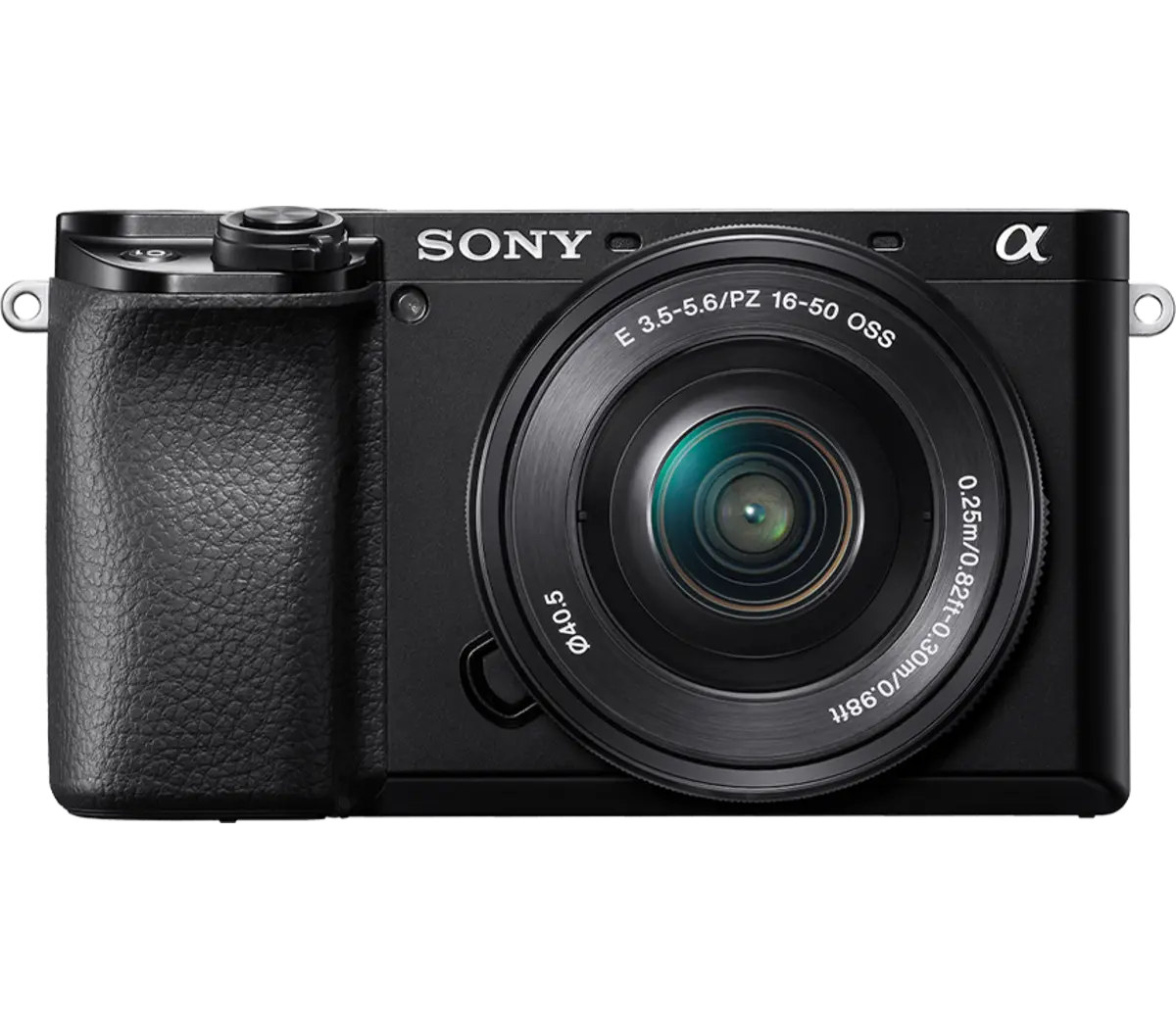

The Sony A6100 and Sony ZV-E10 II are popular mirrorless cameras, commonly compared by both amateur and professional photographers, as well as content creators. The A6100, released in 2019, is known for its great balance of features and price, making it ideal for new photographers or those looking for a versatile, entry-level option. In contrast, the ZV-E10 II, which launched in 2024, targets vloggers and content creators with enhanced video capabilities and specialized features tailored for video production. Both models share the Sony E-mount, APS-C sensor size, and are lightweight, but key differentiators lie in their specifications, usability, and target audience.
Specifications Comparison
Detailed Comparison
Image Quality
When it comes to image quality, both the A6100 and ZV-E10 II deliver impressive results thanks to their APS-C sensors, but there are distinctions in megapixel count and ISO performance. The A6100 features 24 megapixels, which is sufficient for most uses, while the ZV-E10 II offers a slight increase to 26 megapixels, resulting in marginally better resolution for cropped images or large prints.
In low-light conditions, both cameras perform well with an ISO range, but the ZV-E10 II expands to a lower limit of ISO 50 and a higher limit of 102400, offering greater flexibility for capturing cleaner images in low light. The A6100 manages a solid ISO expansion to 51200, but without the same low-end capability. Additionally, the ZV-E10 II's image processing benefits from newer technology, likely providing improved color output and dynamic range particularly noticeable in high-contrast lighting.
Autofocus System
The autofocus systems of these two cameras exhibit significant differences. The A6100 is equipped with a robust 425 phase-detection autofocus points, providing fast and accurate focusing suitable for still photography and general use. However, the ZV-E10 II steps up the game with 759 autofocus points, including advanced subject tracking capabilities, which are particularly beneficial for video focusing.
The higher number of AF points in the ZV-E10 II means improved performance when tracking moving subjects, which is a crucial feature for vloggers and dynamic content creators. Furthermore, the ZV-E10 II has enhanced Eye-AF capabilities, making it ideal for self-portrait or action shooting where precise focus on the subject's eyes is necessary.
Video Capabilities
Video capabilities are a major defining feature for the ZV-E10 II, positioning it as a better choice for content creators. It supports 4K recording at 60p, allowing for smoother and higher-resolution video footage, which is essential for modern vlogging standards. On the other hand, the A6100 offers 4K recording at a maximum of 30p, which while still good, may be limiting for those seeking the highest video quality in fast-paced scenes.
Moreover, the ZV-E10 II includes optimized features such as a fully articulating screen and dedicated modes for vlogging that enhance usability for content creators. In contrast, the A6100's screen only tilts, which can restrict usability in some shooting angles, especially for vlogs. Overall, for video production and creative versatility, the ZV-E10 II stands as the superior option.
Build & Ergonomics
In terms of build quality, the ZV-E10 II boasts a weather-sealed design, offering additional durability and protection against environmental factors. This makes it a great option for outdoor use or unpredictable shooting conditions, something the A6100 lacks. Although the A6100 has a compact and lightweight design that is also practical for portability, it does not feature any weather sealing.
Ergonomics are crucial for extended shooting sessions, and both models have a similar 3-inch screen size, but the ZV-E10 II has a better screen resolution (1,036,800 vs. 921,600 dots) that provides clearer visibility for framing and reviewing shots. However, the lack of an electronic viewfinder in the ZV-E10 II may deter some traditional photographers who prefer using a viewfinder for composing shots in bright daylight conditions.
Battery & Storage
Battery performance is an important consideration for both photographers and videographers. The Sony A6100 has an impressive battery life, rated at 420 shots per charge, outpacing the ZV-E10 II, which likely offers less due to its advanced features and increased power demands for 4K video recording. For users who plan to shoot extensively, especially in video mode, having a robust battery life is crucial.
On the storage side, both cameras support SD cards for storage, maintaining interface compatibility while utilizing the same batteries. However, users should be aware of optimal memory card standards for video recording to ensure smooth performance, particularly when utilizing high-resolution video on the ZV-E10 II.
Value for Money
Pricing differences play a significant role when considering these two models. The A6100 is priced at approximately $750, making it a more budget-friendly option for novice photographers and enthusiasts looking for a versatile camera without breaking the bank. The ZV-E10 II comes in at around $1000, which reflects its enhanced video capabilities and targeted features for content creators.
Considering the savings with the A6100, it presents an excellent value for those prioritizing still photography or seeking a reliable entry-level mirrorless option. The ZV-E10 II's higher price could be justified for those who plan to focus heavily on video or require advanced autofocus features. Ultimately, budget and intended usage will dictate which camera offers better value for each user.
Our Verdict
Overall, the Sony ZV-E10 II emerges as the better choice for aspiring video creators and vloggers due to its superior video capabilities, advanced autofocus system, and additional features tailored for content creation. Conversely, the Sony A6100 offers excellent value without sacrificing image quality, making it a viable option for photographers who prioritize photos over videos. Depending on your specific needs-whether you seek great photography with decent video support or a specialized tool for high-end vlogging-the choice between these two cameras can swing based on intended use, budget, and preferences.
Sony A6100
Sony ZV-E10 II
Also Compare
Frequently Asked Questions
Which camera is better for video recording?
The Sony ZV-E10 II is better for video recording, as it supports 4K at 60p and includes features specifically designed for vloggers, such as a fully articulating screen and advanced autofocus.
Is the A6100 better for still photography?
While both cameras are capable of still photography, the A6100 is a solid choice for those focused primarily on photos, offering excellent image quality at a lower price point.
Do both cameras support 4K video?
Yes, both cameras support 4K video, but the A6100 is limited to 30 frames per second, whereas the ZV-E10 II can shoot at 60 frames per second.
Which camera is more compact and lightweight?
The Sony A6100 is slightly heavier, but both are designed to be lightweight and portable, making them suitable for travel and on-the-go photography.
Is the ZV-E10 II worth the extra cost for non-vloggers?
It depends on your needs. If you shoot primarily videos or need advanced autofocus, the ZV-E10 II is worth the cost. However, for primarily still photography, the A6100 provides great value.