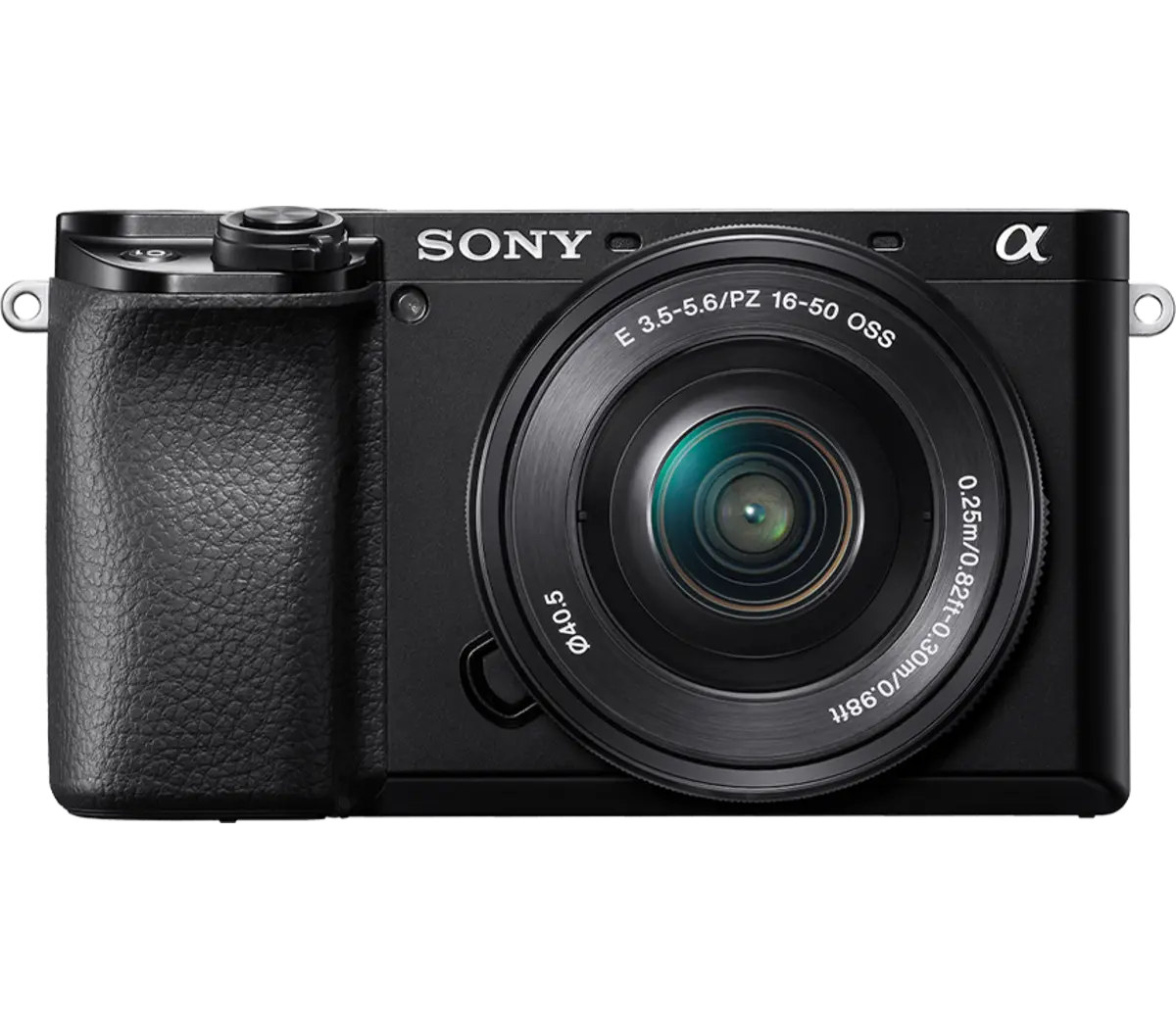
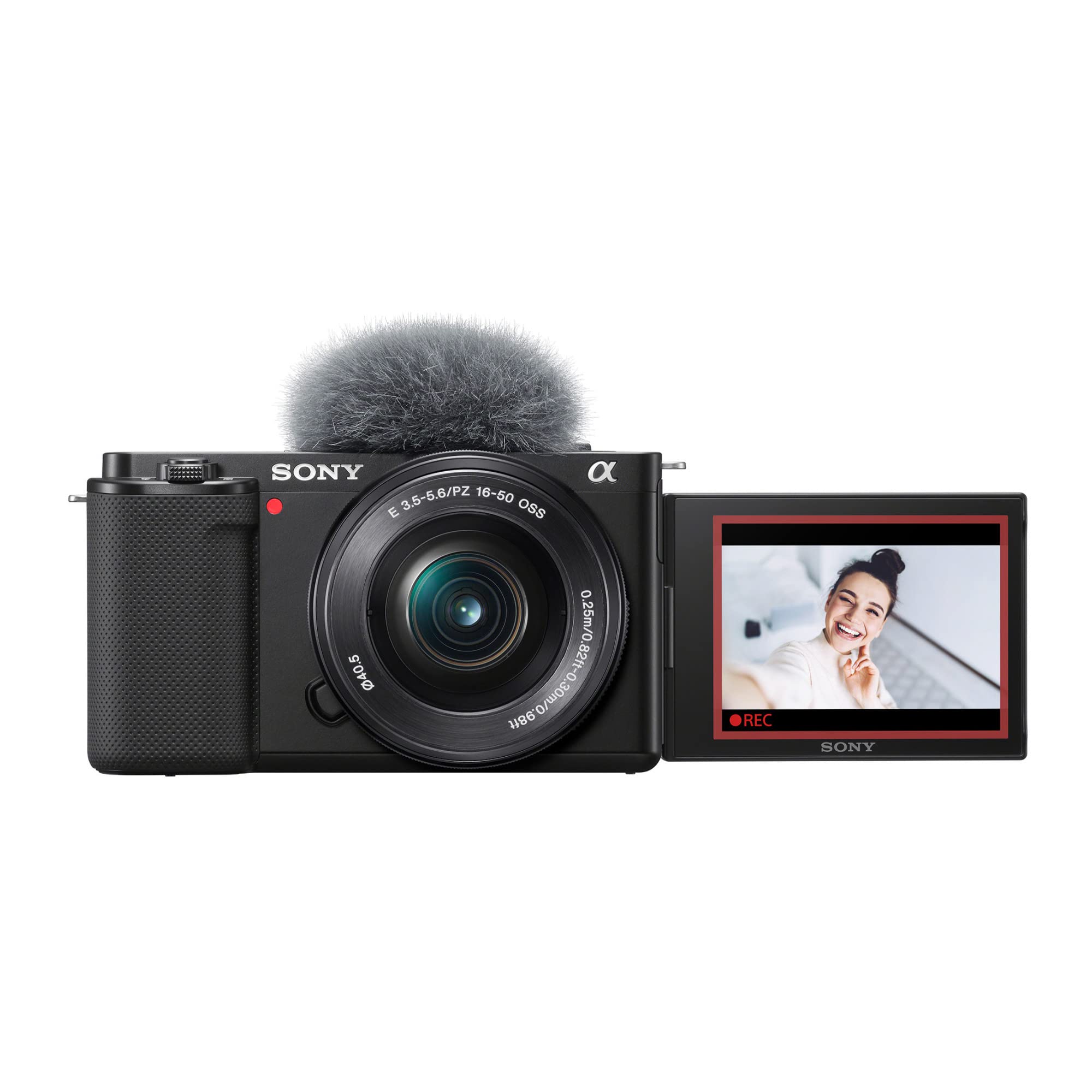
The Sony A6100 and Sony ZV-E10 are two mirrorless cameras that cater to different segments of the photography market, yet they both draw attention from enthusiasts and content creators alike. The A6100 is often regarded as a versatile entry-level option for aspiring photographers, while the ZV-E10 has been designed with vloggers and video content creators in mind. Despite their similarities in sensor size and resolution, they each offer unique features that make them appealing to different users. This comparison will dive into each camera's specifications and highlight their key differentiators, helping potential buyers decide which is the better fit for their needs.
Specifications Comparison
Detailed Comparison
Image Quality
Both the Sony A6100 and Sony ZV-E10 feature a 24-megapixel APS-C sensor that provides excellent image quality, depth of field control, and low-light performance. They both support an ISO range of 100-32,000, which expands to 51,200 on the A6100, making it slightly better for shooting in darker environments.
However, the ZV-E10 has a unique advantage in terms of its ISO range going down to 50, which can be beneficial for capturing images in bright environments without overexposing them. Additionally, the color science and image processing in both cameras are quite similar, meaning the final image quality is largely dependent on the lens used and the shooting conditions.
In practical situations, users may find both models produce similar results, with the A6100 edging out in low light due to its expanded ISO. In contrast, the ZV-E10's unique ISO setting might give the edge in bright daylight scenarios.
Overall, the image quality between the two is remarkably similar, leading to a slight preference for the A6100 when it comes to low-light shooting.
Autofocus System
Both cameras are equipped with a high-performance autofocus system boasting 425 phase-detection points, making them capable of capturing fast-moving subjects effectively. This makes both cameras suitable for action shots, whether in photography or video.
The A6100, however, includes advanced autofocus features like Real-Time Eye autofocus for humans and animals, ensuring precision when tracking subjects, particularly when shooting portraits or wildlife. This technology adds value for photographers needing that extra edge in capturing quality images.
On the other hand, the ZV-E10 is optimized for video and vlogging, with features such as a product showcase setting which prioritizes focus on objects brought in front of the camera-ideal for creators who frequently present products to their audience.
Ultimately, while both cameras excel in autofocus, the A6100's advantage in still photography makes it the winner in this category, especially for users focusing on traditional photography rather than vlogging.
Video Capabilities
When it comes to video, the ZV-E10 takes a distinct lead over the A6100. While both cameras can produce 4K video, the A6100 is limited to 30 frames per second, which may appeal to many novice videographers. In contrast, the ZV-E10 is designed specifically with video content in mind, offering a maximum of 1080p resolution at 120fps, allowing for slow-motion capture that can enhance the creativity of videos significantly.
The ZV-E10 also includes features like a fully articulating screen and built-in microphone input options tailored for vloggers, providing more versatility in video shooting scenarios. The A6100 lacks any significant video-centric features and has a fixed screen, making it somewhat less practical for vlogging.
Considering that the ZV-E10 was designed with videographers foremost in mind and has greater options for high framerate captures, it clearly outmatches the A6100 in video capabilities. This results in the ZV-E10 being better suited for content creators looking for advanced video features.
Build & Ergonomics
The A6100 has a slightly larger and heavier build at 396g compared to the ZV-E10's 343g, making it a bit bulkier for travel or shooting on the go. The A6100 includes an electronic viewfinder, which many photographers appreciate for composing shots in bright conditions without staring into the sunlight. On the other hand, the ZV-E10 foregoes a viewfinder entirely, streamlining the design for a lightweight and portable experience.
Both cameras share a similar 3-inch LCD screen; however, the ZV-E10's screen is fully articulating, adding flexibility for shooting at various angles and positions-particularly useful in vlogging-while the A6100's screen tilts but does not fully rotate.
In terms of controls, both setups feel intuitive, but the layout on the ZV-E10 emphasizes video features and quick access to settings favorable for creators. Thus, while the A6100 may appeal slightly more to traditional photographers due to its additional viewfinder, the ZV-E10 wins in overall ergonomics and user-friendliness for modern video shooting.
Battery & Storage
The battery life on the A6100 is rated for approximately 420 shots, while the ZV-E10 offers a slight improvement with a battery life of around 440 shots per charge. This gives the ZV-E10 an edge when considering the longevity of long shooting sessions or events.
Both cameras share the same type of battery (NP-FW50) and have similar storage requirements, utilizing SD cards for storage. They feature dual compatibility with UHS-I and standard SD cards. However, given their usage, the higher video output potential in the ZV-E10 does mean that ample storage and card speed will be essential for videographers.
Overall, while both cameras provide decent battery life, the ZV-E10's slight edge in battery longevity solidifies its win in this category, especially for users focused on extensive video content creation.
Value for Money
The A6100 is priced at around $750, while the ZV-E10 is slightly more affordable at $700. The lower price of the ZV-E10 may be appealing to entry-level vloggers looking for an affordable but effective tool for video content. However, buyers must also consider their specific needs for photography versus videography.
For users primarily focused on photography, the A6100 could justify the higher price due to superior still image capabilities and additional features like the electronic viewfinder that enhance compositional flexibility.
However, when the intended use is primarily for video, the ZV-E10 stands out as a better option, equipped with features tailored for content creation and a more affordable entry point. Thus, the value proposition shifts significantly depending on whether one is more interested in photography or videography.
Lens Ecosystem
Both cameras use the Sony E-mount, giving users access to a vast array of lenses ranging from wide-angle to telephoto. This versatility means that users can select and pair lenses based on their specific shooting needs.
However, for video content creators, the addition of certain lenses is paramount, especially those with fast autofocus capabilities and optical stabilization-which are key for smooth video shoots. The extensive lens options available for both cameras can cater to a wide audience of photographers and videographers alike.
For potential users of the A6100, the existing ecosystem is suitable for traditional photography with numerous portrait and landscape options. In contrast, the ZV-E10 allows for more specialized options suitable for vlogging and video production. Given the existing community and resources available, both could be deemed equal in this aspect, benefiting from the extensive lens ecosystems available for the Sony E-mount system.
Our Verdict
In the overall comparison, the Sony ZV-E10 emerges as the winner, particularly for those focused on video content creation. It offers superior features tailored for vloggers, including a fully articulating screen, better video resolution options, and slightly improved battery life. However, for traditional photographers who prioritize still image quality and an electronic viewfinder, the A6100 remains a strong contender with its exceptional low-light performance and advanced autofocus. Depending on individual needs-whether leaning towards photography or videography-both cameras serve their respective markets well.
Sony A6100
Sony ZV-E10
Also Compare
Frequently Asked Questions
Which camera is better for beginners in photography?
The Sony A6100 is often considered more suitable for beginners in photography due to its electronic viewfinder and advanced still image capabilities, offering more versatility in various shooting conditions.
Is the ZV-E10 good for vlogging?
Absolutely! The ZV-E10 is designed specifically for video content creators and vloggers, featuring a fully articulating screen, great autofocus for fast-moving subjects, and easy product showcase features.
How do the video capabilities compare?
The ZV-E10 excels in video capabilities, supporting 1080p up to 120fps for slow motion, while the A6100 can only handle 4K up to 30fps. This makes the ZV-E10 the better choice for video work.
What is the price difference?
The Sony A6100 is priced at approximately $750, while the ZV-E10 can be found for around $700, making the ZV-E10 the more budget-friendly option for those focused on video.
Which camera has better autofocus?
Both cameras have excellent autofocus systems with 425 points, but the A6100's advanced features for still photography give it an edge in that category.