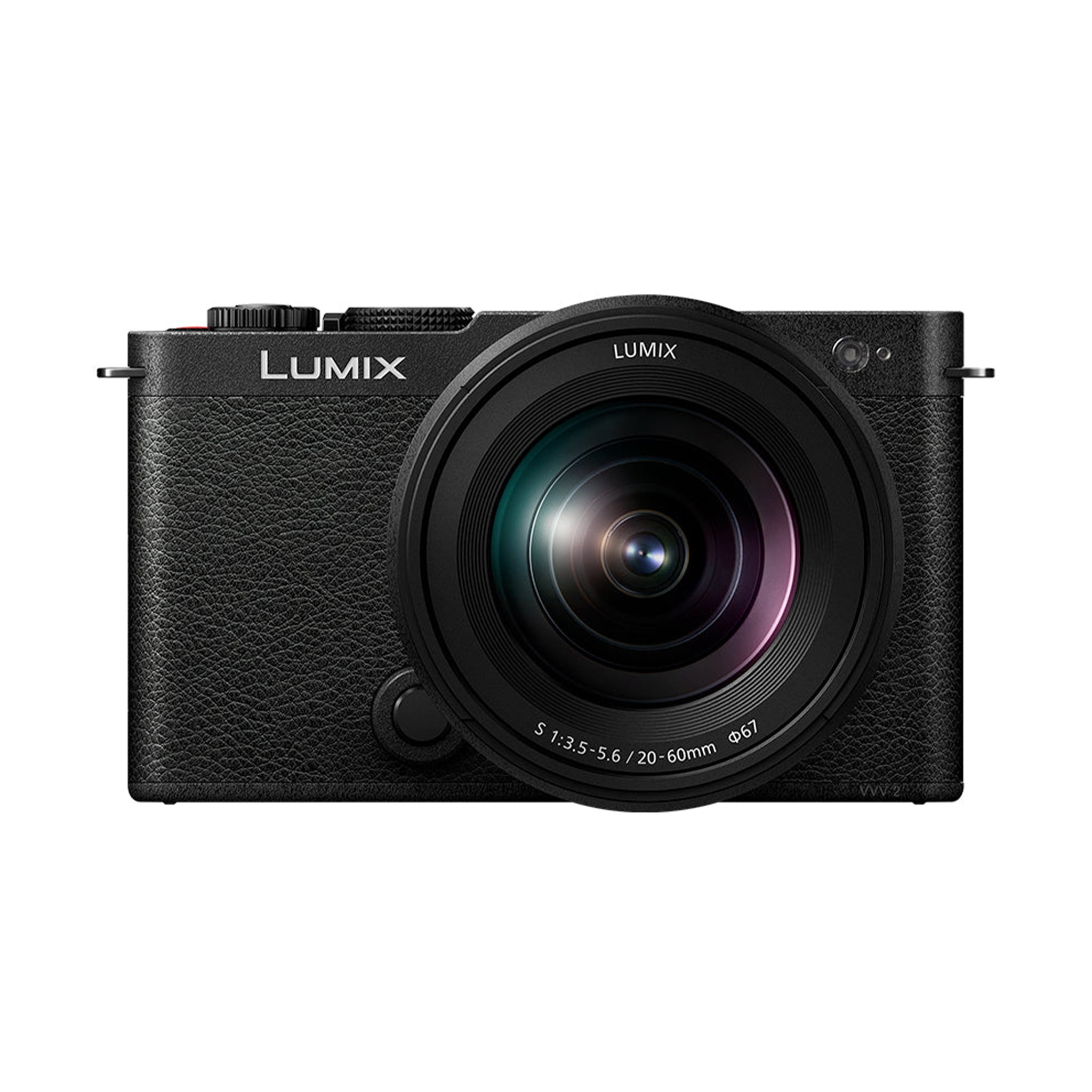
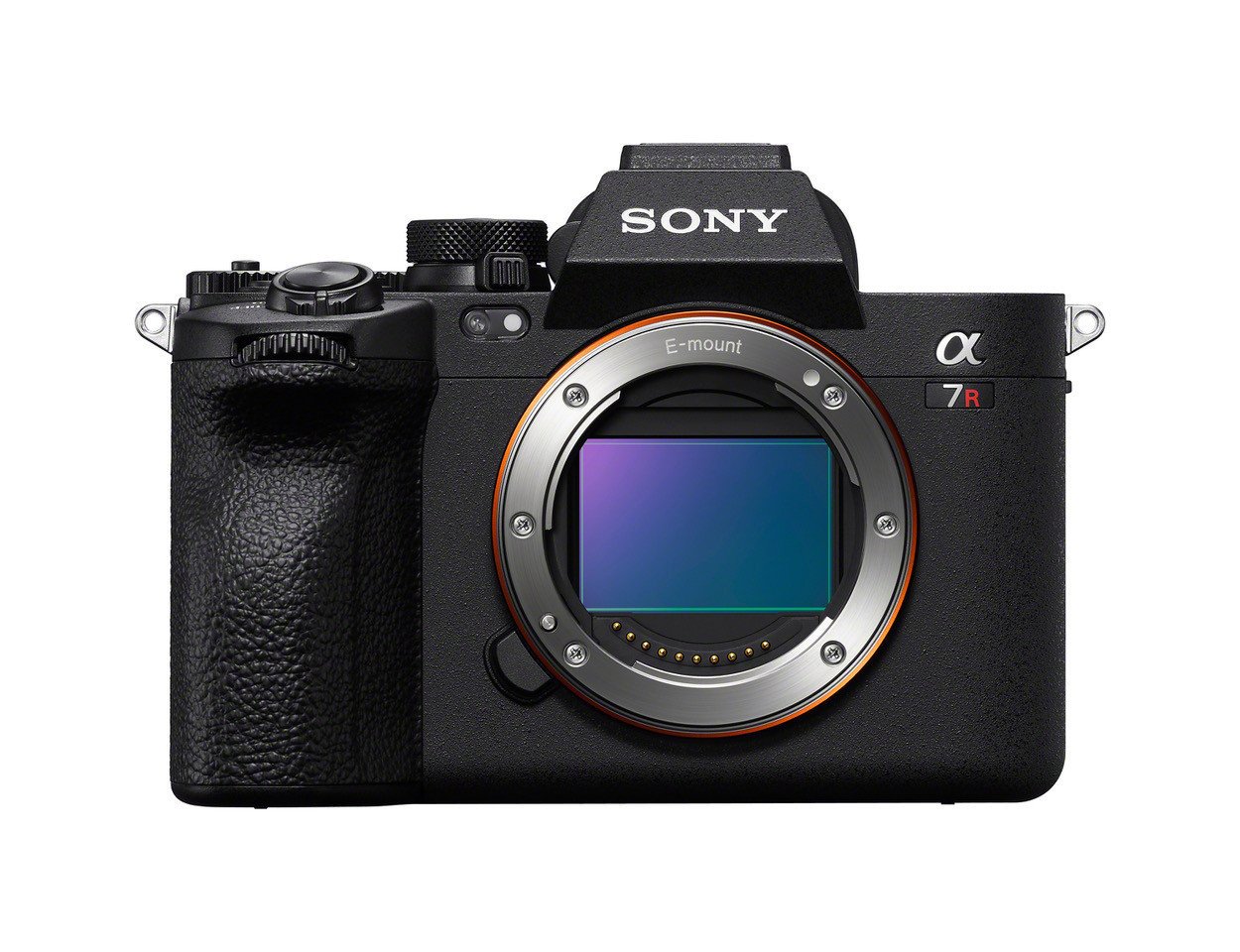
The Panasonic S9 and the Sony A7R V are both formidable contenders in the full-frame mirrorless camera market, appealing to photographers and videographers who prioritize image quality, advanced features, and dependability. While the Panasonic S9, released in 2024, emphasizes a balanced approach with strong video capabilities and effective image stabilization, the Sony A7R V, a 2022 model, draws attention with its outstanding high-resolution sensor and superior autofocus system. Buyers often find themselves choosing between these two models based on their specific needs, whether it be for high-resolution studio work, dynamic outdoor shoots, or video production needs.
The key differentiators between the two lie in their image resolution, autofocus capabilities, and overall ergonomics. While the A7R V boasts a staggering 60 megapixels, the S9 offers 24 megapixels that cater adequately to most needs, especially for video work. The advanced autofocus system in the A7R V with 693 points provides excellent tracking abilities, making it a favorable choice for action shots. Both cameras possess unique strengths that make them appealing to particular user scenarios, thus making this comparison essential for informed purchasing decisions.
Specifications Comparison
Detailed Comparison
Image Quality
Image quality is a fundamental aspect to consider when choosing between the Panasonic S9 and the Sony A7R V. The A7R V features a 60-megapixel sensor, which offers exceptional detail and enables large-format prints and extensive cropping without loss of clarity. In contrast, the S9's 24-megapixel sensor, while lower in resolution, still delivers impressive image quality suitable for everyday photography and content creation, particularly leveraging its high-end video specifications.
Additionally, the Sony A7R V benefits from a broader ISO range (ISO 100-32000 expandable to 50-102400), which enhances its performance in low-light situations. The extensive dynamic range associated with the A7R V further accentuates its capabilities in various lighting conditions. However, it's worth noting that while the S9 has fewer megapixels, its images are rich in color and sharpness, making it an excellent choice for video-centric workflows where high resolution is less critical.
Overall, the A7R V clearly edges ahead here due to its higher resolution and better low-light performance, making it suitable for a wider range of photography applications.
Autofocus System
Autofocus performance can significantly influence a photographer's experience, especially in fast-paced environments. The Sony A7R V features an advanced autofocus system with 693 phase-detection points, allowing for rapid and precise focus tracking-even in challenging shooting conditions. This capability excels in capturing moving subjects, making it ideal for sports, wildlife, and dynamic event photography.
On the other hand, the Panasonic S9, while equipped with an effective autofocus system, does not match the A7R V's level of sophistication. The S9's autofocus is capable but has fewer points and may not be as responsive in tracking moving objects, which limits its performance in action settings. However, for typical shooting scenarios like portraiture or landscape photography, the S9 still maintains a competent performance but lacks the elite edge provided by the A7R V.
In terms of autofocus, the Sony A7R V stands tall due to its superior focus accuracy and tracking capabilities. This makes it a better option for photographers who rely heavily on autofocus for fast-moving subjects.
Video Capabilities
Video performance is another crucial factor when comparing these two cameras. The Panasonic S9 shines in this department, offering impressive video resolutions of up to 5.9K and multiple 4K options (UHD, DCI) along with 1080p recording. This versatility makes it highly suitable for creators who prioritize high-quality video content. Its 5-axis image stabilization ensures smooth footage even in dynamic shooting scenarios, greatly benefiting vloggers and filmmakers.
The Sony A7R V, although offering a maximum of 4K 60p recording, provides robust video performance with rich colors and exceptional detail. However, its video-centric features are somewhat limited compared to the S9, which has dedicated video functionalities designed for higher resolution outputs. That being said, the A7R V can still deliver professional-quality video, appealing primarily to those who also prioritize still photography.
Overall, the Panasonic S9 takes the lead in video capabilities due to its higher resolutions and effective stabilization features, making it the preferred choice for videographers.
Build & Ergonomics
Build quality and ergonomics play a pivotal role in the user experience, especially for those who spend extended periods shooting. The Sony A7R V features a weather-sealed, ergonomic design that accommodates rigorous outdoor use and enhances grip during prolonged handling. Its slightly bulkier dimensions and greater weight (723 g) provide substantial handling support but might be cumbersome for some users.
Conversely, the Panasonic S9 boasts a more compact design (126x73.9x46.7 mm) and lower weight (486 g) which may appeal to travelers or users seeking a lighter setup. However, its build quality is still robust, though it lacks the advanced weather sealing found in the A7R V.
For photographers focused on the ease of handling, the streamlined design of the S9 may resonate better, yet the ruggedness and control layout of the A7R V offers a more refined experience for those in challenging environments. Ultimately, the choice may depend on user preference between portability and durability.
Battery & Storage
When it comes to battery life, the Sony A7R V impressively boasts a longer battery life, capable of up to 530 shots per charge, which is a significant consideration for photographers engaged in long shoots or those who frequently work in the field. The camera utilizes a robust battery system that can withstand prolonged use.
The Panasonic S9, while competitive, does not include specific battery life data but is typically shorter compared to the A7R V. Additionally, the S9 uses the L-Mount system, allowing users to access a growing array of lenses, while the A7R V utilizes the more established Sony E-mount, providing an extensive selection of lens options for various shooting preferences.
Given the importance of battery longevity in professional settings, the A7R V stands out for users who prioritize shooting endurance without the distraction of frequent battery changes.
Value for Money
Pricing plays a vital role in assessing value for money. The Sony A7R V, priced at approximately $3900, targets professionals seeking premium performance, especially with its high-resolution capabilities and superior autofocus system. Although the investment is substantial, the return in image quality and feature set is notable for dedicated photographers or videographers.
Meanwhile, the Panasonic S9, being a newer model with multiple video features, offers an affordable alternative for creators focusing on video with a retail price likely below the A7R V. Given its specific benefits in video functionality and compact size, the S9 may resonate better with budget-conscious buyers who do not require ultra-high resolution or extensive autofocus capabilities.
In this comparison, the overall value perspective is subjective; while the A7R V delivers high-end features justifying its price, the S9 presents a compelling offer for video-oriented users at a better price point.
Our Verdict
In this detailed comparison, the Sony A7R V emerges as the overall winner, primarily due to its superior image resolution and advanced autofocus system, which cater to professional photographers and those engaging in serious creative projects. Though the Panasonic S9 holds its own with exceptional video capabilities and a lighter build, the overall performance of the A7R V provides a broader range of functionalities for both still and video applications. However, the S9 remains an appealing choice for users focused on video production at a more accessible price, making both models suitable for distinctly different target audiences in the market.