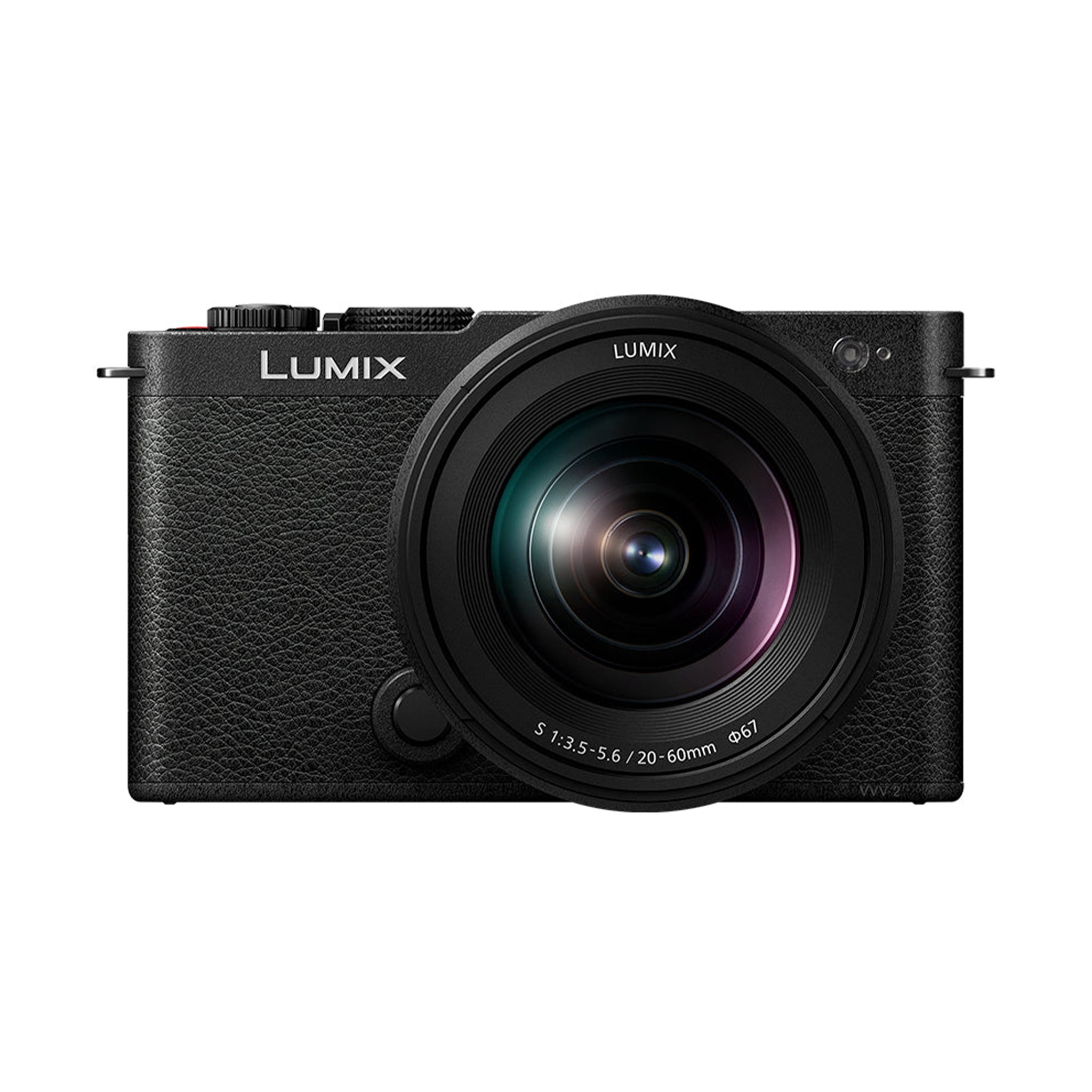
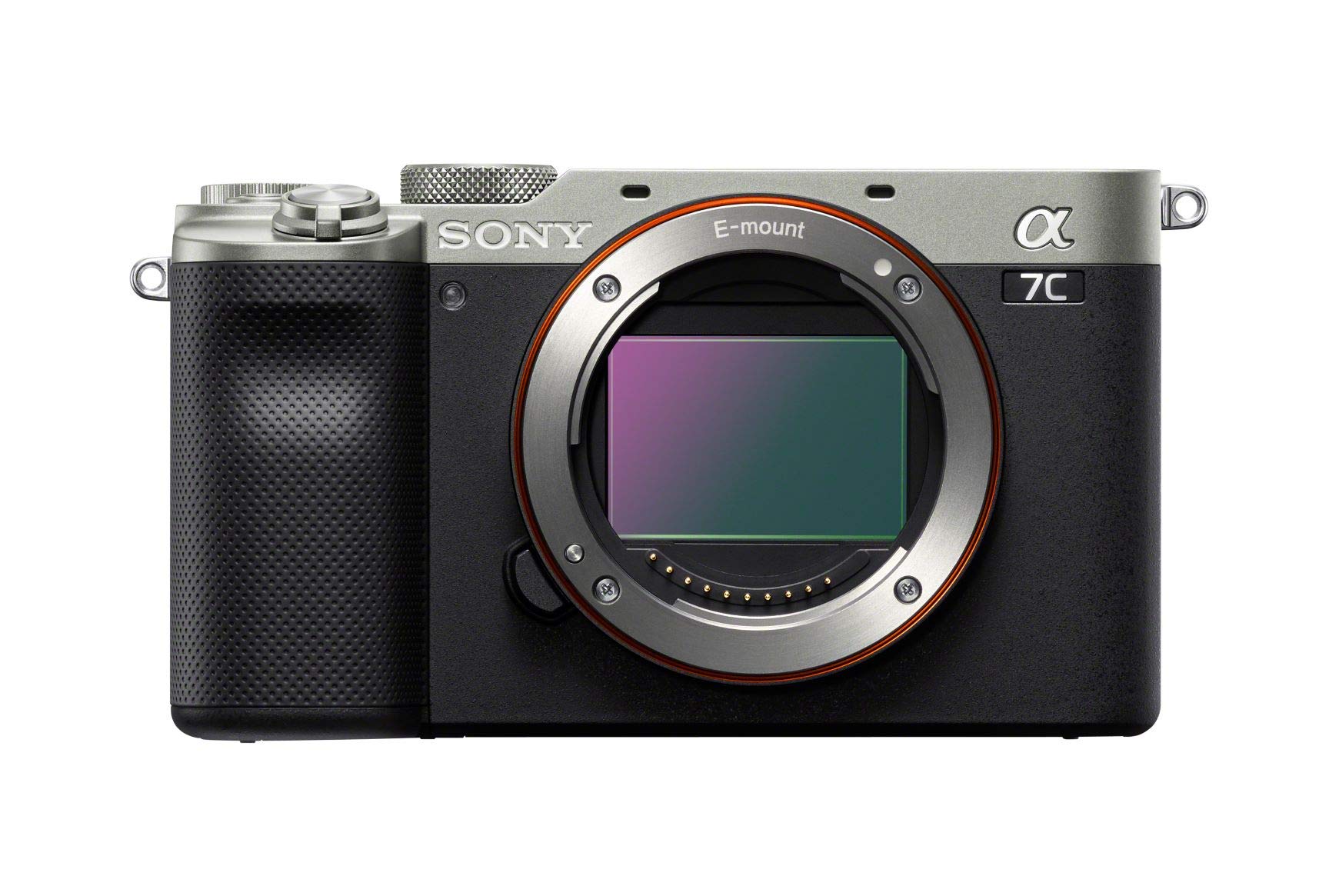
The Panasonic S9 and Sony A7C are two compelling options for photographers seeking a compact full-frame mirrorless camera. Both systems are designed for versatility, appealing to a range of users from amateurs to seasoned professionals. With similarities in sensor size and megapixel counts, they cater to similar markets, but key differentiators such as autofocus performance, video capabilities, and overall build quality play significant roles in choosing the right camera. This comparison will explore these aspects in detail to better inform potential buyers.
Specifications Comparison
Detailed Comparison
Image Quality
Both the Panasonic S9 and Sony A7C are equipped with a 35mm full-frame sensor, delivering excellent image quality with 24 megapixels of resolution. However, the sensor's implementation and processing can lead to different aesthetic outcomes. The Sony A7C benefits from its extensive ISO range that spans from 100 to 51200, expandable up to 204800, allowing for remarkable performance in low-light situations. In contrast, the Panasonic S9 also excels in this area with its latest sensor technology, but real-world tests reveal that the Sony manages slightly better noise control at higher ISO settings, making it ideal for low-light environments. The S9's image processing tends to produce more vibrant colors, which may appeal to users focused on vivid imagery.
Ultimately, users might find the choice depends on their specific needs: if they often shoot in challenging light conditions, the Sony A7C could have the edge, while those drawn to rich color profiles may prefer the Panasonic S9.
Autofocus System
The autofocus capabilities of these two cameras differ significantly, giving the Sony A7C a clear advantage. The A7C features 693 phase-detection autofocus points, which provide a fast and reliable autofocus experience, particularly beneficial for capturing moving subjects. It also includes Real-Time Eye AF technology, which is highly effective for portraits and wildlife photography. Conversely, the Panasonic S9, while equipped with an efficient 5-axis image stabilization system, has a less advanced autofocus system compared to that of the Sony, making it somewhat slower in achieving focus under dynamic conditions. Therefore, while both cameras are capable of achieving sharp focus, the advanced system in the A7C makes it better suited for action shots and unpredictable shooting environments.
Video Capabilities
In the realm of video performance, the Panasonic S9 boasts superior capabilities, offering video resolutions up to 5.9K, alongside UHD 4K and DCI 4K, which makes it suitable for high-end video production and videographers who prioritize resolution. Additionally, the 5-axis image stabilization further enhances video footage by providing smoother results, particularly when shooting handheld. On the other hand, the Sony A7C supports 4K video at 30 frames per second, which, while adequate for most users, does not match the S9's extensive offerings. Furthermore, filmmakers might miss advanced features like V-Log, which is available in the S9, allowing for greater dynamic range and better post-production flexibility. As such, for heavy video users, the Panasonic S9 stands out as the superior option.
Build & Ergonomics
When comparing the physical attributes of the two cameras, the A7C is compact and lightweight at 509 grams, making it highly portable for travel and everyday shooting. It is also weather-sealed, providing extra protection against the elements, which is essential for outdoor photographers. The dimensions of the A7C (124 x 71 x 60 mm) allow for a comfortable grip and accessibility for various live-screen configurations. The Panasonic S9, weighing 486 grams and measuring 126x73.9x46.7 mm, is slightly more compact but does not offer weather sealing, which may be a dealbreaker for some users. Ergonomically, both models provide a good user experience, but the added durability of the A7C can be significant in rugged conditions.
Battery & Storage
Battery life is another important consideration for users. The Sony A7C excels with an impressive battery life rated at approximately 740 shots per charge, significantly more than many competitors. This is a considerable advantage for those engaged in long shooting sessions without immediate access to charging options. In contrast, the Panasonic S9's battery performance is less explicitly mentioned, but it is generally accepted that it offers fewer shots per charge than the A7C. Furthermore, both cameras support SD card storage, but the A7C's ability to accommodate a higher volume of files due to its efficient battery and operational features makes it more suitable for long-day shooting. Therefore, the A7C provides a more reliable experience for heavy utilizers, particularly in extensive sessions.
Value for Money
At a price point of $1799, the Sony A7C offers solid value considering its robust feature set, excellent autofocus performance, and reliability in various shooting conditions, particularly for still photography and moderate video needs. The Panasonic S9, while not priced, packs in a lot more video-capable features, potentially offering greater value for videographers who require extensive recording options like 5.9K resolution.
However, some users may find better overall economic value in the A7C given its relatively lower investment for a full-frame system, coupled with its performance in still photography. Thus, for buyers primarily focused on photography with occasional video use, the A7C presents a more compelling argument. In contrast, those who prioritize high-resolution video and advanced shooting features might justify a higher expenditure for the S9.
Our Verdict
Overall, while both the Panasonic S9 and Sony A7C have their strengths, the A7C takes the lead in versatility and overall value for still photographers, especially those who shoot in various conditions and appreciate robust autofocus performance. The S9 is a strong contender for video enthusiasts looking for high-end recording capabilities and superior image quality. Ultimately, your choice will depend on whether you prioritize video production features or photography performance and portability, where the A7C excels overall.
Panasonic S9
Sony A7C
Also Compare
Frequently Asked Questions
Which camera is better for low-light photography?
The Sony A7C generally performs better in low-light conditions due to its broader ISO range and advanced autofocus capabilities, ensuring fast and accurate focusing even in dim settings.
Is the Panasonic S9 worth the price for a videographer?
Absolutely. The S9 offers 5.9K video capabilities, advanced video settings, and superior image quality that robustly support the requirements of serious videography, making it a worthwhile investment.
Can the A7C handle outdoors and harsh weather?
Yes, the Sony A7C is weather-sealed, providing protection against rain and dust, making it suitable for outdoor use in challenging environments.
Which camera is more user-friendly for beginners?
While both cameras are designed with user-friendly interfaces, the Sony A7C's compact size and intuitive layout might make it slightly easier for beginners to handle and operate effectively.
What lenses are available for each camera?
The Panasonic S9 uses the L-Mount, which has a growing range of lenses from Panasonic, Sigma, and Leica. The Sony A7C utilizes the Sony E-mount, with a vast selection of native lenses available, making it easier for users to find lens options that meet their needs.