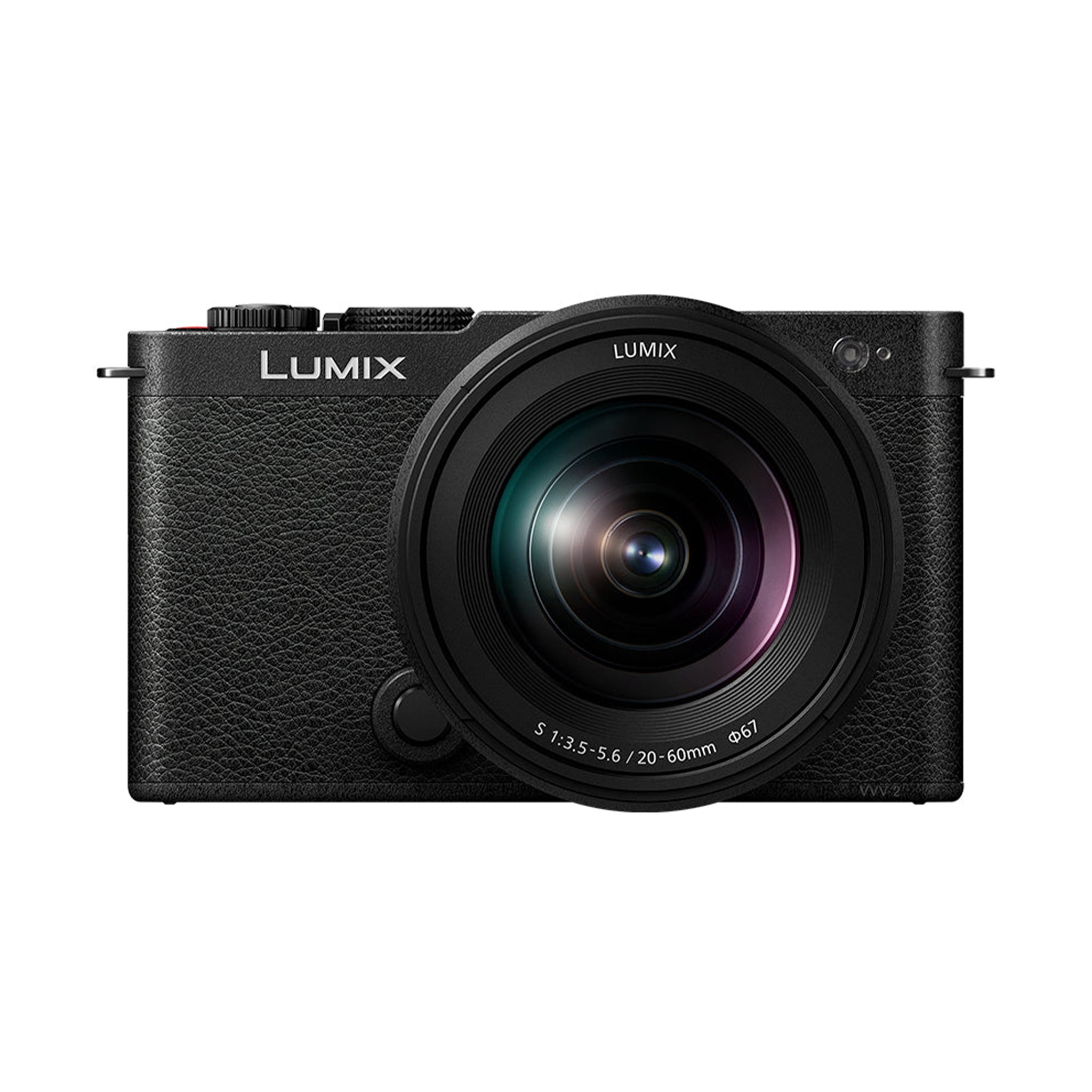
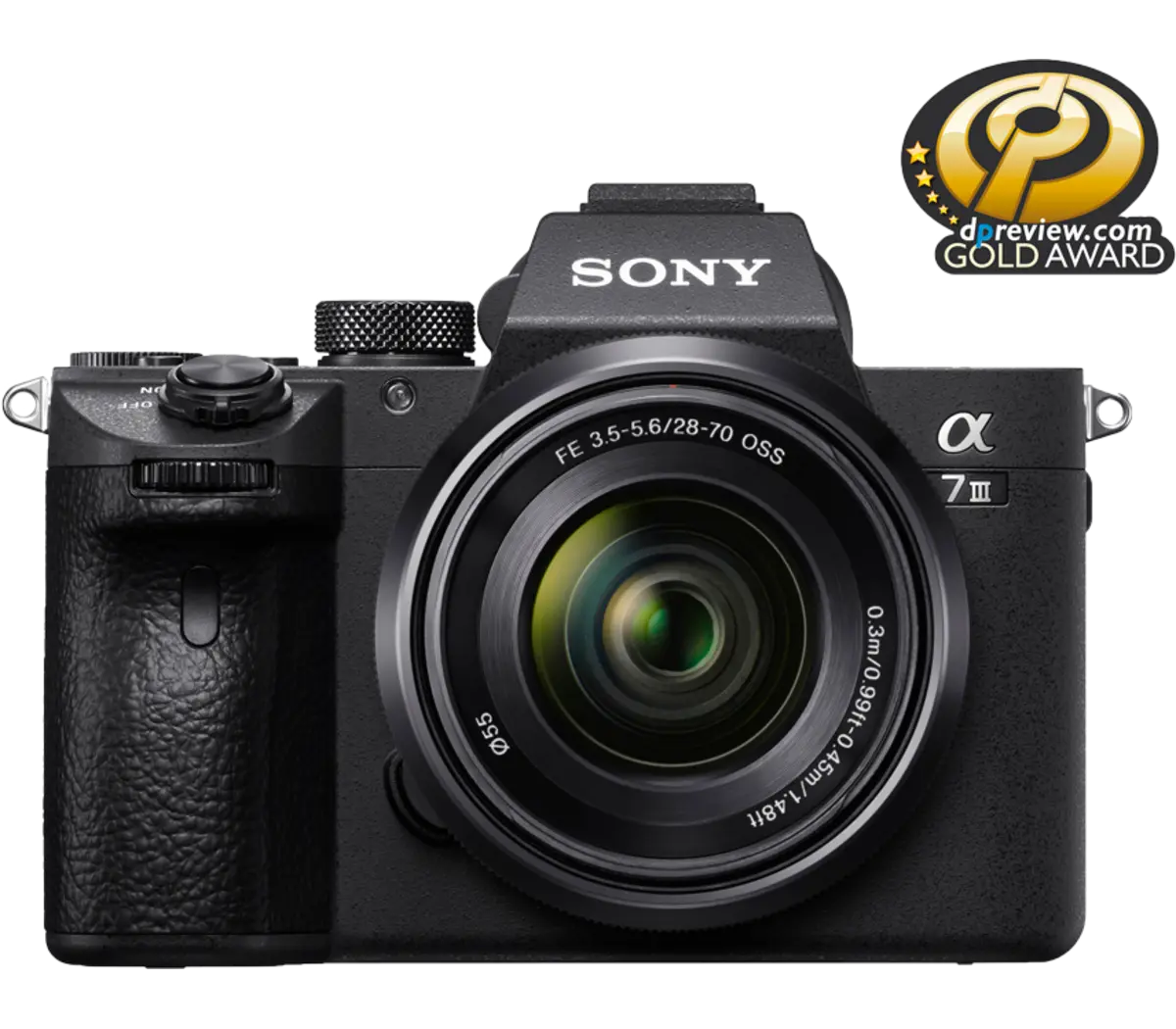
The Panasonic S9 and Sony A7 III are two closely matched full-frame mirrorless cameras targeting enthusiasts and professionals who value both image quality and versatility. Despite their release dates being six years apart, the A7 III's enduring popularity and the S9's fresh updates make them direct competitors for those seeking a well-rounded, modern full-frame camera. Photographers and content creators comparing these two are likely weighing cutting-edge features against proven reliability and value, especially if they're looking to start or expand their system with a new mount.
Key differentiators include the S9's compact design, advanced video capabilities, and newer processor, contrasted with the Sony A7 III's class-leading autofocus, robust battery life, and vast established lens ecosystem. Potential buyers will need to consider how important portability, video features, and future lens options are to their workflow, as well as the maturity and reputation of each camera platform.
Specifications Comparison
Detailed Comparison
Image Quality
Both the Panasonic S9 and Sony A7 III feature 24MP full-frame sensors with nearly identical physical dimensions, promising broad dynamic range and excellent low-light performance. In most real-world applications, both deliver crisp, detailed images suitable for professional work, printing, and heavy post-processing. Color science, however, does differ: Panasonic is known for its natural color renditions right out of camera, while Sony's files are lauded for their malleability in RAW editing.
The Panasonic S9 benefits from the latest sensor and image processing technology, potentially offering slightly cleaner high-ISO files and better noise reduction in JPEGs, though differences will be subtle for most users. Sony's A7 III, while older, uses a back-illuminated sensor design that remains competitive even by today's standards, especially in shadow recovery and highlight retention.
Ultimately, neither camera has a clear technical advantage in base image quality. The deciding factor will often be personal preference for color handling and post-processing demands.
Autofocus System
Autofocus is a major strength of the Sony A7 III, thanks to its 693-point phase-detection AF system. This allows for fast, accurate tracking of moving subjects and reliable Eye-AF, making it highly popular for events, portraits, and even some sports photography. Its autofocus system has been widely praised for its consistency across various conditions.
The Panasonic S9, while improved over earlier Lumix models, typically features contrast-detect (possibly hybrid) AF, which is generally competent for stills and moderate action. However, it does not match the Sony's breadth of AF coverage or its proven tracking abilities, especially in challenging light or fast-moving scenes.
For photographers who depend on swift, precise autofocus-including those shooting action, weddings, or wildlife-the Sony A7 III remains the stronger performer.
Video Capabilities
Panasonic is renowned for its video pedigree, and the S9 raises the bar in this class by supporting up to 5.9K recording in addition to multiple flavors of 4K (UHD, DCI) and 1080p. This gives video shooters greater flexibility for cropping and high-resolution mastery, as well as access to advanced video-centric color profiles such as V-Log (noting future firmware support or licensing, depending on model). Its modern processor also helps minimize rolling shutter and manage heat better in compact bodies.
The Sony A7 III offers solid 4K30p recording oversampled from 6K, delivering detailed footage, S-Log support, and reliable autofocus in video. However, it lacks higher-than-4K resolution recording and has fewer high-end video features by today's standards. Still, its color science and video AF have made it a staple in hybrid video/still workflows.
While both are very capable hybrid cameras, the S9's support for higher resolutions and broader video feature set gives it a decisive edge for videographers seeking more creative or professional options.
Build & Ergonomics
The Panasonic S9's standout trait is its compactness and low weight (486g and 126x73.9x46.7 mm), making it exceptionally portable for a full-frame system. This will especially appeal to travel photographers and vloggers who prize a lightweight setup. However, the smaller size may impact grip comfort for extended use or with large lenses.
The Sony A7 III, at 650g and noticeably larger, feels more substantial and sports an ergonomic grip favored by many for balanced handling-particularly when mounted with heavier lenses. It's also weather-sealed for added protection in challenging environments, giving it the edge for outdoor or professional gig work.
Both cameras feature electronic viewfinders and tilting screens, but Sony's more established body design and better weather sealing favor those shooting in diverse conditions.
Battery & Storage
Battery endurance is an area where the Sony A7 III excels: its NP-FZ100 battery can last up to 710 shots per charge, a benchmark in the full-frame mirrorless segment. Serious shooters will appreciate fewer battery swaps during critical moments, aided by the camera's dual SD card slots (not specified above, but a well-known advantage).
The Panasonic S9's battery life is unspecified but, given its compact size, it is likely shorter, meaning more frequent charging or spares, particularly when recording high-resolution video. Details on storage are not directly available, but previous S-series models typically feature a single SD card slot-an important consideration for pros needing backup or overflow during long shoots.
Overall, the Sony A7 III is the clear choice for users who require all-day shooting stamina and flexible storage options.
Value for Money
At its ongoing price point (around $2000 USD), the Sony A7 III offers mature capabilities, robust build, and expansive lens ecosystem, retaining impressive value. Buyers get reliability, pro-level performance, and future-proofing through a huge secondhand market and third-party support, making it a low-risk investment.
The Panasonic S9, as a newer release, may cost more at launch, but brings leading-edge video formats and ultra-portable design to those prioritizing travel or hybrid filmmaking. As the L-Mount alliance grows, more lens options are emerging, though it still lags behind Sony's vast selection.
For most buyers, Sony offers better proven value, especially for photographers building a versatile system or considering long-term support. However, those who want the latest features or a pocketable full-frame for content creation may justify the S9's premium.
Lens Ecosystem
Sony's E-mount is one of the most extensive mirrorless systems on the market, with a huge array of first- and third-party lenses spanning every conceivable need and budget. This gives users excellent flexibility for specialty photography, accessible prices, and a robust used market.
The Panasonic S9 leverages the L-Mount alliance (Panasonic, Leica, Sigma), which has made significant strides. Still, the lens selection-while broadening-is not as deep or diverse, especially for budget or niche options. The system is improving, but late adopters may find gaps relative to Sony's mature offering.
For users who prioritize access to affordable, compact, and specialty lenses, especially beyond Panasonic's own releases, Sony remains unmatched.
Our Verdict
While the Panasonic S9 impresses with modern video capabilities and a highly compact design, the Sony A7 III maintains a strong lead for most photographers thanks to its robust autofocus, better battery life, superior ergonomics, and unmatched lens ecosystem. The image quality between the two is very closely matched, but the A7 III's proven performance across multiple shooting scenarios, combined with its excellent value on the market, give it a distinct advantage. The S9 will appeal to those who value ultra-portability and advanced video in a hybrid workflow, and is an exciting option for content creators, modern vloggers, or as a lightweight travel camera. However, the A7 III remains the better all-rounder and a safer investment for those seeking a reliable workhorse for stills, event, and general-use photography, as well as for buyers looking to tap into a larger selection of lenses and accessories. Ultimately, if video is your primary focus or you prioritize size, the S9 is compelling, but for most hybrid shooters and photographers, the Sony A7 III remains the superior, more versatile choice.
Panasonic S9
Sony A7 III
Also Compare
Frequently Asked Questions
Which camera is better for travel photography?
The Panasonic S9 is significantly lighter and more compact, making it an excellent choice for travel or street photographers seeking portability. However, if you're shooting in rugged conditions and require weather-sealing, the Sony A7 III offers more durability and battery life, albeit in a larger body.
Which offers better autofocus performance for action or wildlife?
The Sony A7 III easily outperforms the Panasonic S9 in autofocus tracking, subject detection, and Eye-AF thanks to its 693-point system. If you shoot moving subjects regularly-sports, wildlife, or events-Sony is the better option.
Which camera is better for video creators and vloggers?
The Panasonic S9 leads for advanced video features, offering 5.9K resolution, multiple 4K options, and modern color profiles, making it a better pick for demanding videographers or hybrid shooters prioritizing video quality and creative flexibility.
Are there more lens options for Sony or Panasonic?
Sony's E-mount has the broadest lens ecosystem in mirrorless full-frame, with many first- and third-party options to suit every style and budget. The L-Mount system for Panasonic is growing, but currently offers fewer affordable or specialty choices.
Which camera has better battery life?
The Sony A7 III is the clear winner in battery life, rated for up to 710 shots per charge, making it ideal for long shoots or travel. The Panasonic S9's battery is smaller and will require more frequent charging, especially during video work.
Is the Panasonic S9 weather sealed?
No, the Panasonic S9 is not fully weather sealed, while the Sony A7 III offers weather resistance for shooting in more challenging environments.