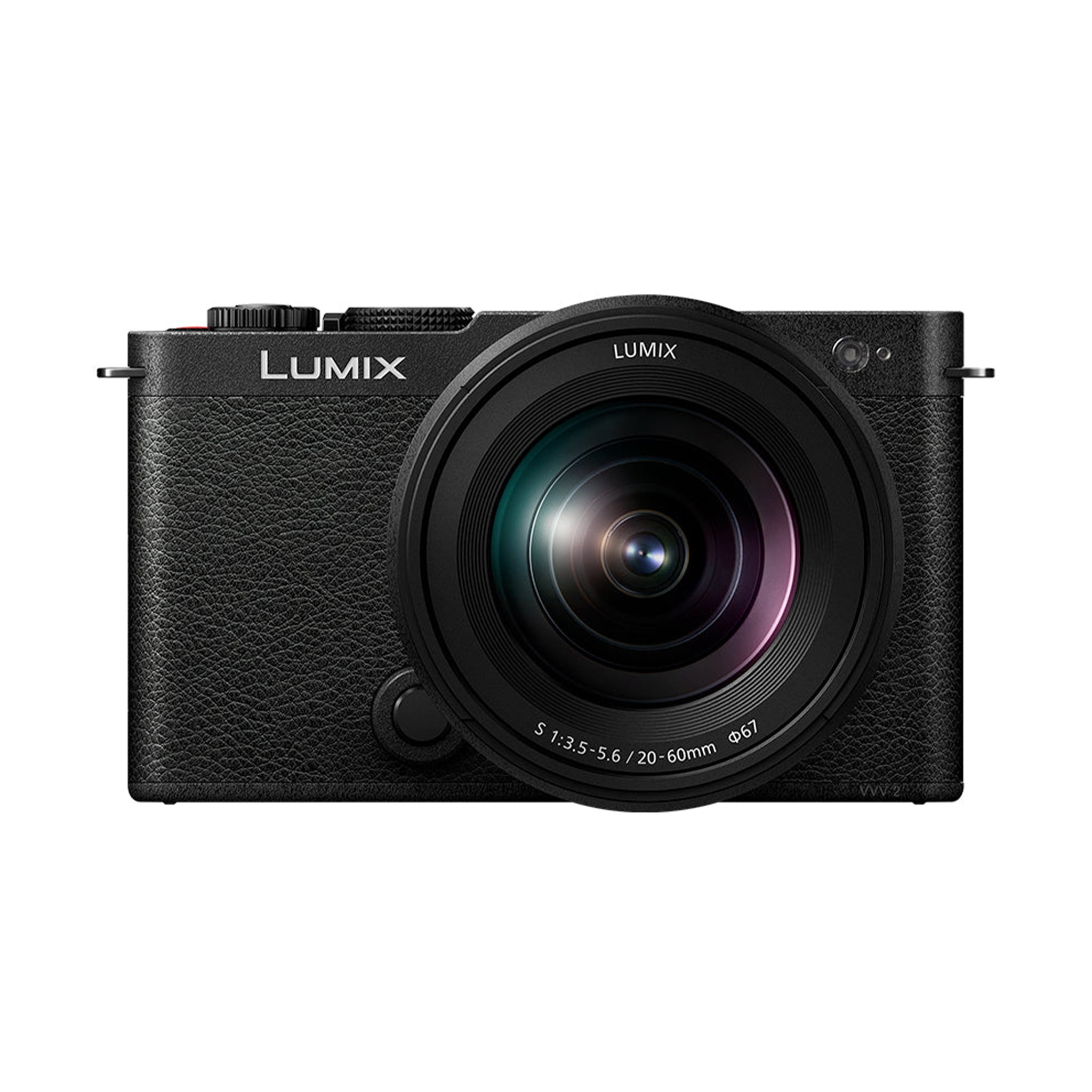
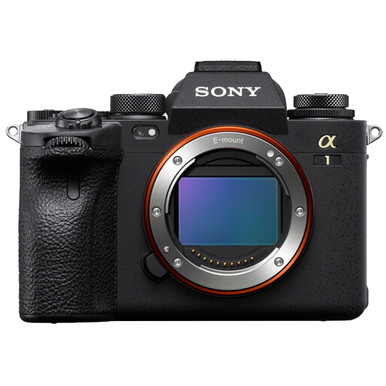
The Panasonic S9 and Sony A1 are two premium full-frame mirrorless cameras that attract serious photographers and videographers alike. Targeting professionals and high-end enthusiasts, both models offer unique features that cater to different user needs. While the S9 emphasizes advanced video capture and a lighter design, the A1 boasts higher megapixel counts and superior autofocus capabilities. This makes the choice between them largely dependent on one's primary shooting preferences and requirements, which leads to a critical examination of their specifications and real-world performances.
Specifications Comparison
Detailed Comparison
Image Quality
The Panasonic S9 features a 24-megapixel full-frame sensor, which is adequate for high-quality imagery and provides a good balance between detail and low-light performance. Its image sensor also utilizes a 5-axis stabilization mechanism, resulting in sharp images without motion blur even in challenging conditions. In contrast, the Sony A1 offers a much more robust 50-megapixel sensor that elevates overall detail and allows for greater cropping flexibility. The A1 excels in high-resolution scenarios, making it ideal for commercial photography and detailed landscape shots. However, it may produce slightly noisier images at higher ISO levels compared to the S9.
Both cameras deliver excellent image quality, but the A1's higher resolution provides substantially more detail for users willing to manage the larger files. Photographers who prioritize depth and detail may lean towards the A1, while those who prefer compact file sizes without sacrificing quality should consider the S9. The difference in performance can be significant depending on the intended use, leading to varying preferences among photographers.
Autofocus System
The Sony A1 boasts an impressive autofocus system with 759 phase detection points, facilitating quick and accurate focusing across a wide range of scenarios, including fast-paced subjects. Its real-time Eye AF capabilities are a standout feature for portrait photographers, providing confidence when tracking moving subjects. On the other hand, the Panasonic S9, while capable, does not match the sheer number of autofocus points or the responsiveness of the A1, which could impact its performance in challenging shooting conditions.
Both cameras offer multiple focus modes and features, but Sony's advanced technology grants it a definitive edge here. The responsive autofocus system of the A1, combined with its ability to maintain focus even in low-light situations, is crucial for professionals who often work under diverse and dynamic circumstances.
Users who prioritize fast and reliable autofocus for sport or wildlife photography would find the A1 to be more beneficial, illustrating a clear division in performance between the two models.
Video Capabilities
When it comes to video, the Panasonic S9 shines with its ability to shoot in resolutions up to 5.9K, alongside UHD and DCI 4K. This versatility makes it an excellent choice for videographers seeking high-resolution outputs and an extensive set of features, including high frame rates for impressive slow-motion shots. The 5-axis stabilization also plays a significant role during video recording, making handheld shooting feel smooth and professional.
In contrast, the Sony A1 offers 4K video recording at 120 frames per second, which is great for high-quality slow-motion footage, but it falls short in terms of resolution compared to the S9. Even though 4K is still a professional standard, users increasingly look for higher resolutions, giving the S9 an advantage in video-centric applications.
However, for those needing professional-grade video capabilities, the S9 has the upper hand here, especially considering the range of resolutions that cater to modern video production requirements. To summarize, the S9 is ideal for users whose primary function is high-quality video recording.
Build & Ergonomics
The physical attributes of these cameras tell a significant story regarding usability. The Panasonic S9 has a more compact design with dimensions of 126x73.9x46.7 mm and a weight of 486 grams, making it easier to hold for extended shooting sessions. Its smaller footprint and lightweight build will appeal to travel photographers or anyone wishing to minimize their gear bag weight. In terms of weather sealing, the S9 does not specify full weatherproofing details like the A1, which is confirmed to be weather-sealed, ensuring reliability in diverse shooting conditions.
On the other hand, the Sony A1 is larger and heavier at 129 x 97 x 81 mm and 737 grams. While this may lead to fatigue over extended use, its robust build quality and weather sealing add an extra layer of durability, which can be a necessity for outdoor photography. The electronic viewfinder in the A1 offers a higher resolution (3″, 1,440,000 dots), providing a clearer preview of the scene, which some users may prefer.
Ultimately, the choice may depend on whether one values portability or a more rugged build in challenging shooting environments. For those prioritizing portability, the S9 has a distinct advantage.
Battery & Storage
In terms of battery life, the Sony A1 is equipped with a battery that provides up to 530 shots per charge, a significant consideration for users engaged in long shooting sessions or events. The longevity in battery life can ease concerns about swapping batteries during critical moments, making it reliable for professionals.
On the other hand, the Panasonic S9 hasn't specified battery life in shots but is generally known to have a performance that is competitive for mirrorless cameras. However, if charging and battery management are fundamental considerations for your work style, the A1's longevity tips the scale in its favor. Additionally, both cameras utilize similar storage mediums that allow for rapid saving of large files, but the A1's dual card slots offer redundancy and flexibility that can be appealing to many users.
For heavy shooters, the A1 will be better equipped to handle demanding sessions without interruptions, demonstrating a clear edge in battery and storage considerations.
Value for Money
When it comes to pricing, the Sony A1 comes with a substantial price tag of $6500, reflecting its advanced features and high build quality. While it offers excellent performance for professional photographers, the price may be prohibitive for hobbyists and those who do not require the highest specifications.
On the other hand, the Panasonic S9 focuses on providing comprehensive features, especially for videographers, without the steep price associated with the A1. Although pricing information for the S9 isn't specified, it is generally aimed at delivering functionality that may appeal more to those looking for versatility in both photography and videography without breaking the bank. This could make the S9 a more attractive option for users prioritizing general usability over top-end specifications.
As a result, if ultimate performance and cutting-edge technology justify the investment, the A1 is worth the price, but for versatility and value, particularly in video work, the S9 stands strong at a potentially lower cost.
Our Verdict
Ultimately, this comparison between the Panasonic S9 and Sony A1 illustrates that each camera has distinct strengths that appeal to different types of users. The S9 excels in portability, video capabilities, and value for videographers, making it a solid choice for those who require versatility in their workflow without compromising on quality. Conversely, the A1's superior image resolution, autofocus system, and enhanced battery life make it a leading option for professionals focused on high-end photography work needing finer details and outstanding low-light performance. Depending on your specific requirements and budget, both cameras have much to offer.
Panasonic S9
Sony A1
Also Compare
Frequently Asked Questions
Which camera is better for video recording?
The Panasonic S9 is better for video recording thanks to its ability to shoot in up to 5.9K resolution, along with robust stabilization features.
How does autofocus performance compare?
The Sony A1 has a more advanced autofocus system with 759 points, making it superior for fast-moving subjects and intricate focusing needs.
What is the advantage of the Sony A1's higher megapixel count?
The 50-megapixel sensor of the A1 allows for greater detail and flexibility in cropping, benefiting users who frequently make large prints.
Which camera is more portable?
The Panasonic S9 is notably more compact and lightweight, making it a more portable choice for travel and outdoor photography.
Are both cameras weather-sealed?
The Sony A1 is confirmed to be weather-sealed, providing extra durability in harsh conditions, while the Panasonic S9 lacks similar detailing.