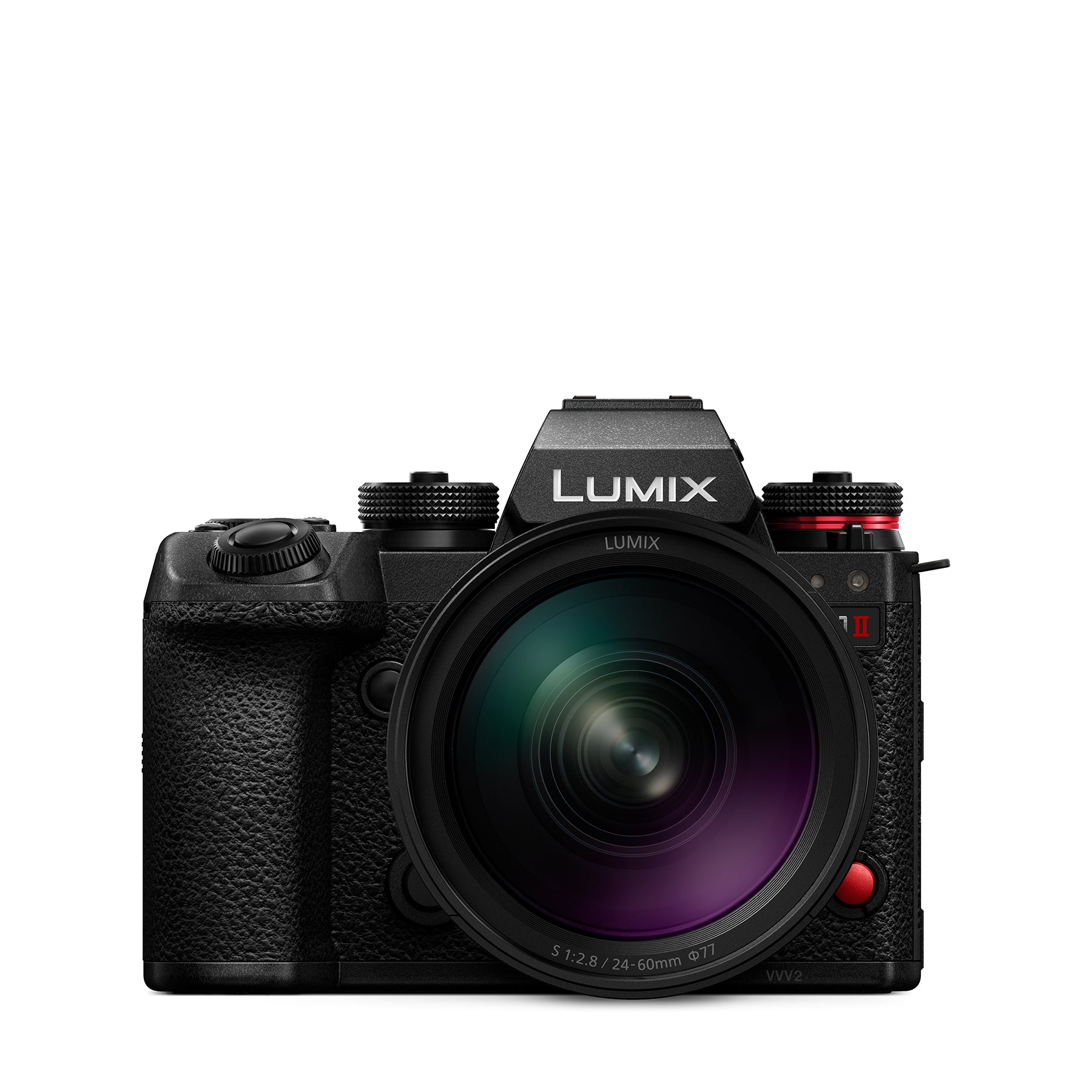
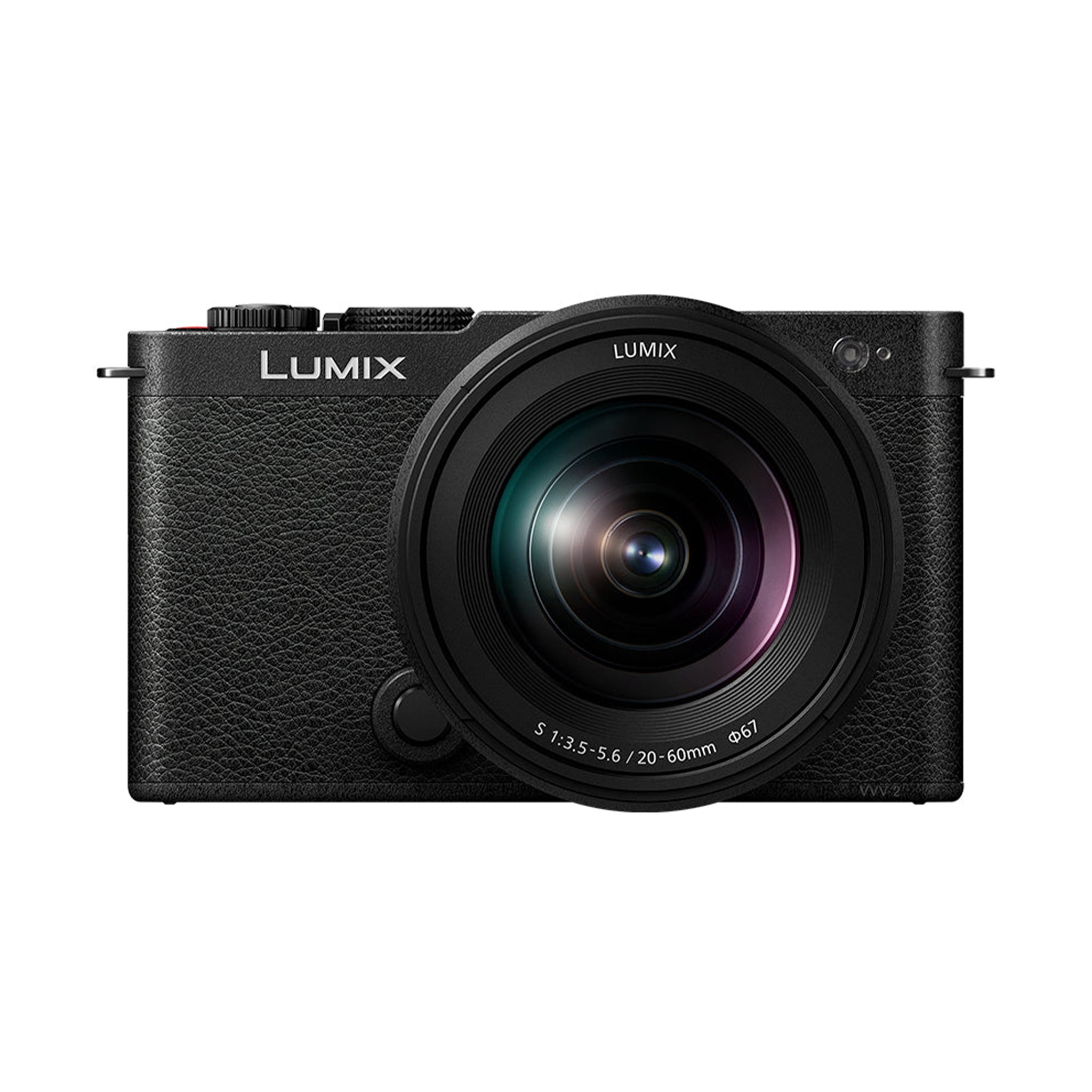
The Panasonic S1 II and the Panasonic S9 are two prominent mirrorless cameras in Panasonic's lineup, catering to both enthusiasts and professionals in photography and videography. As both share similar origins in the S series, it is common for prospective buyers to compare them due to their full-frame sensor capabilities, offering robust performance in various shooting scenarios. The S1 II debuted in 2023, bringing modern enhancements, while the S9, released in 2024, proves to be a strong competitor, particularly with its appealing video capabilities and user-friendly design. Key differentiators such as stabilization, video resolution, and overall form factor play significant roles in deciding which camera might best suit an individual's needs.
Specifications Comparison
Detailed Comparison
Image Quality
Both the Panasonic S1 II and S9 utilize full-frame sensors that produce high-quality images, but there are nuances to their specifications that can impact image quality. The S1 II features a 24.1-megapixel sensor, slightly higher than the S9's 24-megapixel count, which typically results in a minor advantage in detail retention due to increased pixel density. The sensors in both cameras are designed to excel in low-light conditions, however, the S1 II's improved design provides slightly better noise control and dynamic range, making it a more suitable option for those who often shoot in variable lighting. Additionally, both models offer robust color accuracy, yet the subtle differences in their processing algorithms may lead to variations in color rendering, which some users might prefer over the other based on personal experience.
In real-world scenarios, users of the S1 II have noted a more favorable performance in challenging lighting situations, particularly at higher ISO settings, further enhancing its image quality appeal. On the other hand, S9 users have highlighted its image consistency and sharpness, especially in well-lit environments. When assessing raw image files, both cameras deliver impressive results, but the S1 II has the edge in dynamic range and low-light performance thanks to its more modern technology and processing.
Autofocus System
The autofocus systems in both the Panasonic S1 II and S9 are designed to provide reliable and fast focusing in various conditions. However, the S1 II employs a more advanced autofocus mechanism equipped with improved algorithms that enhance subject tracking capabilities, especially while capturing moving subjects. Users report that the S1 II locks focus quickly and adheres to moving subjects with greater accuracy, making it suitable for sports and wildlife photography where precise tracking is essential. The S9, while also delivering competitive autofocus performance with its 5-axis image sensor shift, does not quite match the rapid adaptability of the S1 II's system. Furthermore, the S1 II's additional focus points lend it an edge in intricate compositional scenarios.
Both cameras offer face and eye detection, enhancing portrait photography, but the S1 II's implementation is regarded as more robust in terms of maintaining focus on a subject amid distractions in the frame. In contrast, users of the S9 appreciate its straightforward interface for adjusting focus points, making it user-friendly, especially for beginners. Overall, while both systems are competent, the S1 II stands out with superior autofocus technology that caters to a broader range of shooting styles and conditions.
Video Capabilities
The video performance of both cameras is impressive and caters to content creators looking for high-quality footage. The S1 II offers a maximum video resolution of 5.1K at 60p, which is notable for filmmakers seeking high-resolution output. The enhanced options available, including high frame-rate recording and 10-bit internal recording, extend the creative possibilities for users who wish to produce professional-grade content. This makes the S1 II an ideal choice for videographers who need the flexibility of high-resolution video and advanced features such as V-Log and HDR support.
On the other hand, the S9 boasts an excellent array of video resolutions including 5.9K, UHD 4K, and DCI 4K, providing versatile options to cater to different content types. While it does not reach the maximum frame rates of the S1 II, it still delivers high-quality 4K and provides high production capabilities. However, the S9's slightly lower resolution at 5.9K may be a point of contention for users specifically looking for the latest in video technology. Both cameras are capable of delivering stunning footage, but those focused primarily on video production might find the S1 II's advantages in resolution and frame rates to be a decisive factor in their choice.
Build & Ergonomics
When considering build and ergonomics, both the S1 II and S9 showcase durable construction with weather-sealing that makes them suitable for outdoor conditions. The S1 II is designed for comfort during extended shooting sessions, featuring a slightly bulkier grip that many users find reassuring, especially when handling heavier lenses. Its weight contributes to a solid feel, instilling confidence while shooting in various environments.
In contrast, the S9 is slightly lighter at 486g and has dimensions crafted to be more compact, catering to users seeking portability alongside functionality. This could appeal to street photographers or those who require mobility during long shoots. The S9's build may also lead to less fatigue over extended use, making it a favorable option for many casual shooters.
Both cameras come with intuitive controls and user-friendly layouts; however, the S1 II's ergonomic advantages may appeal more to professional users who spend significant time behind the lens, as it promotes better handling and access to controls than the S9, which streamlines user experience in a lighter form factor.
Battery & Storage
Battery life is an essential aspect for photographers, especially during lengthy shoots. The Panasonic S1 II is equipped with a robust battery system that allows for extended shooting times without frequent recharges, which is beneficial for event or landscape photographers who may not have easy access to charging facilities. The battery performance has been reviewed favorably, often lasting significantly longer than comparable models in the same range.
The S9 showcases decent battery life as well but does not quite reach the levels seen in the S1 II. Users will find that while it offers a considerable duration, those planning extensive shooting sessions might have to keep a spare battery on hand. When it comes to storage, both models support similar formats, allowing for flexibility in memory card choices. However, the S1 II's support for higher write speeds taken from its recent technology allows users to take full advantage of rapid high-resolution shooting in both photo and video scenarios, particularly during professional work where every second counts.
Value for Money
Evaluating value for money between the Panasonic S1 II and S9 largely depends on the intended use case. The S1 II, with its established reputation as a professional-level camera, offers users advanced features that can justify its higher price point. Its superior image quality, enhanced autofocus capabilities, and detailed video recording options position it as a leading choice for serious enthusiasts and professionals who prioritize top-tier performance in both photography and cinematography.
Conversely, the Panasonic S9 presents itself as a more budget-friendly option without sacrificing too much in terms of features. It serves as an enticing option for amateur photographers transitioning into semi-professional work or those who prioritize portability. The S9's slightly lower resolution and video capabilities do not diminish its quality, making it a competitive choice in its class.
When weighing both options, individuals must consider their budget against the demands of their photographic needs. For users seeking cutting-edge technology, the S1 II offers unparalleled value. Alternatively, the S9 appeals to those looking for quality and functionality at a more accessible price.
Our Verdict
Overall, the Panasonic S1 II emerges as the winner in this comparison, primarily due to its superior image quality, advanced autofocus system, and enhanced video capabilities. While the S9 excels in value and portability, making it a great choice for casual or aspiring photographers, the S1 II is better suited for professionals and serious enthusiasts seeking the latest innovations in full-frame photography and high-quality video production. In scenarios where top performance and extended shooting capabilities are necessary, the decision leans favorably towards the S1 II, while the S9 remains a competent option for users valuing convenience and affordability.
Panasonic S1 II
Panasonic S9
Also Compare
Frequently Asked Questions
Which camera has better low-light performance?
The Panasonic S1 II features enhanced noise control and dynamic range, making it a better choice for low-light photography compared to the S9.
Is the autofocus system better in one model?
Yes, the autofocus system in the Panasonic S1 II is more advanced, offering superior subject tracking and quick locking compared to the S9.
How do the video capabilities compare?
The Panasonic S1 II provides 5.1K recording at 60p, while the S9 offers resolutions up to 5.9K but with a different focus on frame rates and detail, making S1 II more suitable for high-end videography.
Which camera is more portable?
The Panasonic S9 is lighter and more compact, making it easier to carry around, which can be advantageous for street and travel photographers.
What should I consider for battery life?
The Panasonic S1 II has a stronger battery performance, which is better for lengthy shoots. The S9, while decent, may require an extra battery for extended use.