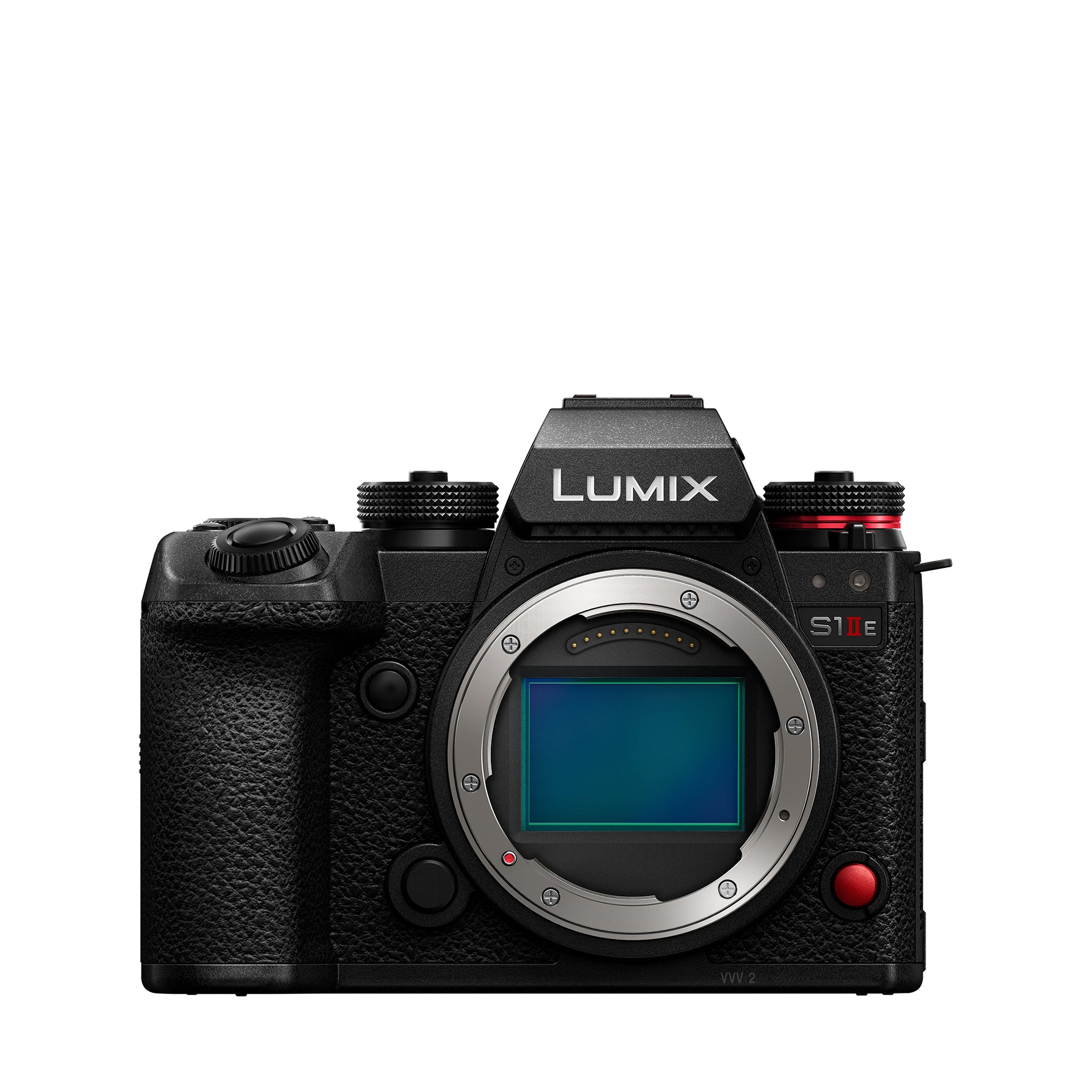

The Panasonic S1 II E and Sony A9 II are two powerful full-frame mirrorless cameras that cater to different types of photographers but often end up in the same consideration set due to their image quality and performance. Both cameras are solid choices for professionals and enthusiasts alike, with strengths in fast shooting, robust video capabilities, and durable builds. Buyers often choose between these models depending on their specific needs, such as sports photography, video production, or general-purpose photography.
The primary differentiators between the two include video performance, shooting speed, and overall system ergonomics. While the A9 II excels with its impressive autofocus system and robust low-light capabilities, the S1 II E offers superior video specifications and frame rates, appealing to videographers. Additionally, the S1 II E has received value accolades with its lower price point compared to the A9 II. This comparison aims to highlight the strengths and weaknesses of each model, allowing potential buyers to make informed decisions based on their shooting styles.
Specifications Comparison
Detailed Comparison
Image Quality
Both the Panasonic S1 II E and Sony A9 II offer excellent image quality thanks to their full-frame sensors, with resolutions of 24.1 megapixels and 24 megapixels respectively. The S1 II E's sensor size provides a slight edge in terms of dynamic range and color reproduction. Photographers looking to capture stunning landscapes or detailed portraits will appreciate the performance of both models in various lighting conditions. However, the S1 II E's latest sensor technology can deliver slightly improved noise reduction, especially at higher ISO settings, compared to the A9 II.
On the other hand, the A9 II features an ISO range that extends up to 204800, which can be a critical factor for sports or event photographers who often find themselves in low-light situations. This extended range can enable the A9 II to perform brilliantly in dim environments, maintaining detail while reducing noise.
In practical terms, users would find the color accuracy and dynamic range very close, with minor differences that may come down to personal preference or specific use cases. Therefore, both cameras provide top-tier image quality but lean towards different shooting scenarios.
Autofocus System
The autofocus system of a camera is critical for fast-paced photography, and in this category, the Sony A9 II shines brightly. It holds a staggering 693 autofocus points, providing almost coverage across the frame, perfect for tracking fast-moving subjects. This is particularly beneficial for sports and wildlife photographers who need precise focus and quick adaptability. The A9 II also features Real-time Eye AF, making it easier to focus on subjects' eyes in portrait photography.
Conversely, the Panasonic S1 II E, while equipped with a competent autofocus system, includes fewer autofocus points and is generally not as responsive in tracking moving subjects. However, it boasts a sophisticated DFD (Depth From Defocus) technology that ensures fast focusing in static situations and good performance in lower-scene contrast.
In summary, while both cameras offer solid autofocus systems, the A9 II indeed brings superior technology for high-speed photography, making it the clear winner in this aspect.
Video Capabilities
When it comes to video performance, the Panasonic S1 II E stands out with its exceptional video recording specs. It supports 5.9K recording at 60 fps and offers multiple resolutions, including 4K up to 120 fps, making it a powerhouse for video production. This variety allows for a high degree of creativity and adaptability in post-production and slow-motion footage.
In contrast, the Sony A9 II is more limited in its video capabilities, offering 4K at 30 fps. While it provides solid video quality and is capable of recording in 10-bit 4:2:0, it lacks the flexibility and frame rates that meet the demands of professional videographers and filmmakers looking for high-resolution options.
This aspect heavily tilts in favor of the S1 II E for those whose primary focus is video. The Panasonic model's superior video specs truly shine, allowing greater options and quality in video capture.
Build & Ergonomics
Build quality is almost a tie between the Panasonic S1 II E and the Sony A9 II, both boasting ruggedness and weather sealing that appeal to photographers who work in challenging conditions. The S1 II E has a slightly larger form factor and generally feels sturdy, enhanced by its larger grip, which may provide more comfort during extended shooting sessions.
On the other hand, the smaller, lighter design of the A9 II makes it a preferable choice for those who prioritize portability. Despite being made from more plastic materials, its build still feels professional and rugged. The ergonomics of both cameras are optimized for ease of use, with well-placed buttons, customizable controls, and solid viewfinder performance on both ends.
Ultimately, while the S1 II E excels in comfort during prolonged use, the A9 II offers a lightweight advantage, making it a compelling option for on-the-go photographers.
Battery & Storage
Battery life is an essential consideration for photographers, and the Sony A9 II excels in this metric, boasting a battery capacity of approximately 690 shots per charge. This is particularly useful for event and sports photographers who may not have the chance to change batteries frequently during critical moments.
In contrast, the Panasonic S1 II E provides a respectable battery life but does not match the A9 II, making it essential to carry spare batteries on long shoots. Moreover, both cameras utilize dual card slots (SD/CFexpress for the S1 II E and SD for the A9 II) which are beneficial for ensuring data redundancy and handling large files, particularly useful in high-speed shooting scenarios.
Therefore, on battery performance alone, the A9 II takes the lead, delivering reliability for extended operations in diverse shooting environments.
Value for Money
The price point provides another area of difference, with the Panasonic S1 II E priced more competitively than the Sony A9 II, which retails at around $4500. This lower price for the S1 II E translates to a better overall value, especially for those focused on video capabilities without requiring an exceptional autofocus system.
In terms of features, customers may find the investment in the A9 II justified if high-speed continuous shooting and top-notch autofocus are priorities. However, for photographers who require solid image quality and superior video specs without breaking the bank, the S1 II E offers robust performance at a lower price point.
Given these considerations, price sensitivity plays an important role in choosing between these two cameras, with the S1 II E providing better value for those depending more on versatility in video and standard shooting.
Our Verdict
In conclusion, both the Panasonic S1 II E and Sony A9 II cater excellently to specific types of photography needs. The Panasonic S1 II E excels in video capabilities, ergonomics, and overall value for photographers who desire versatility. Meanwhile, the Sony A9 II stands out with its superior autofocus system and battery performance, making it the preferred choice for action and event photographers. Those needing high-quality video features may lean towards the S1 II E, while sports photographers with a focus on speed and tracking will find the A9 II hard to resist. Overall, each camera has its unique strengths that render them highly competitive in today's market.
Panasonic S1 II E
Sony A9 II
Also Compare
Frequently Asked Questions
Which camera is better for sports photography?
The Sony A9 II is better for sports photography due to its superior autofocus system and faster continuous shooting speed, which excels in capturing fast-moving subjects.
Is the Panasonic S1 II E good for video work?
Yes, the Panasonic S1 II E is an excellent choice for video work, offering impressive resolution options, frame rates, and overall video specifications compared to the Sony A9 II.
How do the battery lives compare?
The Sony A9 II offers a longer battery life with around 690 shots per charge, while the Panasonic S1 II E provides decent battery performance but falls short in comparison.
What is the price difference between these cameras?
The Panasonic S1 II E is typically more affordable compared to the Sony A9 II, making it a better option for those on a budget seeking top video features.
Which camera has better low-light performance?
While both cameras perform well in low-light conditions, the Sony A9 II's extended ISO range allows it to handle lower light scenarios more effectively than the Panasonic S1 II E.