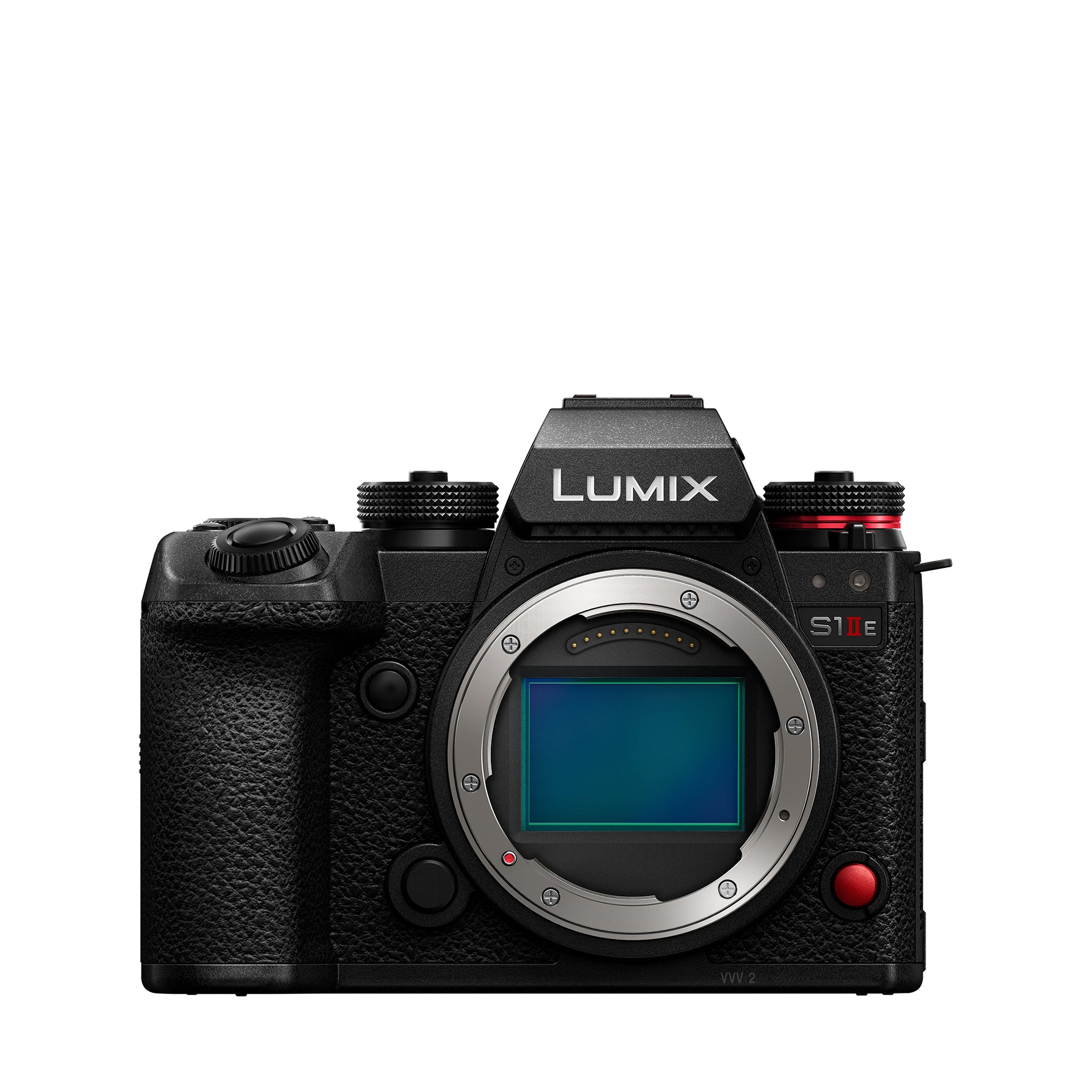
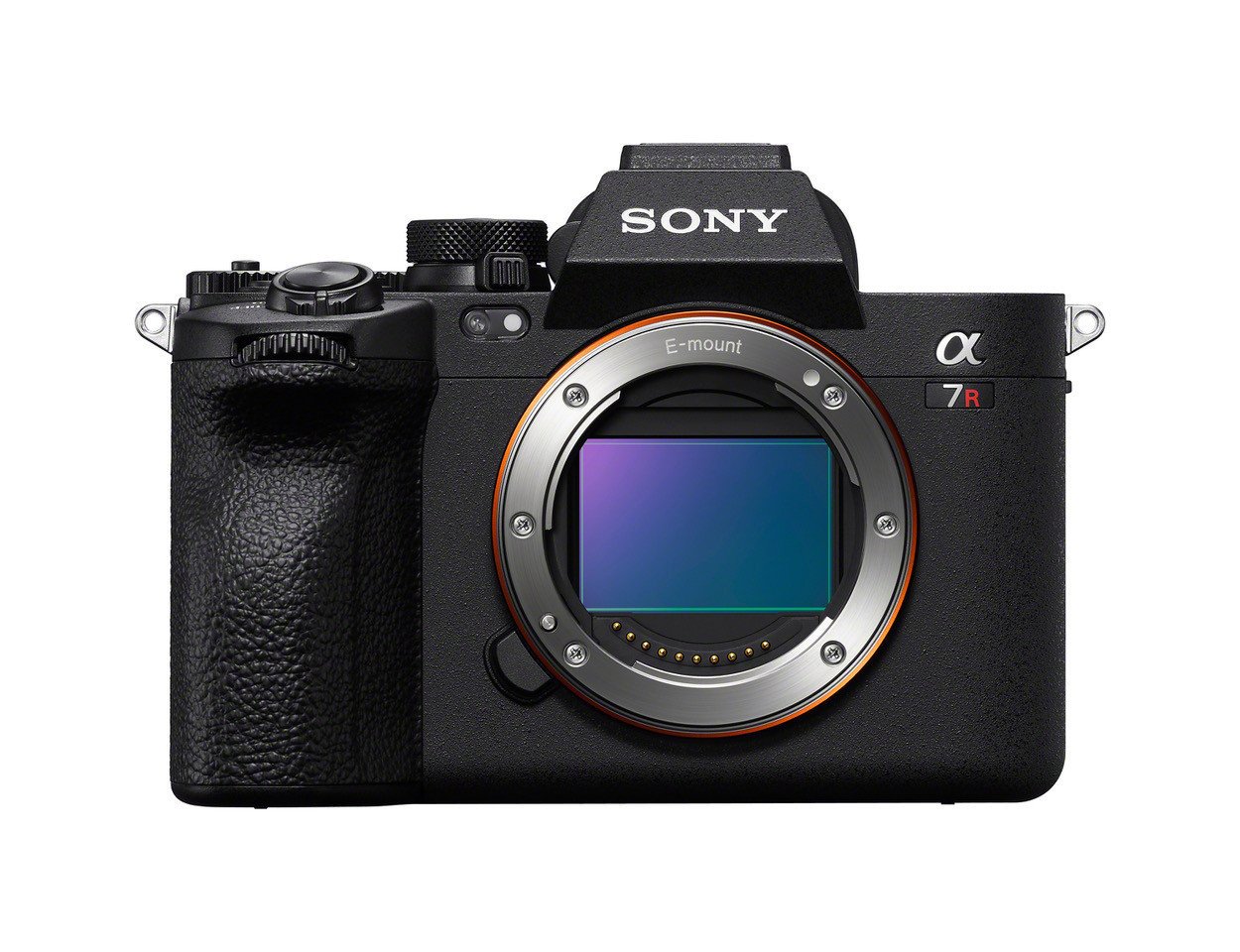
The Panasonic S1 II E and the Sony A7R V are two powerful full-frame mirrorless cameras that appeal to both professionals and enthusiasts, making them popular choices for comparison. Photographers often weigh their options between these two versatile systems due to their differing strengths in areas such as image quality, autofocus capabilities, and video performance. Understanding these distinctions can help potential buyers determine which camera is better suited for their specific needs, whether it's for high-resolution imaging, fast shooting, or advanced video production.
Specifications Comparison
Detailed Comparison
Image Quality
When it comes to image quality, the Sony A7R V holds a significant advantage with its impressive 60 megapixel sensor, enabling magnificent detail and high-resolution captures for landscape photography or large prints. The extended ISO range of 100-32000 (expandable to 50-102400) offers flexibility in various lighting conditions, making it a robust choice for low-light scenarios. In contrast, the Panasonic S1 II E offers a respectable 24.1 megapixels, which is adequate for most applications and provides good performance under various conditions, though it lacks the extreme detail captured by the A7R V. While both cameras utilize full-frame sensors, the high pixel count of the A7R V translates to finer details, particularly beneficial for professional photographers focusing on fine art or commercial photography.
Autofocus System
The autofocus capabilities of the Sony A7R V are particularly noteworthy, featuring an advanced system with 693 phase-detection points that ensure rapid and accurate focusing on subjects, crucial during fast-paced shooting conditions. Additionally, the inclusion of AI-powered real-time tracking enhances its ability to keep moving subjects in focus. The Panasonic S1 II E, while not as robust in this department, still offers satisfactory autofocus performance but lacks the sophistication and speed of the A7R V's system. This difference can be particularly noticeable in dynamic environments such as sports or wildlife photography, where fast and accurate focusing can make or break the shot.
Video Capabilities
On the video front, the Panasonic S1 II E clearly stands out with its advanced video resolutions, offering 5.9K at 60p and a variety of other resolutions like 4K/120 and 1080p/240. These options cater to content creators looking for high frame rates and higher resolutions, making it an appealing choice for filmmakers. Although the Sony A7R V supports excellent 4K video at 60p, it does not reach the same level of resolution and frame rate versatility as the S1 II E. Furthermore, filmmakers might appreciate the S1 II E's capabilities for video-centric applications, making it a better fit for users who prioritize video creation.
Build & Ergonomics
In terms of build quality, both cameras offer weather-sealed bodies, making them reliable in various shooting environments. The Sony A7R V weighs 723 grams and has dimensions of 131 x 97 x 82 mm, providing a slightly compact and lighter option. Its ergonomics are well-balanced, and the electronic viewfinder and 3.2" touchscreen offer a good user experience. The Panasonic S1 II E, while heavier, is designed with a robust feel and offers a comfortable grip, making it suitable for extended shooting sessions. Overall, while both designs have their merits, users may prefer the A7R V for its lighter, portable design alongside its ergonomic traits.
Battery & Storage
When it comes to battery life, the Sony A7R V offers a remarkable endurance of approximately 530 shots, thanks to its power-efficient design. This extended battery life makes it ideal for long shooting sessions without needing to change batteries frequently. The Panasonic S1 II E, however, offers similar capabilities but without specific battery life figures, leading to less clarity in this comparison. For storage, both cameras support CFexpress and SD cards, providing users with flexibility in terms of high-speed data transfer and ample storage capacity. Although both cameras are competent, the A7R V takes the lead in battery life.
Value for Money
The pricing of these two cameras reflects their feature sets and target user bases. The Sony A7R V is priced at approximately $3900, which, given its specifications, represents a strong value proposition for those needing top-tier image quality and performance. The Panasonic S1 II E, while offering exceptional video capabilities, is likely positioned at a lower price range in comparison, appealing more to videographers and those who might not require the same level of resolution. It's crucial for buyers to consider their specific needs and budget when choosing between these two, as the relative value may shift based on individual priorities-whether it's resolution, video capabilities, or overall functionality.
Our Verdict
Both the Panasonic S1 II E and the Sony A7R V excel in different aspects of photography and videography, leading to a tie overall. The A7R V wins out in terms of image quality and autofocus performance, making it a stellar choice for high-resolution photography. In contrast, the S1 II E shines with its exceptional video capabilities and may represent better value in scenarios where video production is the primary focus. Ultimately, buyers should consider their specific needs-whether they prioritize high megapixel count for stills or advanced video functionality-as both cameras offer compelling features tailored to their respective strengths.
Panasonic S1 II E
Sony A7R V
Also Compare
Frequently Asked Questions
Which camera offers better low-light performance?
The Sony A7R V has an extended ISO range (50-102400), making it better suited for low-light photography compared to the S1 II E, which has a more limited ISO performance.
Is the image stabilization better in one camera than the other?
The specifications for image stabilization are not provided for the S1 II E, while the Sony A7R V features 8-stop stabilization, which helps in handheld shooting and can be a game changer in low-light scenarios.
For video recording, which camera should I choose?
If video capabilities are a priority, the Panasonic S1 II E is the better choice, offering resolutions up to 5.9K and higher frame rates compared to the Sony A7R V's 4K at 60p.
Which camera is better for professional photographers?
The choice depends on the specific needs. The Sony A7R V is ideal for photographers needing high-resolution images, while the S1 II E caters well to those focusing on video work.
Are both cameras weather-sealed?
Yes, both the Panasonic S1 II E and the Sony A7R V are weather-sealed, allowing them to perform well in various environmental conditions.