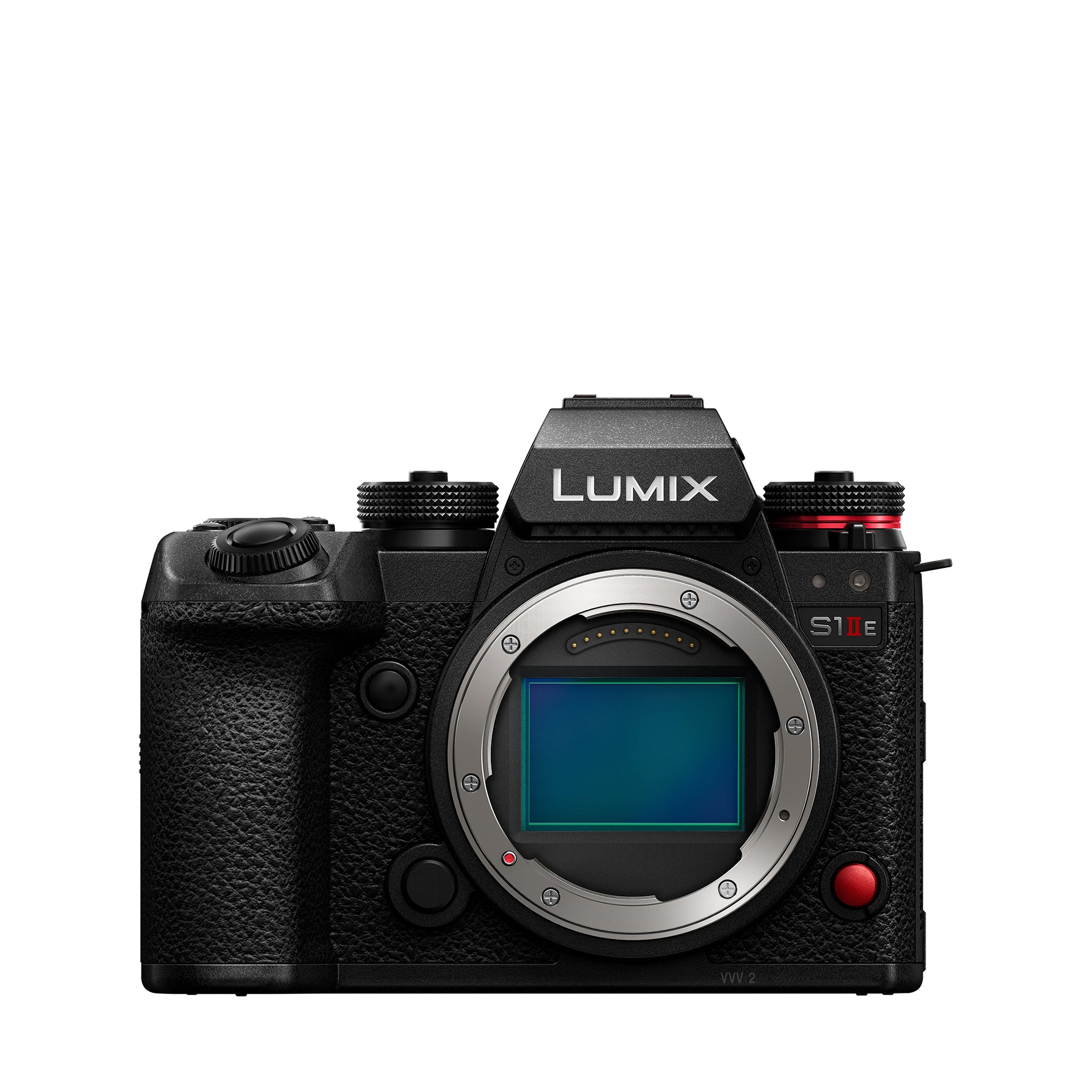
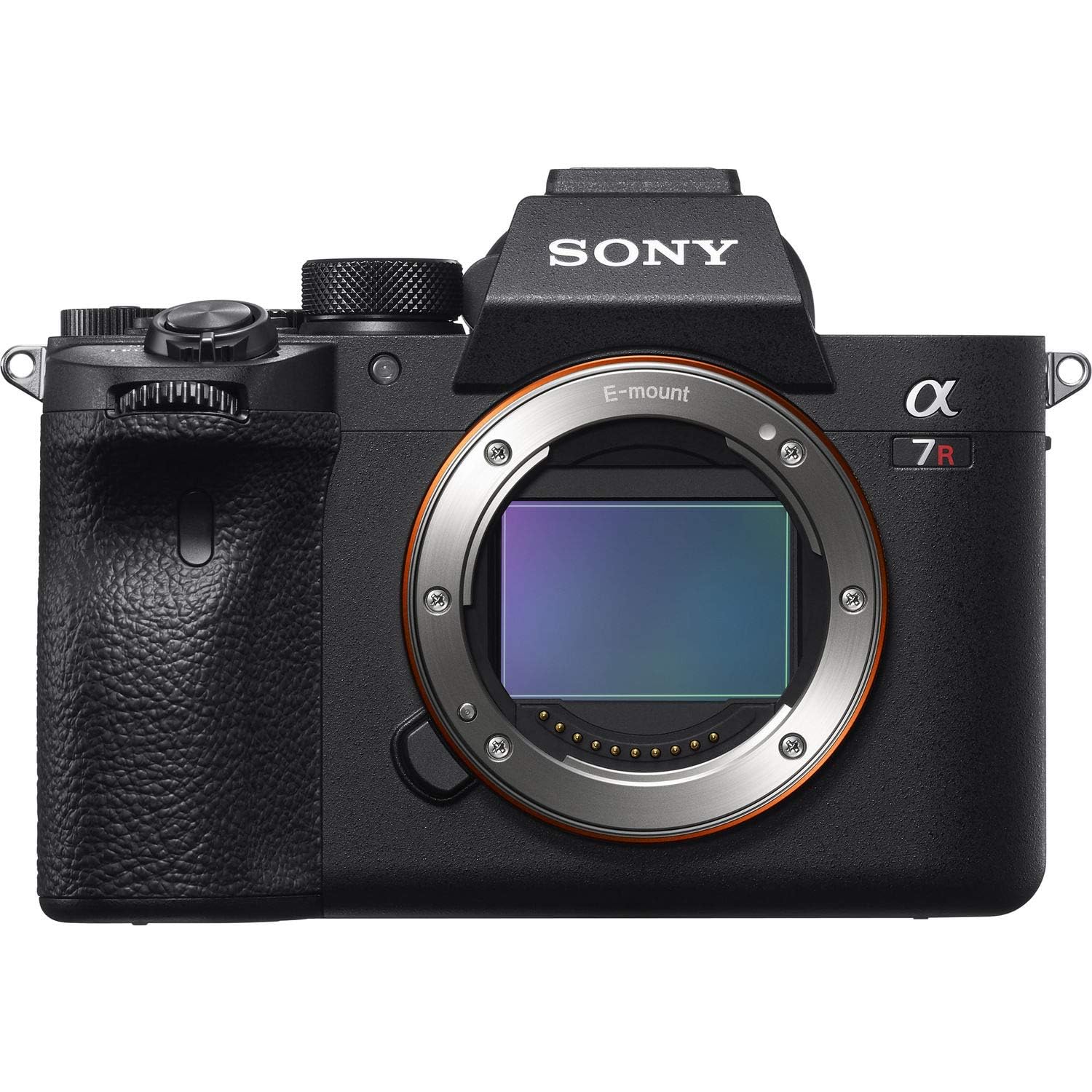
The Panasonic S1 II E and Sony A7R IV are two highly regarded full-frame mirrorless cameras, commonly compared due to their impressive specifications and suitability for different types of photography and videography. Photographers and videographers looking for high-resolution performance, fast frame rates, and robust build quality often find themselves choosing between these models. While they both offer full-frame sensors and robust features, their key differentiators lie in video capabilities, autofocus technology, and ease-of-use in various shooting conditions.
Specifications Comparison
Detailed Comparison
Image Quality
Both the Panasonic S1 II E and the Sony A7R IV provide exceptional image quality, but they cater to slightly different needs. The A7R IV, with its outstanding 61-megapixel sensor, delivers ultra-high-resolution images that make it an excellent choice for landscape photographers and those needing to crop significantly while retaining detail. In comparison, the S1 II E features a 24.1-megapixel sensor, which is sufficient for most applications, but does not quite match the A7R IV in resolution. However, the S1 II E's sensor may excel in producing good noise performance at higher ISOs, particularly in low-light situations, which makes it appealing for event or indoor shooting. While the higher resolution of the A7R IV provides more detail, it may produce larger file sizes, which could present storage challenges for some users. Overall, while both cameras perform excellently, the A7R IV takes the edge with its superior resolution, but the S1 II E is also commendable for practical applications and low-light performance.
Autofocus System
Autofocus is a critical factor for both photographers and videographers alike. The Sony A7R IV features an impressive 567 phase-detection autofocus points, coupled with Real-Time Eye AF technology that tracks subjects with precision, making it suitable for portrait and wildlife photography. This extensive focus point array enables fast and reliable focusing, which is crucial when capturing fast-moving subjects. On the other hand, the Panasonic S1 II E, while advanced in its own right, does not specify the number of autofocus points, relying on a contrast-detection system that might be slower compared to Sony's dual-detection. This could be a disadvantage in action or wildlife photography scenarios. Ultimately, the Sony A7R IV's sophisticated autofocus capabilities outperform the S1 II E, providing users with a quicker and more reliable focusing experience.
Video Capabilities
When it comes to video capabilities, the Panasonic S1 II E takes a decisive lead. It offers outstanding video resolutions of 5.9K at 60 frames per second, along with additional options for 4K/120p and high frame-rate recording up to 240 fps in 1080p. This makes it a versatile choice for videographers seeking high-quality and flexible video options. In contrast, the Sony A7R IV is limited to 4K recording at 30 fps. While it still provides superb video quality, the absence of higher resolutions or frame rates could limit creative options for serious videographers. Overall, for users focused primarily on video projects, the Panasonic S1 II E presents an advantage with its more advanced video specifications.
Build & Ergonomics
When evaluating the build quality, both cameras are robust and ergonomically designed, aimed at serious photographers. The Sony A7R IV has a compact and lightweight design, weighing in at 665 grams, which makes it convenient for long shoots. Its weather-sealed body ensures that it can withstand challenging conditions. The S1 II E is also weather-sealed but tends to be bulkier and heavier, which may impact portability during extended use. That said, its grip is often commended for comfort during extended handheld shooting. The differing designs cater to slightly different preferences; those preferring lightweight gear may lean toward the A7R IV, while those who favor greater ergonomics may prefer the S1 II E. Therefore, the winner depends on personal preference, leading to a tie in this category.
Battery & Storage
When it comes to battery performance, the Sony A7R IV has a respectable battery life of approximately 670 shots per charge. This is quite efficient for extended shooting sessions. Conversely, the battery capacity of the Panasonic S1 II E isn't specified in detail, but the camera is expected to have comparable performance focused on videography. Another aspect to consider is storage; the A7R IV allows for dual card slots, which is beneficial for users who require backup options, while the specific storage capabilities of the S1 II E need more detail. In terms of overall efficiency and flexibility in storage, the A7R IV takes a slight edge based on its proven battery life and dual-card feature.
Value for Money
Pricing is a crucial consideration for many buyers. The Sony A7R IV is priced at around $3500, reflecting its high-resolution sensor and advanced autofocus capabilities. The Panasonic S1 II E's price point is not specified here, but if priced lower, it may present better value for those needing excellent video performance rather than maximum resolution. The A7R IV's higher cost could be justifiable for professionals needing its specific features, whereas the S1 II E could appeal to those prioritizing video capabilities at possibly better pricing. Hence, the potential for more affordable performance in the S1 II E could cater to budget-conscious videographers, giving it an advantage in this regard.
Our Verdict
In summary, while both the Panasonic S1 II E and Sony A7R IV have their strengths, the A7R IV emerges as the overall winner primarily due to its superior image resolution and autofocus performance, making it ideal for photography-focused users. However, the S1 II E excels in video capabilities and presents great value for those whose primary focus is videography. Depending on your shooting needs-be it higher resolution for photography or advanced features for videography-either camera would serve well. Ultimately, your choice will hinge on whether you value resolution and autofocus or prioritize video performance and potentially better value pricing.
Panasonic S1 II E
Sony A7R IV
Also Compare
Frequently Asked Questions
Which camera is better for low-light photography?
The Panasonic S1 II E may perform better in low-light conditions due to its sensor design and potential noise management capabilities, making it a great choice for indoor or evening events compared to the higher megapixel Sony A7R IV.
Is the Sony A7R IV good for wildlife photography?
Yes, the Sony A7R IV is excellent for wildlife photography due to its advanced autofocus system, which includes 567 autofocus points, allowing for sharp tracking of moving subjects.
Can the Panasonic S1 II E record in 4K?
Yes, the Panasonic S1 II E not only records in 4K but also offers options for higher resolutions, including 5.9K, providing significant flexibility for videographers.
How do battery lives compare between the two?
The Sony A7R IV boasts approximately 670 shots per charge, while the Panasonic S1 II E's battery life is approximately on par but not explicitly detailed, leaning towards user experience in power management.
Which camera is better for portrait photography?
The Sony A7R IV is often favored for portrait photography due to its high resolution and sophisticated autofocus system, offering excellent detail and color rendering.